








Don’t let those glossy showroom displays fool you; a shiny control panel and a dozen “smart” settings won’t make a machine last any longer. I’ve spent eighteen years pulling apart machines in Bristol, and more often than not, people get completely distracted by the bells and whistles when they should be looking at the build quality of the drum and the accessibility of the lint trap. Most folks think they need the latest high-tech gadget, but when it comes to learning how to choose a tumble dryer, the most expensive model is rarely the one that actually keeps your clothes dry without burning out a motor in three years.
I’m not here to sell you on energy ratings or fancy touchscreen interfaces that will inevitably glitch out. Instead, I’m going to tell you what I see when I’ve got a screwdriver in my hand and a machine stripped down on my workbench. I’ll show you which components are built to be repaired and which ones are just designed to be thrown in a skip when a single hose gets blocked. You’ll get the straight truth on what actually matters inside the casing so you can buy something that actually works.
Understanding How to Choose a Tumble Dryer
Before you start looking at the fancy digital displays or the touchscreens that’ll eventually fail, you need to decide what kind of machine you’re actually letting into your home. The biggest hurdle is understanding the difference between vented and heat pump dryers. I’ve seen too many people buy a vented model only to realize they haven’t accounted for the dryer installation requirements, like having a proper vent through an external wall. If you don’t have the space or the plumbing for that, you’re going to end up with a damp, mouldy utility room.
If you’re looking at a household with kids and endless loads of towels, don’t get seduced by a slimline model just because it fits a gap. You need to consult a tumble dryer drum capacity guide before you commit; there is nothing more frustrating than a machine that’s technically working but can only handle two pairs of jeans at a time. I’ve pulled apart plenty of undersized machines that were “broken” simply because people were overstuffing them, forcing the motor to work twice as hard just to turn the drum.
Key Things to Know
First off, don’t get blinded by the fancy touchscreen displays or the “smart” features that claim to connect to your phone. Most of the time, those bits of tech are just more things that can go wrong. What you really need to get right is the difference between vented and heat pump dryers. If you’ve got a vented model, you’d better have a plan for where that hot, moist air is going to escape, otherwise you’re looking at damp walls and mould. Heat pumps are much gentler on your electric bill, but they take a bit longer to get the job done.
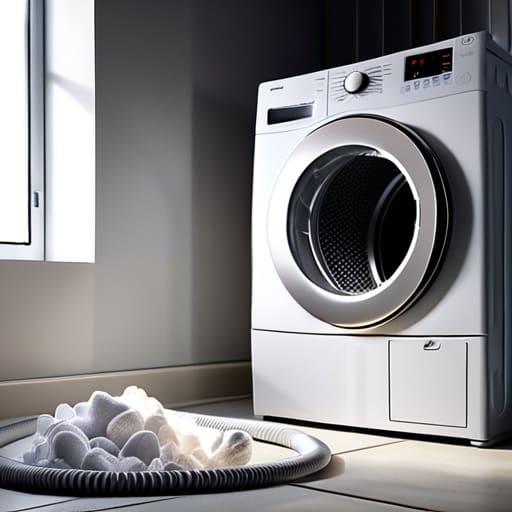
You also need to look at the guts of the machine, not just the shiny exterior. I always tell people to check the build quality of the drum and the ease of access to the lint filter. If a machine is a nightmare to clean, it’s going to die a premature death. I’ve seen too many perfectly good motors burn out simply because someone couldn’t reach the trap to clear out the fluff. Proper maintenance starts with a design that actually lets you do the work.
Practical Tips and Steps
Before you even think about pulling the trigger on a new machine, you need to look at your space. I’ve seen far too many people buy a fancy unit only to realize they’ve ignored the basic dryer installation requirements. If you’re looking at a vented model, you need a clear path for that air to escape, or you’ll end up with a damp cupboard and a mould problem. If you’re tight on space or don’t want to drill holes through your walls, you’ll want to understand the difference between vented and heat pump dryers first. Heat pumps are a bit more complex inside, but they’re much kinder to your electric bill in the long run.
Once you’ve got the right type, don’t get blinded by the fancy touchscreens. Check the drum size; if you’re running three loads a day, you need a decent tumble dryer drum capacity guide to make sure you aren’t just running the machine twice to finish one load. And please, for the love of all things mechanical, remember that regularly cleaning the lint filter is the single best thing you can do to keep it running.
Common Mistakes to Avoid
The biggest blunder I see is people buying based on the sticker price without looking at the long-term cost. I’ve seen too many folks grab a cheap vented model only to realize their electric bill is through the roof. They forget that tumble dryer energy efficiency ratings aren’t just numbers on a page; they represent the difference between a machine that pays for itself and one that drains your bank account every single month. If you’re looking at a budget option, just be prepared to pay for it in heating costs later.
Another mistake is ignoring the physical reality of your home. I’ve had to visit houses where the owner bought a massive unit, only to find out they hadn’t checked the dryer installation requirements for their cramped utility cupboard. They end up with a machine that can’t breathe, which is a death sentence for the motor. Also, don’t go small just to save space if you have a full house. If you’re looking for the best tumble dryer for large families, you need to prioritize drum volume over everything else, or you’ll be running three cycles when one would have done the job.
Final Thoughts
At the end of the day, don’t get too dazzled by the fancy touchscreens or the digital displays that promise to do your thinking for you. I’ve seen too many “smart” machines end up in my scrap pile because a single sensor gave up the ghost. If you want something that actually lasts, focus on the basics: a sturdy drum, accessible filters, and a build that doesn’t feel like it’s made of recycled milk cartons. It’s much better to spend a little more upfront on a machine with a solid reputation than to be calling me in two years because a plastic clip snapped.
Before you tap your card, just make sure you’ve checked the dryer installation requirements for your specific space. There is nothing more frustrating than lugging a heavy unit home only to find the vent doesn’t fit or the plug is in the wrong spot. Also, keep in mind that a bit of regular TLC goes a long way. If you follow a few simple tumble dryer maintenance tips, like cleaning that lint trap every single time, you’ll likely get years more life out of it than the next person.
Five things I look for when I'm staring at a new machine
- Check the lint trap accessibility. If the filter is buried deep inside a narrow slit where you can’t get your fingers in to clear it, don’t buy it; you’ll end up with a fire hazard or a machine that smells like damp socks within six months.
- Look at the drum build, not the display. I don’t care how many touch-screen settings it has if the drum feels flimsy. You want something with weight to it that won’t start rattling like a bag of spanners after a year of heavy loads.
- Decide on your venting setup before you pull the trigger. Vented dryers are cheap and simple, but if you don’t have a clear path to an outside wall, you’re just going to turn your utility room into a sauna.
- Don’t get blinded by “smart” features. Most of the time, a sensor that tells you the clothes are dry is useful, but a machine that needs a Wi-Fi connection just to spin a drum is a machine that’s going to be impossible to fix when the circuit board inevitably gives up.
- Size up your actual laundry, not your dream laundry. A massive dryer is great until you realize it’s too big for your cupboard or it’s so oversized that it can’t actually tumble a small load properly without everything bunching up.
The bottom line
Don’t get blinded by the fancy touchscreens; look for a machine with a sturdy drum and an easy-to-reach filter, because that’s where the real work happens.
Most “broken” dryers are just neglected ones, so if you actually clean the lint trap and the condenser every single week, you’ll save yourself a fortune in repair calls.
Buy for build quality, not for the bells and whistles, because at the end of the day, a dryer is just a metal box that needs to move hot air without falling apart.
A Final Word Before You Buy
At the end of the day, choosing a dryer isn’t about finding the one with the most fancy digital displays or the loudest marketing campaign. It’s about understanding the mechanics of what’s actually happening inside that drum. You need to decide if a condenser or a heat pump model fits your space and your budget, but more importantly, you need to ensure you can actually maintain it. If you can’t easily access the lint filter or if the machine is built in a way that makes cleaning the condenser a nightmare, you’re just inviting a breakdown. Don’t get distracted by the bells and whistles; focus on the build quality and ease of maintenance instead.
I’ve spent eighteen years pulling machines apart in Bristol, and I can tell you that the best appliance isn’t the most expensive one—it’s the one that stays out of the scrap heap. Most people think a machine is “dead” when it stops heating or starts smelling, but half the time, it’s just a bit of neglected lint or a blocked hose. If you buy with an eye for longevity and commit to a bit of regular cleaning, you’ll find that a good dryer can serve you for a decade or more. Treat your machines with a bit of respect, and they’ll take much better care of your clothes.
Frequently Asked Questions
Is it actually worth paying the extra money for a heat pump model, or am I just paying for a fancy label?
Look, if you’re just looking at the sticker price, the heat pump feels like a rip-off. But I’ve spent eighteen years pulling apart machines that have been run into the ground by high energy bills. A heat pump is a different beast entirely—it’s more complex, sure, but it’s far more efficient. If you plan on using that dryer three or four times a week, the savings will pay for the difference. If it’s a once-a-month thing, stick to the cheaper model.
How can I tell if a dryer is built to last or if it's just a plastic box that'll be in a landfill in three years?
You look past the fancy LED screens and start feeling around the guts. If the door hinge feels flimsy and the drum is held in by nothing but thin plastic clips, walk away. I’ve seen too many “modern” machines that are basically just a shell around a motherboard. Look for heavy-duty components, metal drum supports, and accessible filters. If you can’t see a way to clean the lint out easily, it’s destined for the scrap heap.
If I've got a small space, can I really get away with a condenser dryer, or am I going to regret it when the lint builds up?
You can certainly make a condenser work in a tight spot, but don’t expect it to be hands-off. In a vented dryer, the lint goes straight out the pipe, but with a condenser, it stays in that little tank. If you forget to empty it every single cycle, that lint settles in the internal workings and starts killing your efficiency. It’s not a dealbreaker, just a bit more housekeeping to keep it breathing.
