








I was in a kitchen in Redland last Tuesday, staring at a puddle of grey water that had turned a perfectly good floor into a slip-and-slide. The homeowner was ready to call a specialist and drop a few hundred quid on a brand-new washing machine, convinced the pump had finally given up the ghost. But I’ve spent eighteen years pulling these things apart, and I knew better; more often than not, the machine isn’t dead, it’s just been neglected. Before you go throwing money at a replacement, you need to spend five minutes checking appliance hoses for wear instead of assuming the worst.
I’m not here to give you a lecture or sell you some fancy diagnostic kit. I’m just going to tell you what I’ve seen in my van after nearly two decades on the job. I’ll show you exactly what to look for—from those tiny, nasty hairline cracks to the spots where the rubber has gone soft and perished—so you can fix it yourself for the price of a new hose. My goal is simple: I want to help you stop throwing away perfectly good machines just because of a five-pound part.
Understanding Checking Appliance Hoses for Wear
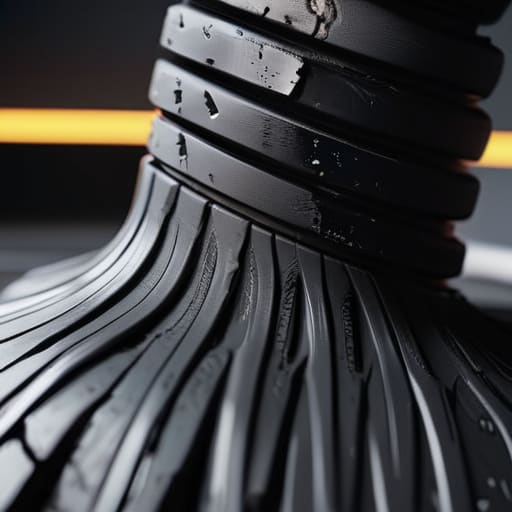
When you’re looking at a hose, you aren’t just looking for a leak; you’re looking for the moment things start to go south. I’ve spent years crawling around the backs of machines, and the first thing I always look for are cracks and bulges in hoses. If the rubber feels stiff or brittle rather than supple, that’s a massive red flag. It means the material is losing its elasticity, and once that happens, it’s only a matter of time before it gives way under pressure.
It isn’t just about the big stuff, either. A quick dishwasher drain hose inspection can save you from a flooded kitchen floor on a Tuesday morning. You want to feel along the length of the line, checking for any spots that feel unusually soft or suspiciously hard. I’ve seen plenty of washing machine water supply lines that looked fine from a distance, but up close, they were showing clear signs of rubber hose degradation. It’s those tiny, hairline splits that eventually turn into a proper disaster.
Key Things to Know
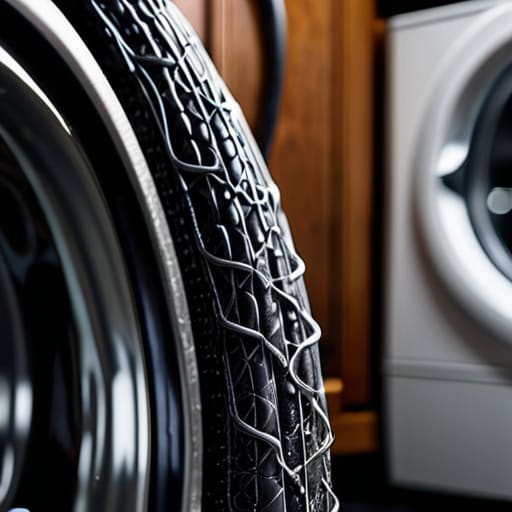
First off, you need to know that rubber isn’t forever. I’ve pulled plenty of machines out of kitchens in Bristol where the only reason the floor was ruined was because a bit of perished rubber finally gave up the ghost. You’re looking for signs of rubber hose degradation, like a surface that feels tacky or sticky to the touch. If it feels like it’s turning into jam, it’s already too late; that hose is brittle and ready to snap.
When I’m doing a dishwasher drain hose inspection, I’m not just looking for leaks; I’m looking for cracks and bulges in hoses. A bulge is a massive red flag—it means the internal structure has failed and the pressure is pushing against a weak spot. It’s a ticking time bomb. Whether it’s your washing machine water supply lines or the drainage bit, if you see any deformation, don’t bother trying to patch it. You should be replacing old appliance hoses before they decide to fail in the middle of the night while you’re asleep.
Practical Tips and Steps
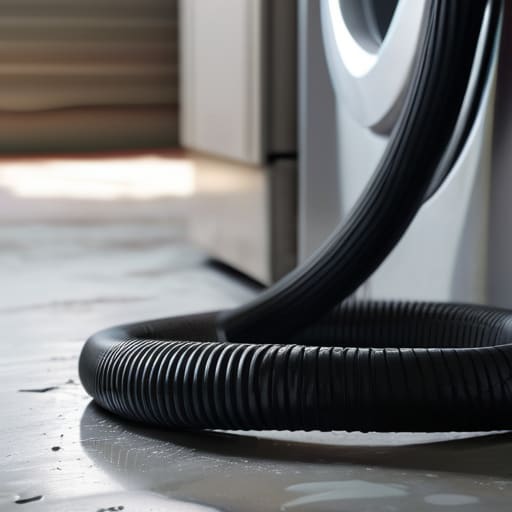
First, pull the machine out. I know, it’s a pain, especially with those heavy washing machines, but you can’t see what’s happening if you’re just squinting from the kitchen floor. Once you’ve got some breathing room, run your hands—slowly—along the length of the lines. You aren’t just looking for leaks; you’re feeling for cracks and bulges in hoses that might not be visible to the eye. If the rubber feels gummy, stiff, or looks like it’s losing its shape, that’s your cue.
When I’m doing a dishwasher drain hose inspection, I always look at the connection points first. That’s where the stress usually sits. If you see any signs of rubber hose degradation, like tiny hairline fractures or a surface that feels brittle, don’t try to patch it with tape. Just replace the whole hose. It’s a cheap part, and it beats the hell out of the alternative. I’ve spent far too many afternoons mopping up floors because someone thought a dodgy hose could last another year.
Common Mistakes to Avoid
The biggest mistake I see is people waiting for a puddle to appear before they even think about their plumbing. Most folks treat their washing machine water supply lines like they’re part of the permanent architecture, but they aren’t. They’re rubber, and rubber has a shelf life. If you’re waiting for a visible leak to act, you’ve already lost the battle. By then, you aren’t just looking at a simple fix; you’re looking at a nightmare of ruined floorboards and mold.
Another blunder is the “squeeze test” being too superficial. I’ve seen people run a hand over a hose, see nothing wrong, and walk away. You have to actually get in there and look for the subtle signs of rubber hose degradation, like a bit of tackiness or a slight softening of the material. Don’t just look for massive cracks and bulges in hoses; look for the small, stiff spots that suggest the internal structure is failing. If a hose feels brittle or looks discoloured, don’t try to patch it with tape. Just replace it. It’s a ten-pound part that saves you a ten-thousand-pound renovation.
Final Thoughts
At the end of the day, it really comes down to not being lazy. I’ve spent eighteen years looking at the aftermath of what happens when people ignore the small things, and it’s almost always a preventable mess. If you take five minutes once a year to look for cracks and bulges in hoses, you’re saving yourself a massive headache and a very expensive plumber. It’s much easier to swap out a bit of rubber than it is to replace a ruined kitchen floor.
Whether you’re doing a quick dishwasher drain hose inspection or just glancing at your washing machine water supply lines, trust your hands. If the rubber feels brittle or looks like it’s cracking, don’t wait for it to actually fail. Replacing old appliance hoses is one of those cheap, simple tasks that people put off until they’re standing in two inches of water. Just keep an eye on them, and you’ll keep your machines—and your house—running much longer than you think.
A few things I’ve learned from eighteen years of looking at the wrong end of a hose
- Give the hose a proper squeeze, don’t just look at it. If it feels spongy or stays indented when you press it, the internal structure is shot and it’s only a matter of time before it splits.
- Watch out for the “crusty” bits. If you see white, chalky residue around the connection points, that’s usually a sign of a slow, weeping leak that’s been happening for months.
- Don’t ignore the bends. If a hose is forced into a sharp angle because the machine is shoved too tight against the wall, that’s where the stress cracks start. Give them some breathing room.
- Check the inside if you can. I’ve seen plenty of vacuum hoses that look fine on the outside but are half-clogged with grit or have tiny pinpricks from something sharp that’s been sucked up.
- Look for the “tackiness.” If the rubber feels sticky or gummy to the touch, the material is actually degrading chemically. That’s not a cleaning job; that’s a replacement job.
The short version
Don’t go buying a new machine just because it’s leaking; nine times out of ten, it’s just a perished hose or a loose clip that needs a few quid’s worth of parts.
Get into the habit of feeling the hoses—if they feel spongy, brittle, or cracked, swap them out before they decide to give up the ghost mid-wash.
Keep an eye on the connections, because a hose that looks fine on the outside might still be pulling away from the machine due to a bit of grit or a loose jubilee clip.
A Bit of Common Sense
At the end of the day, keeping an eye on your hoses isn’t some high-level engineering feat; it’s just about being a bit observant. If you can take a moment to check for those little cracks, feel for any stiffness in the rubber, or ensure the clamps haven’t worked themselves loose, you’ve already done more than most. I can’t tell you how many times I’ve pulled a machine out of a customer’s kitchen only to find that a simple, five-pound hose was the culprit behind a flooded floor. Don’t wait for the water to start pooling under the machine before you decide to have a look. A little bit of preventative checking saves you the headache of a massive cleanup and a much more expensive repair bill down the line.
I’ve spent eighteen years pulling apart everything from vacuum cleaners to washing machines, and if there’s one thing I’ve learned, it’s that we tend to throw things away far too quickly. We live in a world that wants us to just buy a new one the moment something feels slightly off. But there is a real, quiet satisfaction in knowing your gear is well-maintained and actually working as intended. Don’t let a bit of perished rubber dictate when your appliances should die. Take care of the small parts, and they’ll take care of you.
Frequently Asked Questions
If I find a tiny crack in the hose, do I really need to replace the whole thing or can I patch it up?
Look, I’ve seen people try to patch a hose with duct tape or some heavy-duty glue, and it never lasts more than a week. If you’ve found a crack, replace the whole thing. A hose is just a bit of reinforced rubber; it’s not worth the headache of a flooded kitchen because a patch gave way under pressure. Don’t waste your time trying to save a five-pound part. Just swap it out and move on.
How often should I actually be pulling these out from behind the machine to look at them?
Look, I’m not saying you need to move your washing machine every Tuesday, but once a year is a good rule of thumb. If you’ve got a dog that sheds or a house full of kids, maybe give them a squint every six months. Honestly, if you haven’t seen the back of the machine in a year, it’s probably time to pull it out and make sure nothing is getting crusty or brittle.
Is there a way to tell if the hose is wearing out from the inside where I can't see it?
It’s a fair question. You can’t exactly peek inside a rubber tube with your own eyes, can you? Since you can’t see the internal lining, you have to rely on your senses. If you notice a strange, musty smell lingering even after a clean cycle, or if you see black flecks in your laundry, that’s a tell-tale sign the inside is degrading. If it feels soft or “mushy” when you squeeze it, it’s time to swap it.
