







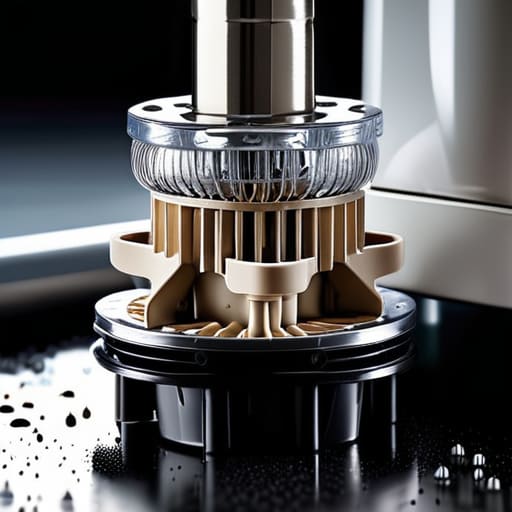

You don’t need a brand-new machine just because there’s a pool of grey, stagnant water sitting at the bottom of your tub. I’ve lost count of how many times I’ve arrived at a job in Bristol only to find a customer ready to scrap a perfectly good appliance because they thought the motor had died. The truth is, most of the time, it isn’t a mechanical failure at all; it’s just a bit of grit or a stray toothpick. Learning how to clear a dishwasher drain pump is usually a matter of ten minutes and a bit of patience, rather than a heavy bill from a service engineer.
In this guide, I’m going to walk you through the process exactly as I do it when I’m out on a call. I won’t be wasting your time with fancy jargon or unnecessary tools; we’re going to get stuck into the real work. I’ll show you how to safely access the pump, what kind of debris you’re actually likely to find, and how to get everything running smoothly again without breaking anything. It’s all about simple maintenance and not letting a five-pound problem turn into a five-hundred-pound headache.
Guide Overview
Tools & Supplies
- Screwdriver (Phillips or Flathead to remove panels/filters)
- Pliers (To loosen hose clamps)
- Flashlight (To inspect the pump area)
- Sponge (To soak up excess water)
- Old towel (To catch spills)
- Bucket (To catch water from hoses)
- Vinegar or cleaning solution (To sanitize after clearing)
Step-by-Step Instructions
- 1. First things first, you need to unplug the machine. I know it sounds obvious, but I’ve seen more people get a nasty shock than I care to count, and there’s no point working on something that’s still live. Once you’re sure the power is off, grab a towel and a shallow tray; you’re going to have a bit of stagnant water spilling out the moment you start poking around.
- 2. Clear out the bottom rack and pull it out entirely so you have a clear view of the floor of the dishwasher. You’ll need to unscrew the filter assembly—usually, it just twists counter-clockwise—and lift it out. This is where most of the obvious muck lives, like bits of lemon peel or broken glass, so give it a good scrub in the sink before you move on.
- 3. Now, look down into the hole where the filter sits. You might see a small plastic cover or a housing that protects the pump impeller. You’ll likely need to pop this cover off, sometimes with a bit of a firm tug or a small screwdriver, to get to the actual working parts. If you don’t clear this cover, you’ll never actually reach the problem.
- 4. This is the bit where you need to be careful. Reach in (mind your fingers for any sharp bits) or use a torch to inspect the impeller—that’s the little fan-like bit that spins to push the water out. Most of the time, it’s just a stray toothpick or a piece of a plastic bag wrapped around it, preventing it from turning.
- 5. If you find something stuck, use a pair of needle-nose pliers to flick it out. Don’t try to force it with a knife or something that might crack the plastic housing; these parts are sturdy, but they aren’t indestructible. Once the obstruction is gone, give the impeller a little spin with your finger to make sure it moves freely and smoothly without any grinding sensations.
- 6. Before you put everything back together, run a quick check of the drain hose where it connects under the sink. Sometimes the blockage isn’t in the pump at all, but further down the line. If the pump is spinning fine but the water still won’t budge, you might need to loosen the clamp and see if the hose itself is choked with sludge.
- 7. Once you’re satisfied nothing is blocking the way, pop the pump cover back on, screw the filter back in, and replace the rack. Run a short rinse cycle to see if it clears. If you hear the pump humming normally and the water is actually moving, you’ve saved yourself a service call and a lot of unnecessary money.
Understanding How to Clear a Dishwasher Drain Pump
Before you start unscrewing anything, you need to know what you’re actually looking for. Most people call me when they’ve seen a pool of stagnant, grey water at the bottom of the tub and assume the motor has burnt out. Usually, it hasn’t. Most clogged drain pump symptoms come down to something as simple as a broken piece of glass, a stray toothpick, or a clump of hair that’s managed to bypass the mesh. It’s rarely a mechanical failure; it’s just a bit of grit playing hide-and-seek in the impeller.
If you’re doing some dishwasher not draining troubleshooting, don’t just poke around blindly. I always tell people to grab a torch. You need to see into those little crevices. Once you’ve finished removing food debris from the pump area, give the impeller a little nudge with your finger—carefully, mind you—to make sure it spins freely without any resistance. If it feels gritty or stuck, there’s still something in there. It’s a bit like cleaning a sink strainer; if you don’t get the tiny bits out, the problem will just come right back next week.
Key Things to Know
Before you start unscrewing things, you need to understand that most of the time, you aren’t looking for a mechanical failure, you’re just looking for a bit of grit. If you’re noticing clogged drain pump symptoms—like standing water at the bottom or a nasty smell—don’t go out and buy a new machine just yet. Usually, it’s just a stray lemon seed, a piece of broken glass, or a bit of plastic that’s found its way past the filter. I’ve seen people nearly throw away perfectly good units because they were too intimidated by a bit of standing water.
One thing I always tell people is to be careful when you’re removing food debris from the pump area. If there’s broken glass in there, it won’t tell you until you reach in. I always keep a pair of needle-nose pliers and a torch handy; it makes a world of difference when you’re peering into those dark corners. Also, don’t skip the dishwasher drain hose inspection while you’re at it. Sometimes the pump is fine, but the hose has a kink or a buildup of sludge that’s choking the flow. It’s all about patience and looking in the right places.
A few bits of advice from eighteen years of looking under the hood
- Don’t go throwing the whole machine apart just yet; most of the time, it’s just a stray olive stone or a bit of broken glass wedged right where you can see it if you look closely.
- Get a bucket and some old towels ready before you start unscrewing anything, because once that pump cover comes off, you’re going to have a bit of standing water making a mess on your floor.
- If you find something stuck in there, use a pair of tweezers or some needle-nose pliers rather than your fingers; I’ve seen enough people end up with a nasty cut from a shard of glass hiding in the pump housing.
- Check the impeller—that little spinning part—to make sure it moves freely by hand; if it feels stiff or won’t budge, you might have something wrapped around the spindle like a piece of thread or a hair tie.
- Always, and I mean always, make sure the machine is switched off at the wall before you start poking around the pump, because electricity and standing water are a combination I’ve never seen end well.
A few things to remember before you start
Most “broken” dishwashers are just victims of a stray bit of glass or a rogue toothpick stuck in the pump.
Don’t go buying a new machine until you’ve actually seen what’s blocking the way; it’s usually a five-minute fix.
Always keep a towel and a shallow tray handy, because once you pull that pump, a bit of stagnant water is bound to come with it.
A Bit of Maintenance Goes a Long Way

At the end of the day, clearing a dishwasher drain pump isn’t some grand engineering feat; it’s just about being a bit more thorough than the average person. You’ve checked the filters, cleared out the bits of grit or broken glass that shouldn’t have been in there in the first place, and made sure the pump isn’t choked by a stray toothpick or a bit of plastic. It’s usually just a matter of getting your hands a little dirty to find that one tiny thing that’s causing all the grief. If you take those few minutes to actually look inside rather than just letting the machine groan and struggle, you’ll save yourself a massive headache—and a much more expensive call-out fee—down the line.
It honestly frustrates me how quickly we’ve become a society that just tosses things out the moment they act up. I’ve seen far too many perfectly good machines end up in a landfill simply because someone didn’t want to spend twenty minutes digging through a bit of grey water to find a blockage. Don’t let that be you. There is a real, quiet satisfaction in taking something that seems completely knackered and bringing it back to life with nothing more than a bit of patience and a screwdriver. Once you realise how simple most of these “breakdowns” actually are, you’ll start looking at your appliances a whole lot differently.
Frequently Asked Questions
If I find a piece of broken glass in the pump, is it safe to just fish it out or do I need to replace the whole unit?
If you spot a bit of glass, don’t go panicking about buying a new pump just yet. Most of the time, you can just fish it out with some needle-nose pliers. Just be careful—I’ve seen enough nicks and cuts to know that glass is unforgiving. If the glass hasn’t actually cracked the plastic housing or jammed the impeller blades, the unit is perfectly fine. Clean it out, check for any tiny shards left behind, and you’re good to go.
My dishwasher is still making a loud humming noise even after I've cleared the debris; does that mean the motor has finally given up?
Don’t go buying a new machine just yet. If it’s humming, the motor is trying to work, but it’s fighting something. Usually, it’s a bit of grit or a stray piece of broken glass wedged right against the impeller blades. It’s stuck, not dead. Pop the pump cover back off and feel around—carefully—for anything that shouldn’t be there. Most “broken” motors are just having a bit of a standoff with a toothpick.
How often should I actually be checking the pump area to stop this from happening again?
Look, if you’re running a relatively clean kitchen, I’d say once a month is plenty to pull the filter out and give it a quick rinse. If you’ve got kids or a dog that’s constantly dropping bits of food or grit around, maybe check it every two weeks. It only takes a minute, and it beats the headache of having to tear the whole machine apart because a stray olive pit decided to call the pump home.
