







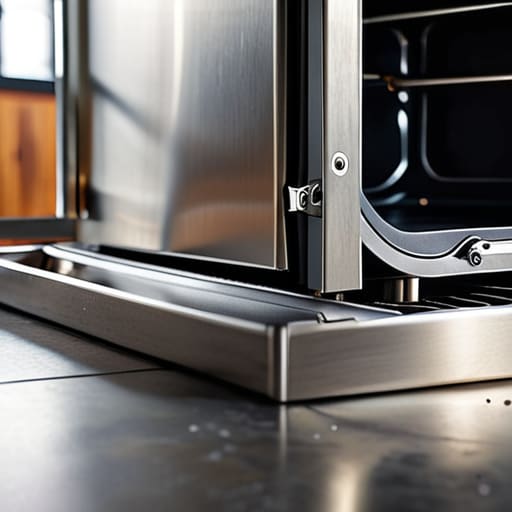

You’re standing there, staring at a dishwasher door that feels like it’s been weighted with lead, wondering if the whole machine is finally on its last legs. Most people see a door that won’t stay up and immediately start browsing for a brand-new appliance, but let me tell you something: you don’t need a new machine, you just need to learn how to replace a dishwasher door spring. I’ve spent eighteen years pulling these things apart in Bristol, and I can’t tell you how many times I’ve seen a perfectly good, expensive dishwasher tossed on the curb just because a tiny bit of tension went missing. It’s usually just a snapped spring, and it’s hardly worth the cost of a service call.
I’m not going to give you any of that fancy, over-complicated manual jargon that makes your head spin. Instead, I’m going to show you exactly how I’d tackle it if I were standing in your kitchen right now. We’ll go through the tools you actually need, how to safely catch that door so it doesn’t drop on your toes, and the trick to getting the new spring seated without losing your patience.
Guide Overview
Tools & Supplies
- Screwdriver (Phillips or Flathead to remove door panels)
- Pliers (Needle-nose or channel locks to detach springs)
- Utility knife (To cut through old adhesive or sealant)
- Replacement door spring kit (1 set matching your model)
- Work gloves (To protect hands from sharp metal edges)
Step-by-Step Instructions
- 1. First thing you need to do is clear the decks. You can’t be wrestling with a heavy door while your kitchen floor is covered in stray cutlery or damp tea towels. Pull the dishwasher out just far enough so you can get a proper grip on the sides, and make sure there’s plenty of light hitting the door area. I usually keep a headtorch handy because trying to see into those dark crevices with a phone light is a recipe for a headache.
- 2. Now, you’ve got to get that door into a position where you can actually work. Most of these machines are designed so the door sits at a specific angle when it’s partially open. You’ll want to prop it up or hold it steady—I often use a couple of thick books to wedge it at a comfortable working height—so you aren’t fighting gravity while you’re trying to unhook the old spring.
- 3. Locate the old spring. It’s usually tucked away near the hinges, looking a bit stretched out or, more likely, completely snapped in half. You’ll need to unhook the tensioned end first. Be careful here; if that spring is still under a bit of tension, it can ping right at you like a tiny, angry projectile. I’ve got a drawer full of bent pliers from years of doing this, so take it slow.
- 4. Once the old one is out, take a good look at the mounting points. I’ve seen plenty of machines where the spring didn’t just fail, but it actually chewed up the plastic housing it was supposed to sit in. If the hole is stripped or cracked, a new spring won’t do a lick of good. If it looks solid, go ahead and clean out the gunk around the hinge area; there’s no point putting a fresh part into a filthy machine.
- 5. Take your new spring and hook it onto the first mounting point. It’s a bit of a struggle, I won’t lie. You’ll likely need a pair of needle-nose pliers to grab the loop and pull it tight enough to reach the second side. Don’t try to force it with your bare fingers unless you want a bruised knuckle to show for your efforts.
- 6. Give the door a few gentle tests. Open it and close it a couple of times to make sure the tension feels just about right. It shouldn’t feel like it’s slamming shut, but it shouldn’t feel limp either. If it feels off, you might have the spring hooked onto the wrong notch, so double-check the alignment before you slide the machine back into its cupboard.
Understanding How to Replace a Dishwasher Door Spring
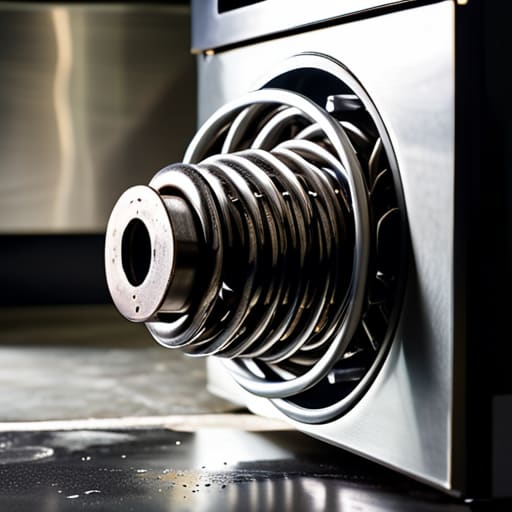
Before you go grabbing a screwdriver, you need to understand what’s actually happening when that door starts acting up. Usually, it’s not the hinges themselves that have failed, but the tension. If your door feels like it’s slamming shut or, conversely, if you’re struggling to keep it up, you’re dealing with dishwasher door balance issues. Most people see a heavy door and assume the whole unit is shot, but it’s almost always just that one bit of coiled metal that’s lost its fight. I’ve seen plenty of folks try to force the door closed, only to end up cracking the plastic housing because they didn’t realize the spring was shot.
When you’re getting ready, make sure you have the right dishwasher repair tools needed on hand—specifically a decent pair of needle-nose pliers and maybe a small flathead. Don’t go trying to pry the old spring off with a kitchen knife; you’ll just end up scratching the finish or, worse, losing the spring entirely into the guts of the machine. Once you get the new one in, pay close attention to the seating. If it’s not hooked perfectly, you’ll find yourself fighting the door every single time you want to load a plate.
Key Things to Know
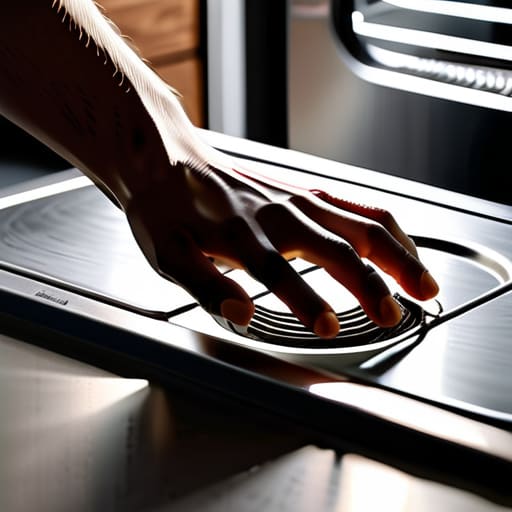
Before you start poking around under the lip of the machine, you need to understand that these springs aren’t just there for show. They are responsible for the delicate physics of the door. If you’ve been dealing with dishwasher door balance issues, like the door slamming shut or feeling like it’s trying to launch itself at your chin, it’s almost certainly the tension that’s gone. I’ve seen plenty of folks try to tighten the existing ones, but once that metal has fatigued, you’re just fighting a losing battle.
When you’re sourcing your parts, don’t bother looking for a generic piece of wire. I always tell people to grab a proper dishwasher door spring kit installation set if they can find one. It’s much better to have the exact match for your specific model rather than some “close enough” substitute from a hardware bin. Also, keep a pair of needle-nose pliers handy; you’ll need them to maneuver the hook into place without bruising your knuckles. It’s a fiddly job, but once it’s set, that door should feel smooth as silk again.
A Few Bits of Advice Before You Get Stuck In
- Don’t go wrestling with the door while it’s unsupported. Once that spring is off, the door becomes a heavy, awkward slab of plastic and metal that’ll want to slam shut on your fingers. Prop it up with a couple of sturdy books or a wedge first.
- Keep an eye on the tension. These springs are designed to pull hard, and they don’t care if your knuckles are in the way. I’ve seen plenty of people try to force it with a pair of blunt pliers, only to have the spring fly off and dent the kickplate.
- Check the mounting points while you’re in there. If the spring snapped because the plastic loop it hooks onto is cracked or worn thin, a brand new spring isn’t going to do much good. You’ll just be back in the same spot in a month.
- Use the right tool for the job. You don’t need a massive toolkit, but a decent pair of needle-nose pliers will save you a lot of swearing. Trying to hook a spring back on with your bare hands is a quick way to end up with a bruised thumb.
- Don’t toss the old spring until you’ve tested the new one. I’ve had jobs where the new part looked right but had a slightly different coil tension, and the door felt either too light or too heavy. Make sure it feels “right” before you close the machine up and call it a day.
The Bottom Line
Don’t go buying a whole new dishwasher just because the door won’t stay up; it’s usually just a bit of metal that’s lost its tension.
Get the right part before you start tearing things apart, because trying to make a generic spring work is a recipe for a headache.
Take your time and keep an eye on where everything goes, because once that spring tension is released, things can move a lot faster than you’d like.
Don't Let a Tiny Spring Win
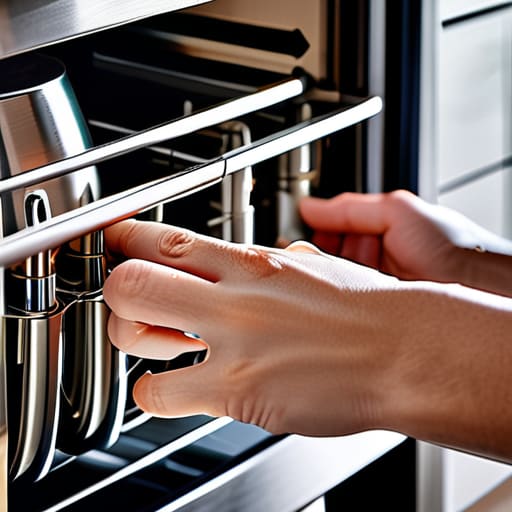
So, there you have it. You’ve navigated the clips, handled the tension, and hopefully didn’t end up with a face full of soapy water. Replacing that spring is really just about having the right tools and a bit of patience to ensure everything sits flush. Remember, once you’ve got that new part seated properly, give the door a gentle test run to make sure it doesn’t feel wonky or snap back too hard. It’s a simple fix, but if you rush it, you’ll just end up fighting the machine all over again. Just take your time, double-check your seating, and you’ll be sorted.
I can’t tell you how many times I’ve seen someone call out a repairman for a machine that was perfectly fine, all because a bit of metal lost its stretch. It’s a waste, plain and simple. But you? You’ve actually taken the time to look under the hood and fix it yourself. That’s how we stop the cycle of throwing away perfectly good kit just because of a minor hiccup. There’s a real sort of satisfaction in knowing your appliances are actually working because you put in the effort. Keep that spirit up—the world needs a few more people who prefer fixing things over replacing them.
Frequently Asked Questions
Do I really need to buy a whole new door assembly, or can I just find the specific spring online?
Don’t let the big retailers scare you into buying a whole new door assembly. That’s just how they make a margin. Most of the time, you’re just looking for a single piece of tensioned steel. Search for your dishwasher’s model number alongside “door spring” on a proper spares site. It’ll cost you a few quid instead of a few hundred. I’ve seen plenty of people bin a perfectly good machine just because they couldn’t find a ten-pound part.
If the spring snapped, is it likely that the plastic housing it sits in is also cracked?
It’s a fair question, and honestly, more often than not, the answer is yes. When that spring snaps, it doesn’t always go quietly; it can whip around and take a chunk out of the plastic housing with it. If the spring gave way because of tension or a sudden snap, check those mounting points carefully. If the plastic is hairline-fractured, a new spring won’t do a lick of good—it’ll just pop right out again.
Can I use a different type of spring if I can't find the exact part number for my model?
Look, I’ve seen people try to “improvise” with whatever’s lying around the shed, and it rarely ends well. If you can’t find the exact part number, don’t just grab any old spring. It needs to have the right tension; too weak and the door won’t stay up, too strong and you’ll snap the plastic housing. If you must substitute, match the dimensions and the pull-strength exactly. Otherwise, you’re just asking for a headache.
