








I’ve spent eighteen years pulling apart everything from heavy-duty washing machines to little handheld vacuums, and if there’s one thing I’ve learned, it’s that most people treat their kitchen gear like it’s disposable. They see a machine stop working and immediately head to the big-box store for a shiny new replacement, when usually, it’s just a bit of grit in a sensor or a loose connection. It’s a crying shame, really, because most of that junk ends up in a landfill just because someone didn’t know which small kitchen appliances worth owning actually have the guts to last. I’ve seen too many “high-end” gadgets end up in my scrap pile after only six months because they were built with plastic gears that couldn’t handle a bit of real use.
In this list, I’m cutting through the marketing fluff to show you the five machines that are actually built to endure. I won’t be recommending anything that’s going to fall apart the moment you try to clean it, because I know exactly what happens when a part goes missing and you can’t find a replacement. I’m going to walk you through the heavy hitters that are worth every penny and, more importantly, worth the effort to keep running.
The Heavy-Duty Toaster
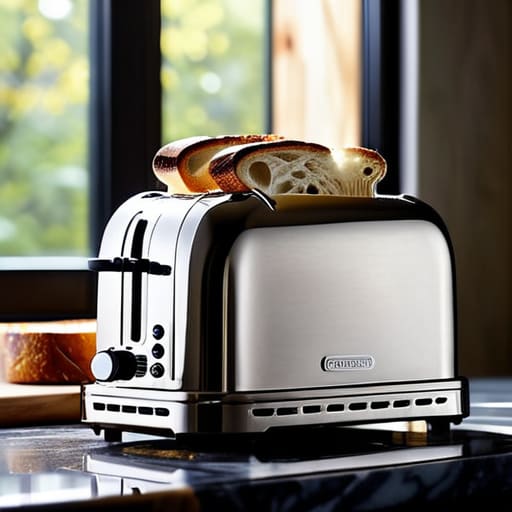
Most people buy a toaster that looks like a piece of modern art, only to find the heating elements burn out the second they hit a thick slice of sourdough. I’ve seen enough of these cheap, plastic-heavy units in the scrap heap to know that you want something with substantial weight and metal internals. If it feels flimsy in your hand, it’s going to be a paperweight in six months.
The All-Metal Blender
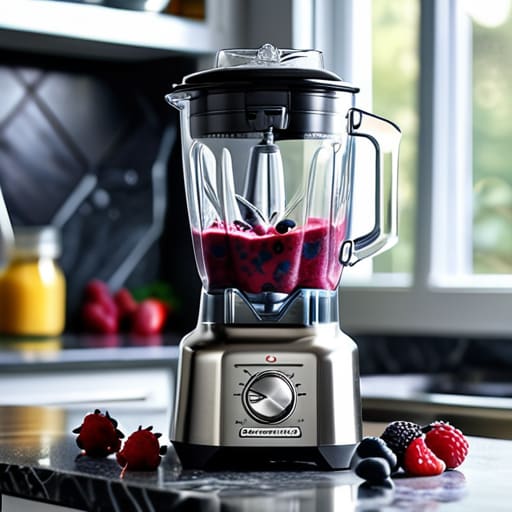
I can’t tell you how many times I’ve been called out to look at a “broken” blender, only to find the plastic drive coupling has stripped itself to nothing. When you’re blending anything thicker than a milkshake, those cheap plastic gears just give up the ghost. If you’re serious about your kitchen, you need a base that has some real heft to it and a motor that doesn’t smell like ozone every time you hit the pulse button.
The Cast Iron Companion

Now, I know this isn’t a “plug-in” appliance in the traditional sense, but if we’re talking about things worth owning, you can’t ignore a good heavy skillet. I spend my weekends restoring old cast iron, and honestly, it’s the most reliable piece of “technology” in my kitchen. There are no circuit boards to fry and no software updates required to fry an egg.
The Reliable Electric Kettle
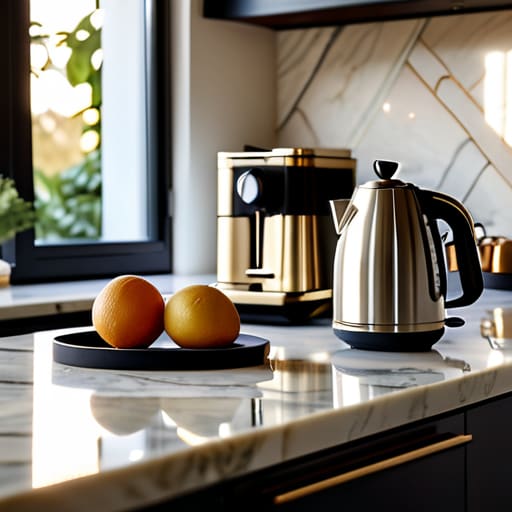
It sounds basic, but a kettle is one of the most used items in any house, which means it’s one of the most likely to fail. I see far too many people tossing out perfectly good kettles because the scale buildup has tripped the thermal cut-out. If you buy a cheap one with a complicated digital display, you’re just asking for a complicated repair job that nobody’s going to bother with.
The Workhorse Coffee Maker
If you’re someone who needs caffeine to function, don’t go buying one of those fancy espresso machines that looks like a spaceship. Those things are a nightmare of tiny valves and delicate sensors that clog up if you even look at them wrong. I’ve opened up plenty of them, and half the time, they’re just gummed up with old coffee oils that no one bothered to clean out.
The Bottom Line
Don’t be quick to bin a machine just because it’s acting up; half the time, it’s just a bit of grit in a seal or a blocked filter that needs a proper clean.
You don’t need the flashiest gadget on the market, just something with heavy-duty parts that you can actually get a screwdriver into when it eventually needs a tweak.
If you treat your appliances with a bit of respect—keeping them clean and not forcing them past their limits—they’ll stay on your counter for years instead of ending up in a landfill.
Before You Clear the Counter
At the end of the day, the list I’ve given you isn’t about having the flashiest gadgets or the ones with the most buttons to press. It’s about choosing tools that aren’t going to end up in a landfill because a single plastic cog snapped or a motor burnt out from being pushed too hard. Whether it’s a sturdy kettle or a reliable toaster, the common thread here is build quality and repairability. If you buy something that’s built like a tank and easy to keep clean, you’re already ahead of ninety percent of the people I visit on my service calls. Don’t let a fancy digital display trick you into buying something that’s essentially disposable technology.
My advice is simple: stop looking for the cheapest option and start looking for the one that feels like it has some actual weight to it. I’ve spent eighteen years pulling apart machines that were “broken” simply because someone couldn’t find a way to clean the sensor or clear a blockage. If you treat your appliances with a bit of respect—clean the filters, don’t force the levers, and buy things that are meant to be repaired—they will serve you well for a decade or more. It’s much more satisfying to own five things that actually work than twenty things that are constantly breaking down.
Frequently Asked Questions
Is it actually worth paying extra for a brand name, or can I just get a cheaper one and fix it myself if it goes wrong?
Look, I’ve seen both sides of the workbench. A cheap, no-name toaster is usually just a single molded plastic shell; once a wire snaps, it’s landfill because you can’t get inside it. If you’re going to buy budget, make sure there are actual screws holding it together. Personally? I’d rather pay a bit more for a reputable brand. They tend to use standard components that don’t make me want to cry when I’m fixing them.
What are the common things that actually break in these machines that I should keep an eye on?
It’s rarely the motor or the big fancy tech that fails first. Usually, it’s the small, cheap bits. In blenders, it’s the rubber seals or the plastic coupling stripping out because someone forced it. In kettles, it’s just limescale choking the element. Most of the time, it’s a fuse, a loose wire, or a simple blockage. If you keep the seals clean and don’t force a stuck blade, they’ll keep running.
If a small appliance stops working, how do I know if it's a simple fix like a fuse or if it's actually dead?
Don’t panic and reach for the bin just yet. First, check the basics: is it plugged in properly, and has it tripped a breaker? If it’s a plug-in, a blown fuse is a five-minute fix. If it’s getting power but won’t start, check for a blocked filter or a jammed component. If you smell burning or see smoke, though, that’s usually the end of the road. Most “dead” machines are just thirsty for a bit of cleaning.
