








I spent most of yesterday pulling a calcified heating element out of a washing machine that was barely three years old, and honestly, it’s enough to make you want to throw the whole unit in the skip. People spend a fortune on fancy detergents and “specialist” cleaners, but they completely ignore the white, crusty death sentence building up inside their pipes. I get asked all the time about fitting a water softener or not, and usually, it’s because they’ve finally noticed their appliances are struggling to do the one job they were built for. Most of the advice you’ll find online is either trying to sell you a massive, expensive installation or telling you it’s a waste of money; neither side is looking at the actual grit inside your machine.
I’m not here to sell you a system or tell you that you need a plumbing overhaul just to keep your kettle working. I’ve opened more machines than most people will own, and I’ve seen exactly what hard water does to a heating element and a pump over time. I’m going to give you the straight truth about whether it’s actually worth your time based on what I see in the field every single day. No hype, no sales pitch—just the facts so you can decide if you’re protecting your gear or just wasting your cash.
Understanding Fitting a Water Softener or Not
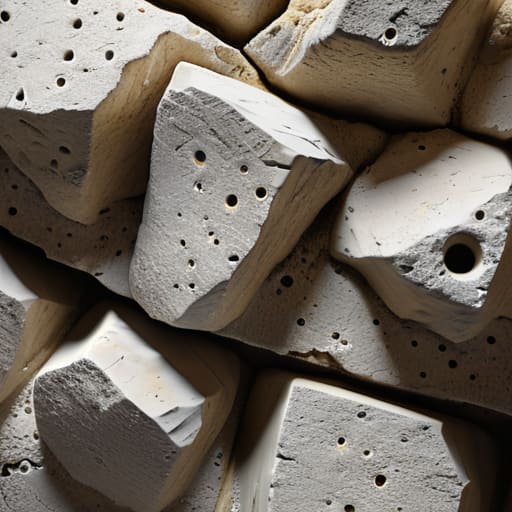
Before you go out and spend a few hundred quid on a new unit, you need to know what you’re actually dealing with. I’ve spent years pulling heating elements out of washing machines that looked like they’d been pulled from a limestone quarry. If you aren’t sure if your water is the culprit, stop guessing and grab a cheap water hardness testing kit from the local hardware shop. It’ll tell you straight if you’re fighting a losing battle against minerals or if your pipes are actually clear.
Deciding on the water softener installation pros and cons usually comes down to how much you value your appliances versus how much you hate hauling bags of salt. If you live in a hard water area, that white, crusty grit is slowly choking your kettle, your dishwasher, and your boiler. It’s not just about the machines, either; the impact of hard water on plumbing means you’ll eventually be paying a plumber far more than the cost of a softener just to clear out the scale. It’s a bit of a trade-off, really.
Key Things to Know
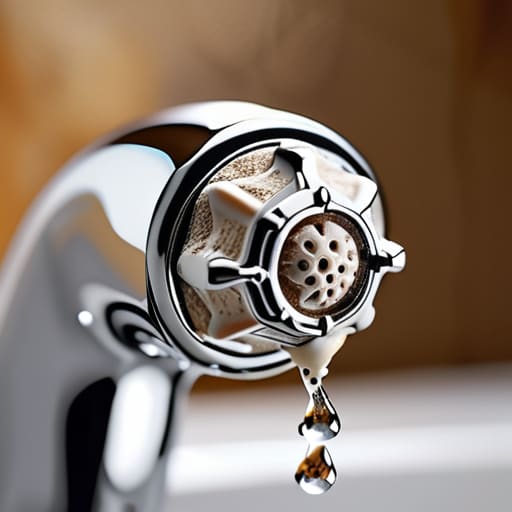
First things first, don’t just take my word for it; you need to know what you’re actually dealing with. I’ve seen too many people in Bristol swear their water is “fine” right up until their heating element snaps or their washing machine pump seizes. Pick up a cheap water hardness testing kit from the local hardware shop. It’ll tell you exactly how much calcium and magnesium you’re forcing through your pipes. If you’re seeing white crusty bits on your taps, you’re already losing the battle.
You also need to be realistic about the upkeep. A softener isn’t a “set it and forget it” gadget. You’ll be managing salt consumption for water softeners regularly, and if you neglect it, the whole system becomes a glorified paperweight. It’s a bit of a trade-off: you gain limescale buildup prevention that saves your appliances, but you take on the chore of refilling the brine tank. It’s a bit of a nuisance, I’ll grant you, but it beats the alternative of replacing a boiler every five years.
Practical Tips and Steps
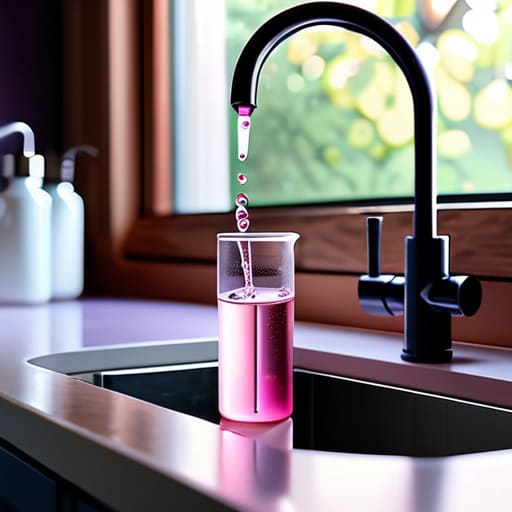
If you’ve decided to go ahead with it, don’t just buy the first shiny unit you see on a late-night advert. Start by getting a proper water hardness testing kit—you can find them for a few quid online. You need to know exactly what you’re fighting before you commit to a specific model. Once you have your numbers, check your plumbing layout. If you’re planning a whole-house setup, make sure you’ve got the space for the resin tank and a reliable drainage point, otherwise, you’ll be cursing the decision every time you try to clear a blockage.
When it comes to the actual maintenance, remember that a softener isn’t a “fit and forget” gadget. You’ll need to keep an eye on your salt consumption for water softeners to ensure the resin stays hungry and the water stays sweet. I’ve seen too many people neglect the salt levels, only to end up with a machine that’s still choking on calcium. If you keep the salt topped up and the system serviced, you’ll see the difference in how your heating elements and washing machine valves hold up over the years.
Common Mistakes to Avoid
The biggest mistake I see is people making a massive investment without actually knowing what they’re up against. I’ve pulled heating elements out of boilers that looked like they’d been dipped in concrete, all because someone assumed their water was “fine.” Don’t just take a neighbor’s word for it; grab a proper water hardness testing kit before you spend a penny. If you don’t know your baseline, you’ll likely end up with a system that’s either overkill or completely useless for your specific pipes.
Another blunder is neglecting the maintenance once the unit is actually in. People think a softener is a “fit and forget” gadget, but if you aren’t keeping an eye on your salt consumption for water softeners, you’ll eventually end up with resin fouling. It’s a bit like a washing machine filter—if you ignore it, the whole system fails. I’ve seen far too many folks complain about their appliances failing, only to find the softener hasn’t been serviced in three years. It’s not just about the installation; it’s about the upkeep.
Final Thoughts
At the end of the day, it isn’t about following a trend; it’s about looking at what’s actually happening inside your heating element or your washing machine drum. I’ve pulled out enough calcified heating elements to know that once the damage is done, you aren’t just looking at a repair bill—you’re looking at a dead machine. If you’re still on the fence, go out and get a proper water hardness testing kit. It’s a cheap bit of kit, and seeing those results for yourself usually settles the debate more than any manual ever could.
If you do decide to go ahead, just remember that it’s a bit of a commitment. You’ll need to keep an eye on your salt consumption for water softeners and make sure you’re maintaining the unit itself. But if you ask me, the trade-off is worth it. Preventing that thick, crusty layer of scale from choking your pipes and heating elements is much easier than trying to scrape it off later. It’s about limescale buildup prevention being a proactive choice rather than a desperate reaction to a broken appliance.
Five things I’ve learned from seeing the inside of too many machines
- Don’t just look at the price tag of the softener; look at the cost of the replacement heating elements in your washing machine. If you’re in a hard water area, that softener pays for itself the first time it prevents a burnt-out element.
- Check your plumbing before you commit. I’ve been called out to houses where people bought a fancy unit only to realize their pipes weren’t set up for the bypass, and then they’re stuck with a leak they can’t fix.
- If you decide against it, you’d better be prepared to be religious about descaling. You can’t just ignore the limescale buildup and hope for the best; if you don’t use a descaler, you’re basically inviting a breakdown.
- Think about your dishwasher too. People always focus on the laundry, but I’ve seen enough cloudy, scale-crusted glassware to know that a softener makes a massive difference to the kitchen side of things.
- Get a water hardness test kit first. Don’t guess. I’ve seen people spend a fortune on a massive system when they only needed a small one, and others living with heavy scale who didn’t even realize they had a problem until their pump seized.
The bottom line
Don’t wait for a heating element to snap or a pump to seize before you think about your water; by then, you’re just paying for a repair that could have been avoided.
A water softener isn’t just an extra gadget; it’s a bit of insurance for every appliance in your house, from the kettle to the washing machine.
If you can’t afford a full system, at least start using descalers properly—it’s better than letting limescale turn a perfectly good machine into scrap metal.
The Final Verdict
At the end of the day, deciding whether to install a softener comes down to a bit of math and a lot of honesty about your local water. If you’re tired of seeing white, crusty scales clogging up your heating elements or finding your washing machine struggling to rinse properly, then the investment is a no-brainer. You’ve seen the lists: the maintenance, the salt refills, and the initial cost, but you also have to weigh that against the cost of replacing a dead boiler or a ruined dishwasher. I’ve spent eighteen years pulling machines apart only to find they weren’t actually broken, just suffocating under layers of limescale. If you want to stop being part of the “throwaway culture” that sees perfectly good appliances sent to the scrap heap because of a blocked valve, then getting a softener is one of the smartest moves you can make.
I know it feels like just another chore to manage, but looking at it differently changes everything. Instead of viewing it as an extra piece of plumbing to worry about, try seeing it as a bit of preventative medicine for your home. We spend so much time and money buying the latest gadgets, yet we often neglect the very environment they need to survive. If you take care of your water, your machines will take care of you. It’s about moving away from that mindset of “buy, break, replace” and moving toward something a bit more sensible. Make your appliances last, and you’ll find you have much less to worry about in the long run.
Frequently Asked Questions
If I get a softener, am I going to have to start buying different types of detergent or salt for my washing machine?
Not exactly, but you’ll change how you use what you’ve got. You don’t need special “soft water” detergent, but you’ll find you need a lot less of it. Most people over-dose their machines, which just creates more sludge. As for salt, that’s only for the softener unit itself, not the appliance. Just get the right grade for your system. Once you’ve got it running, you’ll see your machine’s internals stay much cleaner.
Is it actually worth the money to install one if I'm only planning on staying in this house for another couple of years?
Look, if you’re moving in twenty-four months, you aren’t going to see the full return on investment through saved soap or longer machine life. However, I’ve seen too many people leave a house with limescale thick as a biscuit inside the heating elements. If you can swing the cost, do it—not for your benefit, but to ensure the next person doesn’t find a calcified mess when they open the machine.
Will a water softener actually stop the limescale buildup inside my boiler, or is that a separate job entirely?
It’ll stop the scale from forming in the first place, which is exactly what you want. Think of a softener like a shield; it stops the minerals from ever reaching your boiler. However, if your boiler is already choked with thick, crusty limescale, a softener won’t magically dissolve it. You’ll need a professional flush to clear the old gunk out first. Once that’s done, the softener will keep it from coming back.
