







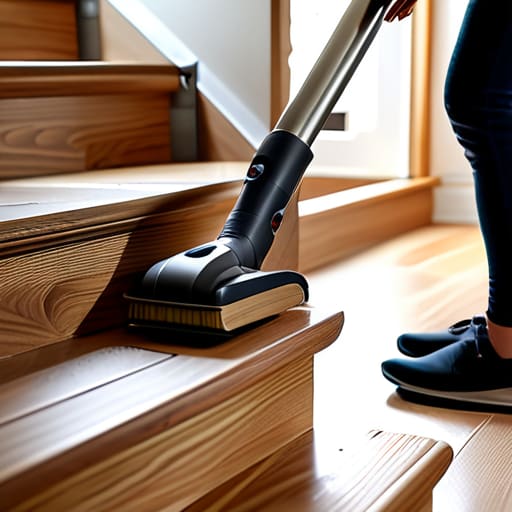

I’ve spent eighteen years pulling dust bunnies and burnt-out motors out of machines that people swore were “dead,” and if there’s one thing I’ve learned, it’s that the shiny, high-tech marketing fluff is usually a lie. Most people walk into a shop thinking they need a heavy-duty canister with every bell and whistle imaginable, but when it comes to learning how to choose a vacuum for stairs, that extra weight is just going to end up killing your wrist and frying the motor by next Christmas. I’ve seen too many expensive, “smart” machines end up in my scrap pile simply because they were too bulky to actually maneuver up a flight of steps without choking on the first bit of grit they hit.
I’m not here to sell you on a lifestyle or a fancy brand name; I’m here to tell you what actually survives a week of real-world use. I’ve opened up more vacuum motors than most people will ever see, and I know exactly where they tend to fail when you’re wrestling them around a banister. I’m going to give you the straight-talking truth about suction power versus weight, and why that “unbeatable” attachment might actually be a waste of your money.
The Secret to Knowing How to Choose a Vacuum for Stairs
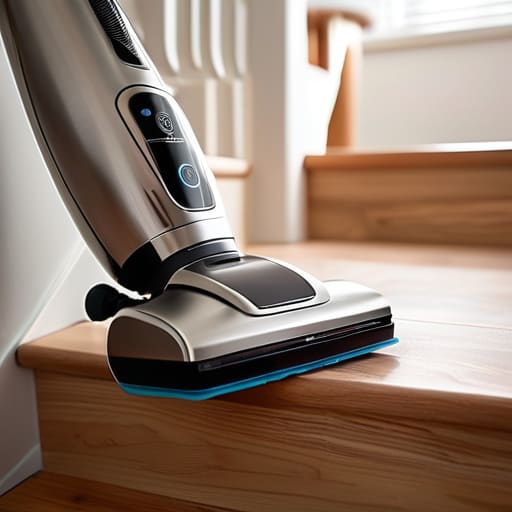
The secret isn’t in the flashy marketing or the LED lights on the floorhead; it’s in how much effort you’re going to expend before you give up and leave the crumbs behind. Most people look at a box and see “suction,” but I look at a machine and see the weight distribution. If you’re lugging a heavy upright up three flights, you aren’t just cleaning; you’re doing a bloody workout. I’ve seen plenty of high-end models end up in my workshop because the motor burned out from being tilted at awkward angles for too long. You need to prioritize ergonomic vacuum design so your wrist doesn’t feel like it’s been through a meat grinder by the time you hit the top landing.
Then there’s the question of what you’re actually fighting. If your home is a mix of polished wood and thick pile, you can’t just rely on one setting. You need to check if the machine handles carpet vs hard floor stair cleaning without needing a complete overhaul of its brush roll every five minutes. If you go the route of a cordless stick vacuum for stairs, don’t just listen to the salesperson about the suction—ask about the actual runtime when you’re using the high-power mode. There is nothing more frustrating than a dead battery halfway up a staircase.
Why Vacuum Suction Power for Stairs Destroys Weak Motors
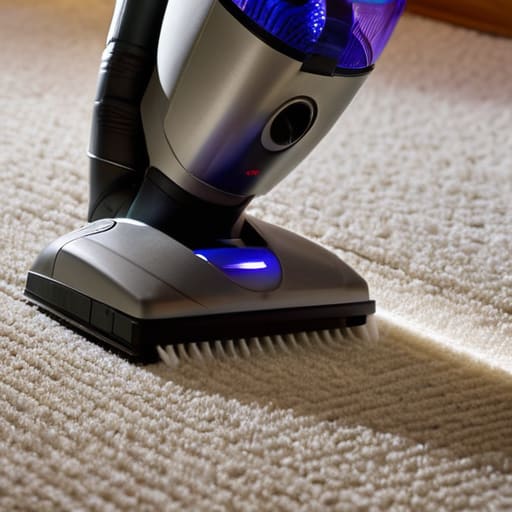
People get so caught up in the fancy suction numbers on the box, but they forget that stairs are a different beast entirely. When you’re working on a staircase, you aren’t just gliding across a flat living room floor; you’re constantly fighting gravity and pushing debris into tight, stubborn corners. This creates a massive amount of resistance. If you’re using a cheap cordless stick vacuum for stairs, that resistance acts like a literal weight on the motor. I’ve seen dozens of these “modern” machines end up in my scrap pile because the motor simply burnt itself out trying to maintain vacuum suction power for stairs against a thick carpeted step.
It’s a mechanical struggle. Every time you hit a particularly heavy bit of grit or a deep pile, the motor has to work twice as hard to pull that air through. If the machine isn’t built to handle that kind of strain, the heat builds up fast. Most people think the vacuum is “dying” when it starts smelling like hot plastic, but really, the motor is just screaming for help. It’s not about how much suction you have on paper; it’s about how much heat that motor can survive before it finally gives up the ghost.
The Truth About Cordless Stick Vacuum for Stairs Reliability
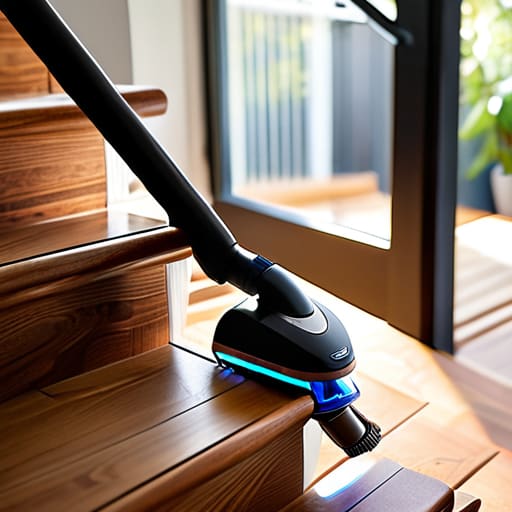
Everyone and their mother is talking about the cordless stick vacuum for stairs lately, and I get the appeal. You aren’t tripping over a lead while trying to navigate a narrow landing. But I’ve seen too many of these lightweight wonders end up in my scrap pile because people treat them like they’re indestructible. The problem is that stairs are a different beast than a flat living room floor; you’re constantly pushing the machine against edges and corners, which puts a massive amount of strain on those tiny, high-speed motors.
If you’re set on going cordless, you need to look past the shiny marketing and check the battery life for cordless vacuums under actual load. Most people think they’re fine until they realize the power drops off significantly halfway through the flight. I also tell my customers to look closely at the attachments for stair cleaning. If the kit doesn’t include a decent crevice tool or a motorized mini-brush, you’ll find yourself doing half the job by hand. It’s not about how light the machine feels in your hand; it’s about whether it can actually handle the grit trapped in those stair treads without burning itself out.
Mastering Carpet vs Hard Floor Stair Cleaning Without Breaking Machines
Most people think they need one machine that does everything, but if you’ve got a mix of wood and heavy pile, you’re setting yourself up for a headache. The real struggle with carpet vs hard floor stair cleaning isn’t just about the dirt; it’s about how the machine handles the transition. On carpet, you need enough agitation to pull grit from the base, but if you try to use that same high-torque setting on a polished wooden step, you’ll end up scuffing the finish or, worse, stalling the brush roll motor.
I’ve seen far too many motors burn out because someone tried to force a heavy carpet head up a narrow flight of stairs. If you aren’t careful, you’ll find yourself fighting the machine more than the dust. That’s why you need to look closely at the attachments for stair cleaning rather than just relying on the main floor head. A proper upholstery tool or a slim motorized mini-tool will save your motor from the strain and, frankly, save your wrists from a lot of unnecessary ache.
Ergonomic Vacuum Design and Essential Attachments for Stair Cleaning
You can have all the suction in the world, but if the machine is a nightmare to hold, you’ll end up shoving it into a cupboard and letting the dust settle. I’ve seen plenty of people struggle with heavy, top-heavy units that make their wrists ache after just one flight. Proper ergonomic vacuum design isn’t just a marketing buzzword; it’s about the weight distribution. If the motor is sitting too high up on a stick, you’re fighting gravity every time you reach for that top step. You want something that feels balanced, not like you’re lugging a brick up to the landing.
Then there’s the business of the actual tools. Don’t get fooled by a fancy kit that includes ten different brushes you’ll never use. For stairs, you really only need two things: a slim crevice tool for those tight corners where the crumbs hide, and a motorized mini-brush head. If you’re dealing with carpet vs hard floor stair cleaning, that little brush head is what actually lifts the grit out of the fibers without you having to scrub like a madwoman. If the attachments don’t click on firmly, they’ll just pop off mid-sweep, and that’s a recipe for a broken plastic clip.
Five Things to Look For Before You Hand Over Your Money
- Check the hose flexibility. I’ve spent far too many afternoons untangling stiff, plastic-feeling hoses that refuse to bend around a stair spindle; if it doesn’t move like a snake, you’ll end up fighting the machine instead of the dirt.
- Look for a detachable wand or a lightweight body. If you have to lug a heavy canister up every single step, you’re going to start taking shortcuts, and that’s exactly when you start skipping the corners where the grit hides.
- Prioritize easy-access filters. Most people think their motor has died when really it’s just choked on dust, so pick a model where you can pop the filter out and clean it without needing a degree in engineering.
- Test the weight of the hand unit. It might look fine in the shop, but once you’re halfway up a flight of stairs, a “sturdy” hand unit suddenly feels like you’re lugging a bag of cement.
- Don’t ignore the attachment connections. I’ve seen plenty of cheap vacuums where the crevice tool won’t stay clicked into the wand, meaning you’ll spend half your time chasing a plastic nozzle down the hallway.
The Bottom Line Before You Spend Your Money
Stop looking at the fancy digital displays and start looking at the weight; if you can’t lug it up the stairs without feeling like you’re doing a gym session, you’ll end up leaving the dust behind.
Don’t get seduced by a cordless stick if you have more than ten steps; those little motors work too hard on vertical inclines and they’ll burn out long before the battery does.
Check the attachments before you buy, because a vacuum is only as good as the bit that actually reaches into the corners where the grit hides.
Don't Get Fooled by the Shiny Plastic
At the end of the day, choosing a vacuum for your stairs isn’t about finding the one with the most bells and whistles or the prettiest LED lights. It’s about finding a machine that won’t choke itself to death the moment you try to pull dirt out of a deep carpet pile. You need to look for a motor that can actually handle the resistance, a battery that won’t give up halfway up the landing, and attachments that don’t feel like they’ll snap if you look at them wrong. If you ignore the suction-to-weight ratio and just go for the lightest thing on the shelf, you’re going to end up with a motor that’s burnt out before the first year is up. Buy for the workload, not the weight.
I’ve spent nearly two decades pulling dead machines out of people’s hallways, and most of them were perfectly fine tools that just weren’t up to the task they were given. It’s a waste to see a good piece of kit end up in a landfill just because someone bought a “convenient” vacuum that couldn’t handle a bit of real grit. If you take the time to pick something sturdy and well-designed, you won’t just be cleaning your stairs; you’ll be investing in a tool that actually lasts. Stop looking for the easiest purchase and start looking for the one that’s built to do the job.
Frequently Asked Questions
Should I worry about the brush roll getting tangled in long hair every time I go up a step?
If you’ve got long hair in the house, you shouldn’t just worry—you should expect it. I’ve spent more afternoons untangling hair from brush rolls than I have actually fixing motors. It’s a nightmare for the belt and a killer for the bearings. Look for a vacuum with “anti-tangle” technology or, better yet, one where the brush roll is easy to pop out and clean. If you can’t get to the hair, the machine’s doomed.
If I go with a cordless model, will the battery actually last long enough to do a whole flight of stairs?
Look, if you’re just doing one flight of stairs, you’ll be fine. But don’t let the marketing fool you. The moment you switch to that high-power “Max” mode to suck up the grit in the corners, that battery life plummets. I’ve seen plenty of these cordless units die halfway through a job because people treat them like corded machines. If you’ve got a massive, multi-level house, plan on charging it between landings.
Is it worth spending more on a machine with a HEPA filter if I'm mostly just kicking up dust from the treads?
Look, if you’re just kicking up grit from the treads, a standard filter does the job. But if you’re noticing that fine, grey dust settling back on the stairs five minutes after you’ve finished, that’s your sign. A HEPA filter isn’t just marketing fluff; it catches the microscopic stuff that smaller, cheaper machines just spit right back out into your face. If you’ve got allergies, pay the extra bit. Otherwise, don’t sweat it.
