







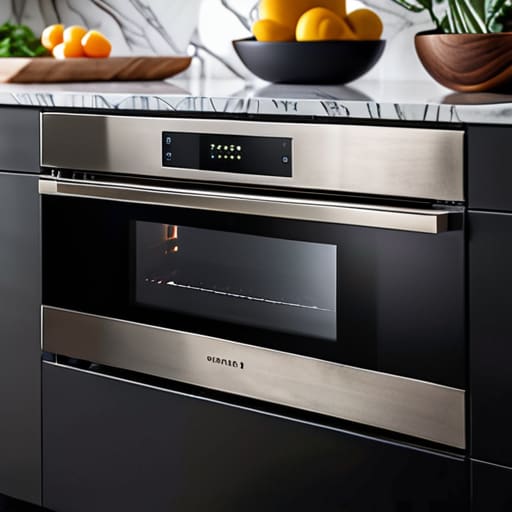

I spent my Tuesday morning staring at a brand-new, high-end washing machine that someone had called in for because it “wouldn’t work.” After twenty minutes of poking around, I found the culprit: a tiny, overpriced sensor that had been tripped by a stray sock. It’s the same old story. People come home from the showroom feeling proud of all the bells and whistles they’ve paid for, but most of those appliance features that are marketing are really just extra ways for a machine to fail. I’ve seen enough “smart” touchscreens and “AI-driven” cycles to know that most of them are just expensive distractions from the actual mechanics that keep your clothes clean.
I’m not here to sell you anything or tell you which brand is the “gold standard.” I’ve spent eighteen years in the guts of these machines, and I’ve learned that the best appliance is the one that actually does its job without needing a software update. In this post, I’m going to pull back the curtain on the nonsense. I’ll show you which high-tech additions are actually useful and which ones are just wasteful plastic designed to pad a manufacturer’s profit margin.
The Glossy Lies Appliance Features That Are Marketing and Nothing More
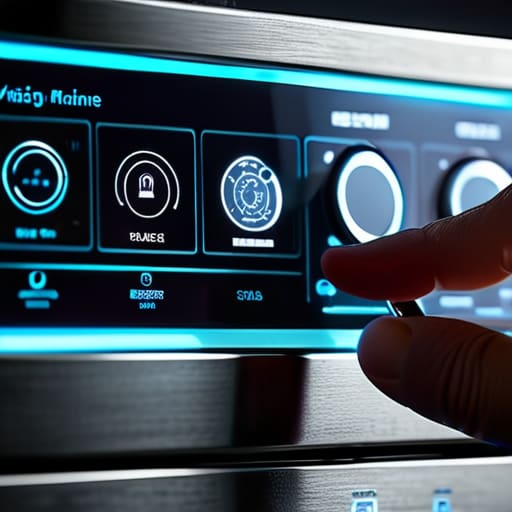
Take those fancy “AI-driven” wash cycles they’re pushing in the showrooms. They call it smart appliance technology value, but when I’m standing in a customer’s kitchen with a screwdriver in my hand, it usually looks like a headache waiting to happen. These sensors are supposed to detect load weight and soil levels to save water, but more often than not, they’re just adding unnecessary layers of complexity to a process that used to be simple. Instead of a mechanical timer or a straightforward dial, you get a computer chip that decides the machine is “too dirty” to finish a cycle, often because a bit of lint has confused a sensor that didn’t need to be there in the first place.
Then there’s the whole trend of touchscreens on everything from ovens to dishwashers. It looks lovely in a catalog, but it’s a nightmare for longevity. I see it all the time: a perfectly good heating element or motor, but the machine is “broken” because a piece of glass stopped responding to a finger. When you’re weighing up gimmicky appliance features vs essential components, remember that a button you can actually press will outlast a digital display every single time.
Gimmicky Appliance Features vs Essential Parts That Actually Work

When I’m elbow-deep in a washing machine, I’m looking for the components that actually move water or heat it. I’m looking for the pump, the heating element, and the drive belt. These are the bits that matter. Nowadays, manufacturers love to bury these basics under a mountain of gimmicky appliance features vs essential components that serve no real purpose. You’ll see a washing machine with a dozen different “specialist” cycles for silk, wool, or synthetics, but if the drain pump is clogged with a stray sock, none of those fancy programs will save you. It’s all just noise.
I see it constantly with the push toward “smart” connectivity. People ask me about the smart appliance technology value, and my answer is usually a shrug. A machine that sends a notification to your phone saying the cycle is finished is nice, I suppose, but it doesn’t actually clean your clothes any better. I’d much rather see a manufacturer invest in a beefier motor or a more accessible filter housing than a Wi-Fi chip that’ll be obsolete in three years. One keeps your clothes clean; the other just gives you something else to troubleshoot.
Decoding Consumer Electronics Marketing Trends Without Getting Fooled

Lately, I’ve noticed a shift in how these companies try to sell to you. It’s not just about a better spin cycle anymore; it’s about the buzzwords. You’ll see all these consumer electronics marketing trends moving toward everything being “connected” or “AI-driven.” They want you to believe that your washing machine needs to be able to tweet when the cycle is done. But from where I’m sitting, with a screwdriver in one hand and a handful of stripped screws in the other, most of that smart appliance technology value is a bit of a myth.
When I’m looking at a machine, I’m not looking at the touchscreen or the Wi-Fi compatibility. I’m looking at the build quality of the drum and whether the bearings are actually serviceable. The industry is pushing these high-tech interfaces because they’re easy to slap on a spec sheet, but they’re often the first things to fail. If a control board fries because of a tiny power surge, you’re looking at a repair bill that costs more than the machine is worth. I’ve learned to ignore the flashing lights and focus on the essential vs luxury kitchen appliances divide—because at the end of the day, a sturdy motor beats a fancy app every single time.
Smart Appliance Technology Value or Just Another Unnecessary Sensor
These days, you can’t walk into a showroom without being bombarded by talk of Wi-Fi connectivity and apps that tell your phone when your laundry is done. I’ve spent eighteen years looking at the guts of these machines, and I’ve learned that smart appliance technology value is often a bit of a stretch. Most people don’t need a dishwasher to send them a push notification; they need a dishwasher that actually drains properly. When I open up these “smart” models, I often find that the complex circuit boards required to run the fancy software are much more prone to failure than the simple, sturdy timers we used to use.
The real issue is the impact of sensor technology on efficiency versus just adding layers of complexity. A sensor that detects how much dirt is in the water is a useful bit of kit, but when it’s buried behind a proprietary chip that requires a specialist technician to reset, it becomes a headache. You end up paying a premium for a feature that eventually becomes a brick because a single sensor failed. In my experience, it’s better to focus on the mechanical basics rather than getting caught up in the latest digital bells and whistles.
Understanding Appliance Specifications Beyond the Shiny Spec Sheet
When you’re looking at a brochure, everything is measured in decibels, lumens, or “smart” connectivity. But when I’m standing in a kitchen in Clifton with a toolkit in my hand, those numbers don’t tell me much about how long the machine will actually last. Understanding appliance specifications means looking past the bright text and asking what’s actually happening under the casing. A manufacturer might brag about a “whisper-quiet” motor, but if that motor is housed in a flimsy plastic casing that vibrates itself to pieces in three years, that quietness is a moot point.
I’ve learned that the real difference between essential vs luxury kitchen appliances usually comes down to the quality of the components you can’t see. A high-end washing machine might boast about its fancy digital interface, but I’d much rather see a heavy-duty drum bearing and a well-designed pump. You have to stop reading the sales pitch and start looking for the build quality. If they spend more money on the LED screen than they do on the actual heating element, you aren’t buying a tool; you’re buying a very expensive, very shiny paperweight.
How to Spot the Fluff Before You Hand Over Your Credit Card
- Look past the adjectives on the box. If a washing machine claims to be “revolutionary” or “intelligent,” it usually just means they’ve added a sensor that’ll likely fail in three years, whereas a machine with a simple, sturdy dial is much more likely to actually finish a spin cycle.
- Check the accessibility of the parts. I’ve spent half my career staring at machines where the manufacturer has hidden the most common failure points behind three layers of glued-in plastic, making a ten-minute fix turn into a three-hour nightmare.
- Ask yourself if the “specialty cycle” is actually useful. Most of these fancy modes—like the ‘delicate silk’ or ‘extra-gentle’ settings—are just variations of the standard wash with slightly different timings, and you could achieve the same result with a basic setting and a bit of common sense.
- Prioritize mechanical simplicity over digital complexity. A machine with a well-designed pump and a clear, accessible filter will always outlast a machine that needs a software update just to drain the water out of the drum.
- Don’t pay extra for “energy-saving” features that rely on complex sensors. Most of the time, you’ll save more money and hassle by simply choosing a model with a high-quality, straightforward motor and a well-built heating element that doesn’t need a computer chip to tell it when to stop.
The Bottom Line Before You Buy
Don’t pay a premium for “smart” sensors or fancy digital displays that add nothing to the actual cleaning job; you’re usually just paying for more expensive parts that will eventually fail.
Focus your budget on the build quality of the core components—the motor, the drum, and the pump—rather than the bells and whistles designed to make the salesperson’s life easier.
Always check how easy a machine is to actually service; if a simple blocked hose requires a specialist technician and a computer to fix, it’s a poorly designed machine, no matter how shiny the box looks.
The Bottom Line
At the end of the day, you don’t need a washing machine that can tweet your laundry status to the internet or a vacuum with more sensors than a spacecraft. I’ve spent eighteen years pulling apart these machines, and I can tell you that the fancy bells and whistles usually just mean more points of failure for me to fix later. When you’re standing in the showroom, try to look past the glowing LED screens and the “revolutionary” cycles. Focus on the things that actually matter: the quality of the motor, the accessibility of the filters, and whether or not the parts are going to be easy to find when a simple hose inevitably gets blocked. Don’t let a glossy spec sheet distract you from how the machine is actually built.
My advice is to buy for longevity, not for the latest trend. A machine is a tool, not a gadget, and it should be treated as such. If you invest in something sturdy and keep up with the basic maintenance—like actually cleaning out those filters—you’ll find that you don’t need much more than that to live a comfortable life. There is a real, quiet satisfaction in making things last in a world that seems determined to throw everything away. Stop looking for the smartest machine on the market and start looking for the one that’s actually built to work.
Frequently Asked Questions
If I'm looking for a machine that's actually built to last, which specific parts should I be checking for instead of looking at the fancy digital displays?
Forget the touchscreen; it’s just another thing to short out. If you want longevity, look at the guts. Check if the drum is supported by heavy-duty bearings or if it’s all flimsy plastic. Look for metal rather than plastic drive belts, and see if the internal components are modular—meaning you can actually reach them with a screwdriver to swap a part. If a machine is built like a sealed tomb, you’re just buying landfill.
Is there a way to tell if a "specialized" cleaning cycle is actually doing something useful or if it's just a way to charge me more for the same old wash?
Look, I’ve spent eighteen years staring at the guts of these things. Most “specialized” cycles are just the same standard wash with a different timer setting. If a cycle claims to work by “vibrating molecules” or some other nonsense, it’s a scam. A real useful cycle changes the temperature or the agitation speed. If it doesn’t adjust how the machine actually moves or heats, you’re just paying extra for a fancy label.
When a smart feature eventually breaks and the manufacturer stops supporting the software, how much harder is it going to be to get the basic mechanical parts fixed?
It’s a nightmare, to be honest. I’ve seen it happen: the control board goes haywire because the software is outdated, and suddenly a perfectly good motor is useless. When they stop supporting the tech, they stop making the specific chips or boards needed to run it. You’ll be left with a massive, expensive paperweight because you can’t bypass a digital lock to fix a simple mechanical belt or pump. It’s planned obsolescence, plain and simple.
