








I was elbow-deep in a Bosch washing machine in a cramped kitchen in Bedminster last Tuesday when the customer started telling me the motor had finally given up the ghost. I didn’t even need to reach for my multimeter to know she was wrong; I could hear the truth vibrating through the floorboards. It wasn’t a dead motor, it was just a rattling drum and a poorly seated bearing, but people have been conditioned to think that a change in pitch means a total breakdown. Everyone keeps asking me why appliances got noisier these days, as if there’s some grand conspiracy, when really, it’s usually just a combination of thinner plastics and the way we’ve been taught to ignore the warning signs.
I’m not here to sell you a new, shiny model or give you a lecture on “smart technology” that requires a Wi-Fi connection just to spin a load of whites. I’ve spent eighteen years pulling apart more machines than most people will ever see, and I know exactly where the friction is. I’m going to tell you the unvarnished truth about what is actually causing that racket, from the cheap components being used in modern builds to the simple maintenance steps you’re likely skipping. I promise to keep it practical, keep it honest, and most importantly, keep it useful.
The Ghost in the Machine Why Appliances Got Noisier
It’s rarely a sudden catastrophic failure that makes a machine start rattling; it’s usually the slow, creeping reality of mechanical component wear and tear. When I’m elbow-deep in a washing machine that sounds like a jet engine taking off, I’m often looking at how the internal parts have simply surrendered to physics. In the old days, parts had a bit of heft to them. Nowadays, manufacturers have leaned heavily into modern appliance manufacturing materials that are much lighter and, frankly, much more prone to singing a high-pitched tune every time the drum spins.
The real culprit, though, is often the trade-off between cost and durability. You’ll see these thin plastic housings and lightweight casings everywhere. While they’re great for keeping shipping costs down, the impact of lightweight materials on sound is massive. Without enough mass to dampen the movement, every little shimmy and shake vibrates right through the chassis and into your kitchen. It’s not that the motor is dying; it’s just that the machine doesn’t have the “bones” to keep itself quiet anymore.
Thin Shells and Hollow Echoes the Impact of Lightweight Materials
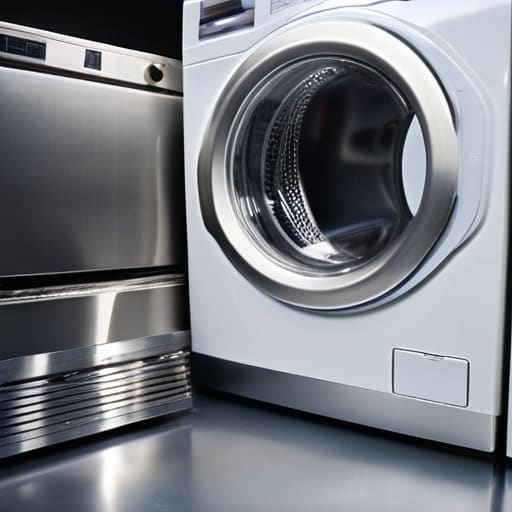
Back in the day, if you opened up a washing machine, you’d find heavy-gauge steel and thick plastic that actually felt like it had some substance to it. These machines were built like tanks, and they stayed that way because they had the mass to absorb their own movement. Nowadays, when I’m working on a newer model, it’s like opening a tin of biscuits. Manufacturers have moved toward thinner, cheaper plastics and lighter metals to save on shipping and production costs, but the impact of lightweight materials on sound is immediate. Without that heavy casing to act as a buffer, every little shudder from the drum turns into a rattling echo.
It’s a bit of a joke, really. They try to fix this with fancy-sounding vibration reduction technology, adding little rubber pads or plastic spacers to dampen the noise. But you can’t fake physics; if the shell is thin, the machine is going to sing. To me, it feels like a subtle form of planned obsolescence in home appliances. They aren’t just making them louder; they’re making them feel flimsy, as if they’ll shake themselves to pieces long before the motor actually gives up the ghost.
A Death Sentence by Design Planned Obsolescence in Home Appliances
It’s not just about the materials; it’s about the clock ticking inside the circuit board. I’ve seen it time and again in my workshop—machines that are perfectly fine mechanically, but they’ve been built with a shelf life in mind. This isn’t a conspiracy theory; it’s just how the math works for the big manufacturers. When you look at planned obsolescence in home appliances, you start to see why that rattling sound isn’t just a loose bolt, but a sign that the entire unit is designed to reach its limit right around the time the warranty expires.
Instead of using heavy-duty bearings that can handle a decade of heavy loads, they use cheaper, plastic-housed alternatives. These parts might work well enough for a few years, but the mechanical component wear and tear happens at an accelerated rate. You’ll hear the motor start to struggle or a strange, high-pitched whine that wasn’t there during the first six months. They aren’t building these to be repaired; they’re building them to be replaced. It’s a heartbreaking way to run a business, especially when I know a simple part swap could have given that machine another ten years of life.
The Friction of Cheapness Mechanical Component Wear and Tear
It isn’t just the thin metal panels making all that racket; it’s what’s happening deep inside the guts of the thing. When I’m elbow-deep in a washing machine, I can usually tell within minutes if I’m looking at a design flaw or just basic mechanical component wear and tear. These days, manufacturers have moved away from heavy-duty bearings and solid brass fittings in favor of plastic pulleys and slimmer drive belts. These parts might save a few pence on the assembly line, but they don’t handle the heat or the constant spinning nearly as well as the old steel versions did.
Once those plastic bits start to lose their shape or the bearings lose their grease, you get a rhythmic, grinding sound that’ll keep you up at night. It’s a direct result of how modern appliance manufacturing materials are chosen—prioritizing weight savings over long-term durability. You’ll see it constantly: a machine that sounds like a jet engine taking off, not because the motor is failing, but because the internal components are literally vibrating themselves to pieces due to lack of mass.
When Motor Noise in Household Machines Becomes a Scream
When you’re standing in a kitchen and a washing machine starts sounding like a jet engine taking off, your first instinct is to think the motor has died. I’ve spent eighteen years pulling these things apart, and more often than not, the motor is fine—it’s just struggling against the physics of how it was built. We’ve moved away from heavy, solid-cast components toward much lighter, cheaper alternatives. This shift in modern appliance manufacturing materials means there’s nothing left to dampen the natural hum of a spinning motor. Instead of a low, steady thrum, you get a high-pitched, metallic whine that vibrates through the floorboards.
The real trouble starts when you factor in mechanical component wear and tear. In the old days, a bearing might last a decade; now, they’re often fitted with just enough tolerance to get you through the warranty period. Once those parts lose their factory-fresh smoothness, the motor noise in household machines stops being a hum and starts becoming a literal scream. It’s not a sign of a catastrophic failure, necessarily, but it is a sign that the machine is working much harder than it was ever designed to.
How to Quiet the Chaos Before You Call Me Out
- Stop ignoring the wobble. If your washing machine starts dancing across the kitchen floor, it isn’t “personality”—it’s unlevel feet or a worn-out shock absorber. A machine that isn’t balanced will tear itself apart, and once those internal components start banging against the thin outer casing, you’re never getting that silence back.
- Clean your filters like your life depends on it. I’ve seen more “broken” pumps than I can count, and ninety percent of the time, they weren’t broken; they were just choking on a stray sock or a buildup of hair and grit. A clogged filter makes the motor work twice as hard, and a struggling motor is a loud motor.
- Listen to the pitch of the scream. If your vacuum or dishwasher starts making a high-pitched whining sound, don’t just turn the volume up on the telly. That’s usually a bearing going or a belt slipping. Catching a mechanical whine early might save you a fifty-pound part; waiting until it’s a grinding roar will cost you the whole machine.
- Check your floor, not just the machine. Modern appliances are lighter and more sensitive to vibrations than the heavy steel beasts we used to have. If you’ve got a machine sitting on uneven tiles or a soft spot in the floorboards, it’s going to act like a drum. Sometimes a simple rubber anti-vibration mat does more than a toolkit ever could.
- Don’t overstuff the drum. It’s tempting to cram every last towel into the wash, but when the load is unbalanced, the machine spends the whole cycle fighting itself. That extra weight puts immense strain on the suspension, turning a quiet spin cycle into a rhythmic thumping that’ll keep the whole house awake.
The Short Version: What to Watch For
Most of that racket isn’t a catastrophic failure; it’s usually just cheap, thin metal vibrating or a motor struggling against a build-up of gunk that shouldn’t be there.
Don’t let a loud noise scare you into buying a new machine straight away—check your filters and clear the debris first, because half the time the “breakdown” is just a blocked hose.
We’ve traded heavy, quiet, built-to-last engineering for lightweight, noisy convenience, so you’ll need to be a bit more proactive with maintenance than your grandparents were.
The End of the Quiet Era
At the end of the day, the racket coming from your kitchen or laundry room isn’t just one thing; it’s a perfect storm of cheap materials, thinner housings, and motors that are being pushed harder than they were ever meant to go. I’ve seen it all—from the vibration of a plastic drum that’s too light to hold its own weight, to the high-pitched whine of a motor that’s essentially a ticking clock. We’ve traded the solid, heavy thud of the old machines for a lighter, louder, and ultimately more fragile experience. It’s a cycle of planned obsolescence wrapped in a noisy, vibrating package, designed to make you reach for a catalogue rather than a screwdriver.
But I don’t believe we have to just accept the noise as part of modern living. While the manufacturers might be leaning into the “throwaway” culture, there is still a way to fight back. If you take a little time to clean your filters, tighten a loose mounting bolt, or simply treat your machines with a bit of respect, you can extend their life and quiet their screams. Don’t let a little bit of friction turn a perfectly good appliance into scrap. We might be living in a louder world, but keeping things running is still a quiet, dignified act of rebellion.
Frequently Asked Questions
If my machine is making a new, grinding sound, is it a part I can actually fix myself or is it just a sign the whole thing is headed for the scrap heap?
It depends on where the sound is coming from, but don’t bin it just yet. If it’s a rhythmic grinding, it might just be a pebble or a stray coin stuck in the pump—a five-minute fix. If it’s a deep, metallic roar, you’re likely looking at worn bearings. Those are harder, but still doable if you’ve got the patience. Most people call it “dead,” but usually, it’s just a part crying out for a bit of grease or a replacement.
Are there any specific ways I can dampen the vibration in these newer, thinner machines without voiding my warranty?
Look, I’ve seen enough machines to know that manufacturers hate it when you tinker, but you aren’t “modifying” anything if you just level the feet. Most of these thin-shelled units vibrate because they aren’t sitting flat. Get a spirit level and ensure all four feet are firmly on the floor. If that’s not enough, buy some proper anti-vibration rubber mats. It’s external, it’s safe, and it won’t give a technician an excuse to void your warranty.
Can I actually extend the life of the motor by doing something specific, or is the noise just an inevitable part of how they're built nowadays?
Look, you can’t change how they were engineered, but you can stop them from working harder than they have to. Most of that motor screaming is just it fighting against resistance. Keep your lint filters spotless and don’t overload the drum; it’s like asking a person to run a marathon with a backpack full of bricks. If you stop the build-up of gunk and weight, you’ll quiet the noise and keep that motor spinning longer.
