









I’ve lost count of how many times I’ve stood in a customer’s kitchen, listening to them explain why they need a brand-new machine because the clothes are coming out smelling like damp basement. They’ll tell you the electronics are shot or the pump has given up the ghost, but more often than not, the culprit is just a neglected washing machine drawer and dispenser. I’ve pulled out hundreds of these plastic trays over the last eighteen years, and frankly, it’s rarely a mechanical failure—it’s usually just a thick, slimy buildup of old detergent and fabric softener that’s turned the whole thing into a science experiment.
I’m not here to sell you a fancy new appliance or a complicated chemical kit that costs more than the machine is worth. Instead, I’m going to show you exactly how to clear out that gunk and get things flowing properly again using nothing more than a bit of patience and some basic household items. I’ve opened more machines than most people will ever own, and I promise you, most of the time, a proper clean is all it takes to get your laundry back on track.
Understanding Washing Machine Drawer and Dispenser

Most people think the drawer is just a plastic tray where you dump the soap, but it’s actually the gateway to the whole machine. It’s a complex little bit of plumbing that manages how water and chemicals enter the drum. When you pull that drawer out, you’re looking at several different channels designed to time the release of your detergent and softener. If those channels get choked up, the water can’t flow right, and that’s when you start seeing those dreaded unwashed stains on your clothes.
In my eighteen years of tinkering, I’ve seen that the real enemy isn’t a mechanical failure; it’s the sludge. Whether it’s thick, waxy fabric softener residue removal issues or just a buildup of old powder, it all ends up sitting in the corners where you can’t see it. This gunk creates a perfect breeding ground for dampness, which is why you’ll often find yourself removing black mould from dispenser housings. It’s not just about looking tidy, though; it’s about making sure the machine actually gets the cleaning agents into the wash where they belong.
Key Things to Know
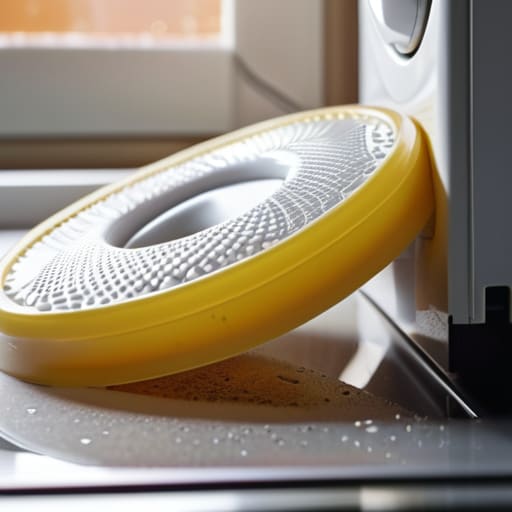
First things first: don’t go calling a technician the moment you see a bit of gunk. Most of the time, you aren’t looking at a mechanical failure; you’re just looking at a mess. I’ve seen people ready to scrap a perfectly good machine because the clothes came out smelling funny, when all they really needed was a bit of scrubbing. The biggest culprit is almost always preventing detergent buildup, which happens way faster than most people realize if they’re using too much soap.
You also need to get used to the fact that these little compartments are damp, dark, and warm—basically a luxury hotel for spores. If you see those nasty little black spots, don’t panic, but don’t ignore them either. Removing black mould from dispenser areas is a regular part of my job, and it’s usually just a matter of a stiff brush and some vinegar. If you make it a part of your basic washing machine maintenance routine to give the drawer a quick rinse once a month, you’ll save yourself a lot of headache down the line.
Practical Tips and Steps
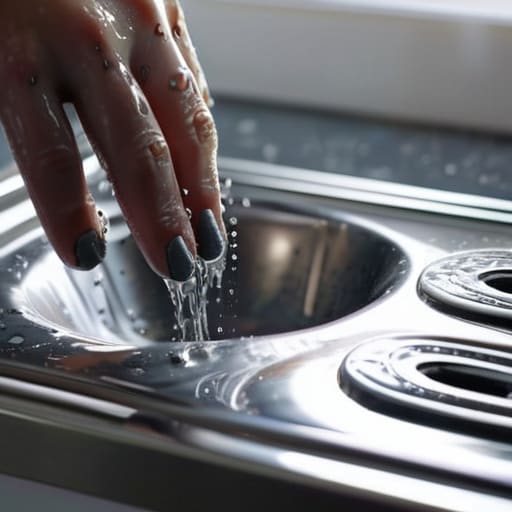
First, don’t just stare at it; pull the whole thing out. Most drawers have a little tab you press to release it from the housing. Once it’s in your hands, you’ll see what I mean—it’s usually caked in a thick, grey sludge of old soap and lint. I like to soak the drawer in a sink of warm, soapy water, but the real trick is getting into those tiny little nooks where the liquid sits. If you see dark spots, you’re likely removing black mould from dispenser housings and the drawer itself. Use an old toothbrush to scrub the corners; it’s the only way to actually get the gunk out.
While you’re at it, take a cloth and wipe down the inside of the cavity where the drawer actually sits. People always forget this part, but that’s where the fabric softener residue removal really matters. If you leave that slime there, it just drips right back into the machine. Making this a part of your regular washing machine maintenance routine—maybe once a month—stops the smells before they start. It’s a ten-minute job that saves you a much bigger headache later.
Common Mistakes to Avoid
The biggest mistake I see is people treating the dispenser like it’s a “set and forget” part of the machine. They keep pouring liquid soap and softener into a slot that’s already half-clogged with sludge, thinking the machine just isn’t cleaning properly. In reality, you’re just layering new gunk on top of the old. If you aren’t making preventing detergent buildup a regular part of your chores, you’re eventually going to end up with a drawer that won’t even slide out.
Another blunder is ignoring the underside of the drawer and the housing itself. I’ve opened plenty of machines where the electronics were perfectly fine, but the whole unit was choked with thick, black slime. People try to scrub the plastic, but they forget to reach into the ceiling of the compartment where the water jets are. If those holes are blocked, the water won’t flush through, and you’ll just be left with a mess. Don’t skip the deep stuff; a bit of scrubbing now saves you a call-out fee later.
Final Thoughts
At the end of the day, it’s really not about the expensive electronics or the fancy digital displays. Most of the “faults” I see when I’m called out to a job in Bristol are just the result of a bit of neglect in the small places. If you make preventing detergent buildup a regular habit rather than a yearly chore, you’ll save yourself a lot of headache and a lot of money. It’s much easier to spend ten minutes scrubbing a plastic tray than it is to wait for a technician to tell you a pump has failed because it was choked with gunk.
I’ve seen too many perfectly good machines sent to the scrap heap just because the owner couldn’t be bothered to deal with a bit of grime. Incorporating a quick check into your washing machine maintenance routine is the best way to keep things running smoothly. Don’t wait until you see black spots or smell something off. Just keep it clean, keep it dry, and it’ll serve you well for years. It’s simple, really.
Five things I’ve learned from pulling out a thousand drawers
- Don’t just rinse it under the tap; use an old toothbrush. All that leftover fabric softener turns into a sort of gummy sludge that a quick splash of water won’t touch, and it’ll keep building up until the whole thing is blocked.
- Check the ceiling of the compartment. People always forget to look up into the hole where the drawer sits. If that’s coated in mould or old soap, it’s just going to drip right back down into your clean clothes.
- Stop using so much softener. I can’t tell you how many times I’ve seen a machine “fail” to rinse properly, only to find the dispenser is choked solid with thick, waxy softener residue. It’s overkill, really.
- Dry the drawer properly after a deep clean. If you shove a soaking wet drawer back into a dark, damp machine, you’re just inviting mould to move in and make itself at home by next week.
- Take the drawer out entirely once a month. Most people just try to wipe around it, but if you don’t actually pull the thing out and scrub the tracks, the gunk just sits there, hiding in the corners.
The bottom line
Most “broken” machines are just choking on old soap and hair; give the drawer and the filter a proper clean before you call a repairman.
Stop overdoing the liquid detergent—it’s the quickest way to turn your dispenser into a crusty, clogged mess that won’t let water through.
A bit of regular maintenance saves you a fortune, because a five-pound part or a bit of elbow grease is a lot cheaper than a new machine.
A Bit of Common Sense
At the end of the day, keeping your dispenser in good nick isn’t about being a technical wizard; it’s just about not letting the gunk build up. If you remember to pull that drawer out every now and then, give it a scrub, and make sure you aren’t overdoing it with the liquid softener, you’ll save yourself a massive headache. Most of the “faulty” machines I see on service calls aren’t actually suffering from a mechanical failure—they’re just choking on a layer of old, crusty soap and hair. Don’t let a five-pound cleaning job turn into a three-hundred-pound repair bill just because you were too busy to rinse a bit of plastic.
I’ve spent eighteen years looking at the guts of these machines, and I can tell you that they aren’t nearly as temperamental as people think. They just need a little bit of basic, honest maintenance to keep running smoothly. We live in a world where everything is designed to be tossed in a skip the moment it acts up, but there is a real satisfaction in making things last. Take five minutes to clear out that drawer today. You’ll find that most of the time, the machine wasn’t broken at all—it was just waiting for you to give it a bit of a clean.
Frequently Asked Questions
If I see black gunk or mould growing in the corners of the drawer, is that a sign the machine is actually dying, or can I just scrub it away?
Don’t panic; your machine isn’t dying. I’ve seen plenty of people nearly call me out for a “broken” washer when the real culprit was just a bit of black sludge in the drawer. It’s just mould and old detergent buildup. It looks grim, I know, but it’s not a mechanical failure. Grab an old toothbrush and some white vinegar, give those corners a good scrub, and you’ll be fine. It’s just neglect, not a death sentence.
Is it worth buying a specific type of liquid softener, or am I just going to end up clogging the dispenser up again with thick residue?
Honestly, don’t bother with those fancy, ultra-thick liquids. They look great on the advert, but in my experience, they’re a nightmare. They tend to turn into this gummy, gelatinous sludge that clings to the walls of the dispenser. It’s a recipe for a clog. Stick to the standard stuff, or better yet, use a bit more water to dilute it. If it’s thick enough to resist a pour, it’s thick enough to ruin your machine.
Sometimes the detergent doesn't even make it into the drum—does that mean the internal pipes are blocked, or is it just a problem with how I'm filling the drawer?
It could be either, but don’t go tearing the machine apart just yet. If you’re overfilling the drawer or using too much thick, non-bio liquid, it won’t flow properly. However, if the drawer looks clean but the drum stays dry, you’ve likely got a buildup of old, gummy detergent in the internal siphon. I’ve seen it a hundred times—the pipes aren’t “broken,” they’re just choked with sludge that needs a good hot flush.
