







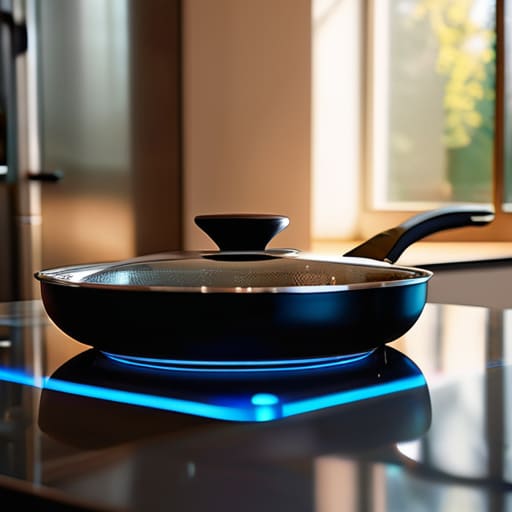

I spent most of yesterday elbow-deep in a customer’s dishwasher, and it got me thinking about how much stress people put themselves through when they’re picking out new kitchen gear. You go into a showroom and suddenly you’re caught in this massive debate of induction versus gas hobs, with sales reps acting like one is a miracle and the other is a dinosaur. I’ve seen enough “state-of-the-art” tech end up in my scrap pile because it was too finicky to actually use, while people cling to gas just because they’re afraid of change. It’s rarely about which one is better in a vacuum; it’s about which one is actually going to survive your daily life without becoming a headache.
I’m not here to sell you on some shiny lifestyle dream or a fancy gadget that’ll break the moment a sensor gets a bit of grease on it. What I can give you is the view from the other side of the workbench. I’m going to strip away the marketing fluff and tell you exactly how these two setups hold up when they’re actually being used to cook a Sunday roast. You’ll get the honest truth about maintenance, heat control, and which one is actually worth your hard-earned money.
Gas Hobs
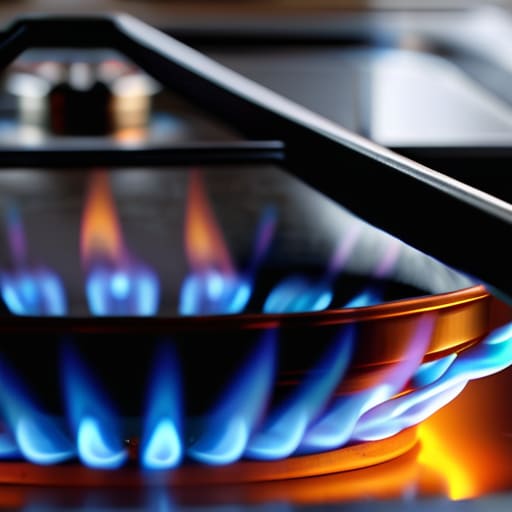
Gas hobs are cooking surfaces that use a controlled flame, fueled by natural gas or bottled LPG, to transfer heat directly to your pans. The core mechanism relies on a burner nozzle that mixes gas with air to create a visible, adjustable flame, offering the primary selling point of instantaneous heat control. You turn the dial, the flame jumps, and you’re cooking immediately without waiting for an element to warm up.
In my eighteen years of tinkering with kitchen setups, I’ve seen how much people rely on that tactile connection to their food. There’s something honest about watching a blue flame dance under a copper pan; it tells you exactly what’s happening in real-time. When I’m restoring an old cast iron skillet, I want to feel that raw, direct heat hitting the metal. It’s a bit more finicky to clean—especially those little burner caps that collect grease—but for many, that ability to feel the heat is worth the extra scrubbing.
Induction Hobs
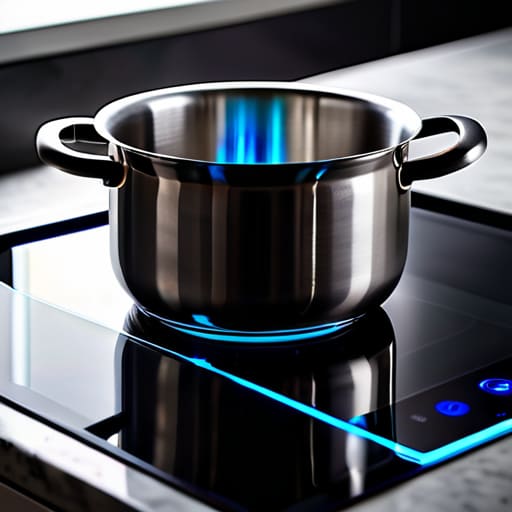
Induction hobs are streamlined cooking surfaces that use electromagnetic energy to heat your cookware directly, rather than heating a burner or a glass top. Instead of a flame or a glowing coil, these units use a copper coil underneath the ceramic surface to create a magnetic field, which makes the pan itself the heat source. The main selling point here is incredible efficiency and a surface that stays relatively cool to the touch.
I’ve opened enough broken appliances to know that heat is usually the enemy of longevity, so seeing how induction works is a bit of a revelation. Because the energy goes straight into the pot instead of bleeding out into the kitchen air, it’s unbelievably precise. I’ve noticed that people who switch over often comment on how much easier it is to keep the kitchen from turning into a sauna on a summer afternoon. It’s a cleaner, more modern way of doing things, even if it lacks the old-fashioned charm of a flickering flame.
Comparison of Induction vs. Gas Hobs
| Feature | Induction | Gas |
|---|---|---|
| Heating Mechanism | Electromagnetic fields | Open flame combustion |
| Speed of Cooking | Extremely fast | Moderate to slow |
| Temperature Control | Precise digital control | Visual flame adjustment |
| Energy Efficiency | Very high (approx. 90%) | Lower (approx. 40%) |
| Cleaning Ease | Very easy (flat glass) | Difficult (grates and burners) |
| Safety Level | High (surface stays cool) | Moderate (open flame risk) |
| Best For | Precision and speed | Traditional cooking and charring |
Understanding Induction Versus Gas Hobs
If you’re choosing between these two, you aren’t just picking a way to cook; you’re deciding how much mechanical complexity you want living in your kitchen. I’ve spent nearly two decades pulling apart everything from burnt-out heating elements to clogged gas valves, and I can tell you that understanding how these two actually function is the difference between a reliable tool and a future headache.
Gas is straightforward—it’s a literal flame, a simple valve, and a bit of air. It’s honest work. If a burner goes, you usually just clean the jet or replace a cheap part. Induction, however, is a different beast entirely. It relies on electromagnetism to turn the pot itself into the heat source. There’s no flame, just a magnetic field buzzing away beneath a glass surface.
The practical reality is that gas is easy to fix if you’ve got the knack, but induction is incredibly precise. While gas gives you that visual feedback of a flickering flame, induction offers unrivalled temperature control that gas simply can’t match without constant fiddling.
For pure, predictable mechanics, gas wins. But for sheer, controlled power, induction takes the prize.
Key Things to Know
When you’re staring at a kitchen remodel, it’s easy to get lost in the shiny brochures, but you need to look at the actual reality of daily use. Choosing between these two isn’t just about heat; it’s about how much effort you want to put into your kitchen every single day.
With gas, you’ve got that immediate, visible flame that tells you exactly what’s happening, but it’s a messy business. You’re constantly wiping down grates and dealing with ambient heat that turns your kitchen into a sauna. Induction is the polar opposite. It’s incredibly precise, but you have to be mindful that your cookware needs to be magnetic or you’re essentially left with a very expensive, very flat piece of glass that won’t do a thing.
The practical side is where they really split. Gas is forgiving with old pans, but induction is unbeatable for speed and cleaning. If you hate scrubbing burnt bits off a metal grate, induction wins. If you love the tactile feel of a flame, stick to gas.
For sheer ease of maintenance and control, induction takes the prize.
The Bottom Line
Don’t let the “fancy” label fool you; induction isn’t magic, it’s just physics, and if you want precision without the guesswork of a flame, it’s the winner.
If you’re used to the tactile feel of a gas knob and don’t want to swap out your entire collection of cookware, stick with gas—just be prepared for a bit more cleaning.
Before you pull the trigger on a new setup, check your pans; there’s no point investing in an induction hob if your favourite pots won’t even talk to it.
Making the Right Call
At the end of the day, choosing between these two comes down to what you actually value in your kitchen. If you want that immediate, tactile control and don’t mind the occasional bit of soot or the constant cleaning of metal grates, gas is your old friend. But if you’re looking for something that won’t heat up your entire house while you’re trying to simmer a sauce, induction is the clear winner. It’s faster, much easier to wipe down, and frankly, it’s a far more efficient way to cook. You aren’t just buying a piece of kit; you’re deciding how much time you’ll spend scrubbing burners versus actually enjoying your dinner.
I’ve spent nearly two decades pulling apart machines that people thought were dead, only to find they just needed a bit of attention and the right tool for the job. Whether you stick with the flame or go for the magnetic precision of induction, just make sure you treat your appliances with respect. Don’t just toss a cooktop because it’s acting up; learn how it works, keep it clean, and it’ll serve you well for years. A good kitchen isn’t built on the fanciest gadgets, but on the tools you know how to look after.
Frequently Asked Questions
If I switch to induction, will I have to bin all my current pans, or can I just get some adapters?
Don’t go binning anything just yet. If your current pans are magnetic—test them with a fridge magnet; if it sticks, you’re golden—they’ll work fine. If they aren’t, you can buy induction interface discs. They’re basically metal plates that sit on the hob to bridge the gap. They work, but they’re a bit clunky and slow down the heat. Personally, I’d rather save the money and just buy a proper cast iron skillet.
How much of a headache is it to clean an induction surface compared to just wiping down a gas grate?
If you’re looking for a fight, go with gas. Cleaning a gas hob is a proper job—you’re scrubbing grates, clearing out spilled sauce from burner heads, and dodging grease traps. It’s messy. Induction is different. It’s just a flat sheet of glass. If something boils over, you wipe it up and you’re done. Just don’t let sugar sit on it, or it’ll pit the surface. Honestly, for my wrists, induction wins every time.
Is the precision of induction actually worth the extra cost, or am I just paying for a fancy bit of tech?
Look, I’ve spent eighteen years pulling apart machines that people tossed just because they didn’t understand how they worked. If you’re a cook who actually cares about temperature, that extra cost isn’t just for “tech”—it’s for control. With gas, you’re constantly chasing the flame; with induction, the heat is just there the moment you ask for it. It’s not a luxury; it’s the difference between guessing and knowing.
