








Don’t let the salespeople lure you in with those fancy touchscreens and Wi-Fi connectivity that’ll probably stop working the moment the software updates. I’ve spent eighteen years pulling apart appliances in Bristol, and I can tell you right now that a smart oven isn’t a smart investment if the heating element is made of cheap, thin metal. When people ask me how to choose an oven, they usually think they need the most expensive model on the showroom floor, but most of the time, they’re just paying for features they’ll never use and a control board that’s a nightmare to replace when it inevitably glitches.
I’m not here to sell you on anything; I’m here to tell you what actually stays working. I’ve opened up more machines than most people will own, and I know exactly where the build quality fails and where it holds true. In this guide, I’m going to skip the marketing fluff and show you how to spot a properly built machine by looking at the things that actually matter—like insulation, door seals, and component accessibility. We’re going to focus on longevity over luxury, so you can buy something that actually cooks your dinner instead of just looking pretty in your kitchen.
The Secret to How to Choose an Oven That Never Fails
If you want an oven that actually lasts, you have to stop looking at the digital displays and start looking at the guts. Most people get caught up in whether they want built-in vs freestanding ovens because of how they look in a showroom, but I’m looking at the wiring and the door hinges. A cheap oven might look grand on day one, but if the heating elements are flimsy or the seals are thin, you’ll be calling a technician within two years. I’ve seen far too many “modern” units end up in the scrap heap simply because a single control board fried or a door latch snapped.
The real secret is finding a machine built with serviceability in mind. When I’m looking at a model, I check if the panels are easy to pop off. If a technician can’t get to the heating element without a degree in rocket science and a dozen specialized tools, you don’t want it in your kitchen. You want something where a simple part replacement can save the whole unit. It’s about choosing a machine that’s meant to be repaired, not just replaced.
Built in vs Freestanding Ovens What the Schematics Reveal
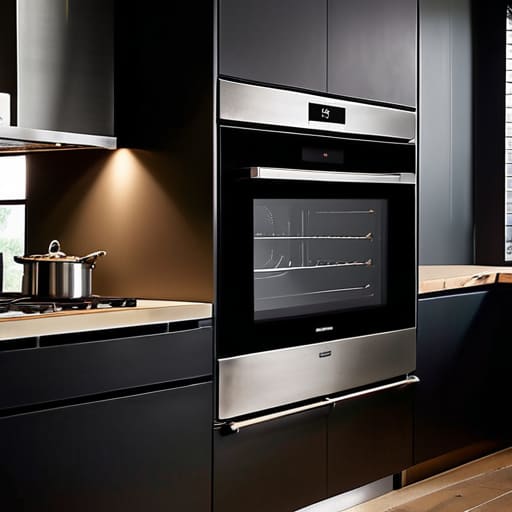
When I’m looking at the guts of a kitchen, the debate between built-in vs freestanding ovens usually comes down to how much you value accessibility over aesthetics. I’ve pulled apart enough freestanding units to know they’re easier to get at when something goes wrong; you can just wheel them out, unhook the cables, and get to work. Built-in models look much sharper in a modern kitchen, but they can be a nightmare if they’re wedged into a tight cabinet space with no room for a screwdriver to actually move.
From a technical standpoint, the schematics tell a story of heat management. Freestanding units are often designed to vent heat from the sides or top, which is why they can feel a bit more robust for heavy, daily use. Built-ins, however, are often more integrated with specific oven cleaning technologies like pyrolytic systems, which rely on the surrounding cabinetry being well-ventilated to avoid overheating the wood. If you’re tight on space, you need to double-check your kitchen appliance dimensions twice—there’s nothing worse than a technician having to dismantle half your cupboards just to reach a faulty heating element.
Mastering Convection Oven Benefits and Energy Efficient Cooking
When people ask me about the difference between a standard bake and a fan-assisted model, they’re really asking about the convection oven benefits. I’ve seen far too many people buy a basic unit only to realize they’re fighting uneven heat every time they roast a chicken. A convection oven uses a fan to circulate that hot air, which means you aren’t stuck with cold spots or burnt edges. It’s not just about fancy features, though; it’s about consistent heat distribution that actually makes your food cook properly without you having to babysit it.
If you’re looking into energy efficient cooking, the fan is your best friend. Because the heat is moving, the oven reaches temperature faster and stays there more effectively, which means it isn’t drawing power constantly to compensate for heat loss. It’s a bit like the difference between a drafty old room and one with a steady heater. Just keep in mind that once you get used to the speed and efficiency of a fan oven, going back to a traditional static model feels like a massive step backward.
Calculating Kitchen Appliance Dimensions and Your Oven Capacity Guide
I’ve seen too many people order a beautiful new unit only to find it won’t fit through the kitchen door, or worse, it leaves a gap in the cabinetry that collects nothing but dust and crumbs. When you’re looking at kitchen appliance dimensions, don’t just trust the glossy brochure. Get a tape measure and check your clearances—not just the width, but the depth too. If you’re deciding between built-in vs freestanding ovens, remember that a built-in model requires precise millimetre-perfect housing, whereas a freestanding one gives you a bit more breathing room if your walls aren’t quite straight.
Then there’s the matter of what actually goes inside. I always tell people to use an oven capacity guide based on their actual cooking habits rather than just picking the biggest box available. If you’re a solo cook, a massive cavity is just more air to heat, which isn’t great for energy efficient cooking. However, if you’re hosting Sunday roasts for a crowd, you’ll regret buying a small unit the moment you try to cram a large turkey in there. Measure your largest trays before you commit.
Why I Prioritize Advanced Oven Cleaning Technologies
I’ve spent eighteen years pulling grease-caked trays out of machines that people thought were “dead” simply because they couldn’t handle the maintenance. When people ask me about the best way to pick a model, they usually focus on the dials or the digital display, but I always look at the oven cleaning technologies first. If a machine is a nightmare to clean, you aren’t going to do it properly. You’ll end up letting carbon and burnt-on fat build up until it starts affecting the heating elements or the fan motor.
I’ve seen too many people try to save a bit of money on a cheaper unit, only to end up with a heavy, sludge-filled mess that ruins the heating consistency. Whether you are looking at built-in vs freestanding ovens, the cleaning mechanism is what determines the machine’s lifespan. A good pyrolytic system or even a decent catalytic liner isn’t just a luxury; it’s a way to ensure you aren’t scrubbing away the life of the appliance. If you can’t keep it clean, you’re just inviting a repair call-out down the line.
Five things I look for before I even pick up a screwdriver
- Don’t get blinded by the touchscreens. I’ve seen enough control boards fry because someone spilled a bit of sauce on a sensitive circuit. If you can, go for something with tactile knobs or buttons that feel substantial; they’re much harder to kill and easier to replace if they do go wrong.
- Check the accessibility of the heating elements. When I’m looking at a machine, I want to know if I can actually get to the parts that matter without having to strip the whole thing down to the chassis. If the design makes it a nightmare to reach the internals, walk away.
- Look at the door hinges and the seal. It sounds basic, but a flimsy door or a cheap rubber seal is a recipe for heat loss and a premature death sentence for the oven. Give the door a firm tug—it should feel solid, not bouncy or loose.
- Avoid the “smart” trap if you can. A Wi-Fi-connected oven doesn’t cook a chicken any better than a standard one, but it does give you one more complicated computer chip that can fail and leave you with a very expensive, very dumb metal box.
- Inspect the rack system. It’s a small thing, but if the rails are flimsy or poorly designed, they’ll warp or jam within a couple of years. You want heavy-duty, smooth-sliding tracks that can handle the weight of a heavy cast iron pan without buckling.
The bottom line on your next oven
Don’t get blinded by a touchscreen; look for heavy-duty hinges and thick door seals, because those are the bits that actually fail first.
Choose a model that’s easy to strip down and clean, otherwise you’ll end up with baked-on grease that’ll eventually ruin the heating elements.
Size matters more than capacity—make sure you’ve actually measured your housing twice, because a machine that doesn’t fit perfectly is a nightmare to service when it eventually needs a part.
One Last Look Before You Buy
At the end of the day, picking an oven isn’t about finding the one with the most bells and whistles or the prettiest digital display. It’s about understanding what’s happening behind the metal casing. We’ve talked about looking past the marketing fluff to check the build quality, deciding between the practicalities of built-in versus freestanding, and ensuring you aren’t buying a machine that’s impossible to clean. Whether you’re prioritizing convection for better cooking or making sure the dimensions actually fit your kitchen layout, the goal is the same: buying something that stays in your kitchen instead of ending up in a landfill because of a minor, preventable fault.
I’ve spent eighteen years pulling apart machines that people swore were dead, only to find a simple blockage or a loose connection. If you choose an oven based on longevity and ease of maintenance rather than just how it looks in a showroom, you’re already ahead of most people. Don’t be fooled by the shiny knobs and the fancy touchscreens; look for the machine that feels solid and makes sense. Buy something you can actually look after, and I promise you, it’ll be looking after you for a long, long time.
Frequently Asked Questions
If I buy a high-end model with all the bells and whistles, am I just making it harder to fix when a circuit board eventually goes?
Short answer? Yes. You’re essentially buying a computer that happens to cook your Sunday roast. Every “smart” feature—the Wi-Fi connection, the touchscreen, the fancy sensors—is just another potential point of failure. When a simple heating element goes on a basic model, it’s a ten-minute fix. When a proprietary circuit board fries on a high-end unit, you’re looking at a specialist, a massive bill, and a lot of waiting around for parts.
Are those fancy self-cleaning cycles actually good for the oven, or do they just burn out the heating elements faster?
Look, I’ve seen enough burnt-out elements to know the truth. Pyrolytic cleaning—the kind that gets hot enough to turn grease to ash—is a bit of a double-edged sword. It’s brilliant for saving your elbows from scrubbing, but that extreme heat puts a massive strain on the internal components. If you use it every single week, you’re asking for trouble. My advice? Use the fancy cycle for the big messes, but don’t let it become a habit.
When I'm looking at these spec sheets, how can I tell if the door seal is actually going to last, or if it's just cheap rubber that'll perish in a year?
You can’t tell just by looking at a spec sheet, because manufacturers won’t list the rubber grade. You have to look at the door itself. If the hinge looks flimsy or the door feels light, that seal is going to be rubbish. Look for a heavy-duty, thick gasket that sits deep in its groove. If it feels like thin, flimsy silicone, walk away. I’ve seen too many “new” ovens end up in my workshop because of a perished seal.
