









I was elbow-deep in a Bosch washing machine in a damp kitchen in Bedminster last Tuesday when it hit me again. The customer was convinced she needed a brand-new, high-end model because her current one had “died,” but all it really needed was a bit of elbow grease on a clogged pump. People get so caught up in the shiny logos and the fancy marketing, but after eighteen years of this, I’ve realized that when you look at appliance brands and what they share, the truth is much simpler. Most of these big names are just wearing different coats of paint over the exact same internal guts.
I’m not here to sell you on some premium subscription or a luxury lifestyle. I’m here to tell you what I’ve actually seen when I’ve cracked open a thousand different machines. I’ll be pulling back the curtain on the common components, the shared engineering quirks, and the hidden similarities that mean you don’t always need to pay the “brand tax.” My goal is to help you understand what’s actually under the hood so you can stop throwing away perfectly good machines just because of a missing five-pound part.
Understanding Appliance Brands and What They Share
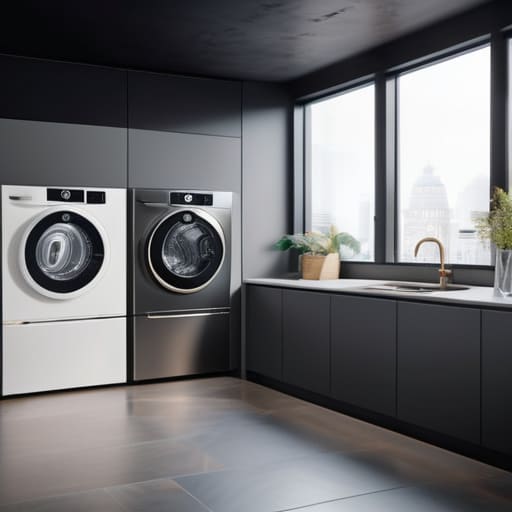
When you’re standing in a customer’s kitchen in Bristol, looking at a high-end washing machine that’s supposedly “dead,” you start to see the patterns. Most people think every brand is its own little island, but that’s not how the business works. If you look at an appliance parent companies list, you’ll realize that half the logos on the front of these machines belong to the same handful of massive white goods manufacturing groups. It’s a bit like looking at a fleet of cars and realizing they’re all just different colored shells over the exact same engine.
Because of this, I spend a lot of my time dealing with interchangeable appliance parts. I’ve pulled a heating element out of a machine branded as one thing, only to find it fits perfectly into a much “fancier” model from a different name. These brands rely on shared appliance platforms to keep their costs down, which is actually a bit of a blessing for those of us trying to fix them. It means I don’t always have to hunt for a specific, overpriced part; often, the “generic” version from the parent company is exactly what the machine was built to use.
Key Things to Know
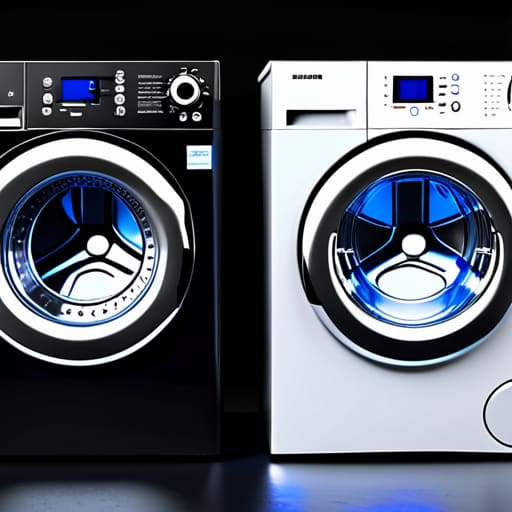
If you’re looking at a shiny new washing machine, don’t let the logo fool you into thinking it’s a unique piece of engineering. Most of the big names you see in the shops are actually just different faces on the same body. When you look at an appliance parent companies list, you start to see how much is actually happening behind the scenes. It’s common practice for these massive white goods manufacturing groups to use the same internal skeletons across five or six different brands. I’ve seen it a hundred times: a high-end machine and a budget model both pulling from the exact same design blueprints.
This is why I don’t panic when a customer tells me they can’t find a specific part for their specific model. Because of these shared appliance platforms, you often find that interchangeable appliance parts are much more common than the manuals suggest. A pump or a belt from a brand you’ve never heard of might fit that expensive machine in your kitchen perfectly. It’s not magic; it’s just how the industry works to keep costs down.
Practical Tips and Steps
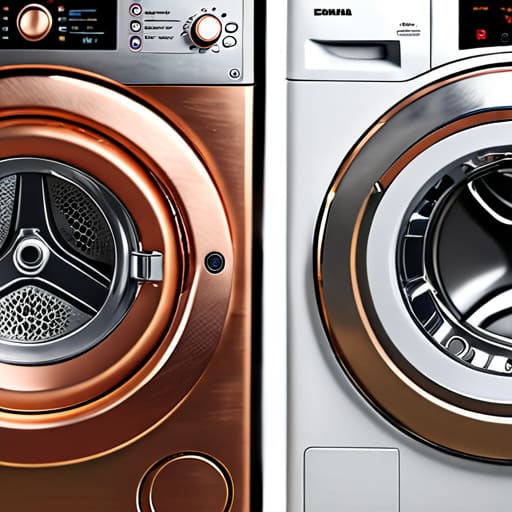
If you’re looking to save a machine from the scrap heap, stop looking at the shiny logo on the front and start looking at the model number on the sticker. Most of the time, you aren’t dealing with a unique piece of technology; you’re dealing with shared appliance platforms. I’ve spent many an afternoon in Bristol realizing that a “premium” brand and a “budget” brand are often just wearing different colored plastic skins over the exact same motor. Before you go out and buy an expensive replacement part, check an appliance parent companies list online. You might find that the part you need for your expensive washer is actually the same one used in a much cheaper model.
When you’re hunting for spares, don’t get hung up on brand names. I’ve become quite a specialist at finding interchangeable appliance parts because, quite frankly, the big white goods manufacturing groups don’t want you to know how much they overlap. If you can find the part number rather than the brand name, you’ll often find it’s half the price elsewhere. It’s all about looking past the marketing and seeing the guts of the machine for what they really are.
Common Mistakes to Avoid
The biggest mistake I see—and it breaks my heart every time—is people assuming that because a brand name looks fancy on the front, the guts inside are unique. They’ll see a high-end washing machine from one name and a budget model from another, and they assume they’re worlds apart. In reality, most of these machines are built on shared appliance platforms. If you’re looking for a replacement part, don’t just search by the brand name on the door; you’re often looking for the same generic motor or pump used across five different labels.
Another blunder is ignoring the reality of major appliance manufacturer conglomerates. People get hung up on brand loyalty, not realizing that the same parent company often owns three or four different labels in your kitchen. If you’re hunting for a specific component, stop looking at the logo and start looking at the model number. Once you understand how these white goods manufacturing groups operate, you’ll realize that a part for a “premium” machine is often identical to the one in the cheap version. Don’t pay for the badge when the hardware is the same.
Final Thoughts
At the end of the day, it’s a bit of a joke how much we pay for a name on the front of a machine when the guts are identical. I’ve spent nearly two decades pulling these things apart, and once you look past the shiny plastic panels, you start to see the patterns. Most of what you’re buying comes from the same handful of major appliance manufacturer conglomerates. Whether you’ve bought a high-end model or a budget version, there’s a very good chance they were built on the same shared appliance platforms.
If you’re looking to save a bit of money on a repair, don’t just assume you need a part specifically branded for your machine. I often find that interchangeable appliance parts are much easier to come by than the manufacturer would like you to believe. If you know how to look, you’ll find that many of these brands are just different outfits working for the same parent company. Stop throwing things away just because a shop tells you a part is “out of stock”; sometimes, the right fix is just sitting in a different box.
Five things I've noticed after looking under the hood
- Don’t get blinded by the fancy logo on the front. Once I get the casing off, I often find that a high-end brand and a budget one are using the exact same pump or heating element. They’re just different coloured plastics on the outside.
- Keep an eye out for “white label” parts. A lot of these big manufacturers don’t actually make every single component themselves; they buy them from the same big suppliers. If you find a part number that works for one, it’ll likely work for three others.
- Learn the common denominators. If you’re fixing a Bosch and a Siemens, you’re often looking at the same internal layout. Once you learn the logic of one, you’ve basically learned the logic of half the kitchen.
- Stop looking for “brand-specific” fixes before checking the basics. Most “brand failures” I see are actually just the same old issues—a blocked filter or a worn belt—that happen regardless of how much you paid for the machine.
- Check the part numbers, not the brand names. If you’re hunting for a replacement, ignore the marketing fluff and search for the actual component code. It’ll save you a fortune and stop you from buying something you don’t actually need.
The Short Version
Don’t let a fancy brand name fool you; most of these machines are built on the same basic engineering, so a problem in one is usually a problem in another.
Most “broken” appliances are just crying out for a bit of maintenance, like a cleared filter or a bit of unblocking, rather than a costly new motor.
Before you bin it, look for the simple stuff—half the time, the machine isn’t dead, it’s just being stubborn because of a five-pound part you can fix yourself.
A Final Look Under the Hood
At the end of the day, whether you’ve bought a high-end brand or a budget model, the logic remains the same. Most of these machines are built on the same fundamental principles, using similar pumps, motors, and heating elements that are often interchangeable if you know where to look. I’ve spent eighteen years pulling out clogged filters and clearing blocked hoses, and more often than not, the “brand name” isn’t what fails; it’s the lack of basic maintenance. If you understand that these machines share the same guts, you stop seeing a broken appliance as a total loss and start seeing it as a simple fix waiting to happen.
My advice is to stop looking at a dead washing machine as a reason to head to the big-box retailer. Most of the time, the machine isn’t actually broken; it’s just being stubborn because it hasn’t been looked after. Before you even think about replacing something, take a moment to look inside. Check the filters, clear the debris, and give it a proper clean. There is a real satisfaction in knowing that you’ve saved a perfectly good machine from a landfill just by spending twenty minutes with a screwdriver and a bit of patience. It’s better for your pocket, and frankly, it’s much better for the planet.
Frequently Asked Questions
If most of these brands use the same internal parts, why does one machine cost twice as much as another?
It’s a fair question. If you strip away the fancy plastic casing and the shiny control panel, you’ll often find the same motor or pump inside a budget model and a premium one. The price jump usually comes down to build quality and “peace of mind” extras. You’re paying for thicker steel, better dampening so it doesn’t dance across the floor, and components that might last ten years instead of five. You’re buying the finish, not just the guts.
Can I actually swap a part from my old Bosch machine into my new Siemens if the model numbers don't match?
It’s a bit of a gamble, isn’t it? Here’s the thing: Bosch and Siemens are practically cousins—they’re both part of the same group, so they often share the exact same guts. If the part looks identical and the connections match, you might get lucky. But don’t just wing it. If the model numbers don’t line up, you risk a part that fits but burns out your motor. Check the part number itself, not just the machine.
When I'm looking for spares, should I be searching by the brand name on the front or the manufacturer's name hidden on the sticker inside?
Don’t bother with the name on the front. That’s just branding, and it won’t help you find the right part. You need to find that sticker—usually tucked behind the door or on the back—and look for the actual manufacturer’s model number. I’ve seen plenty of people order a Bosch pump for a machine that’s actually built by a different company using Bosch parts. Find the sticker, get the model number, and you’ll save yourself a headache.
