







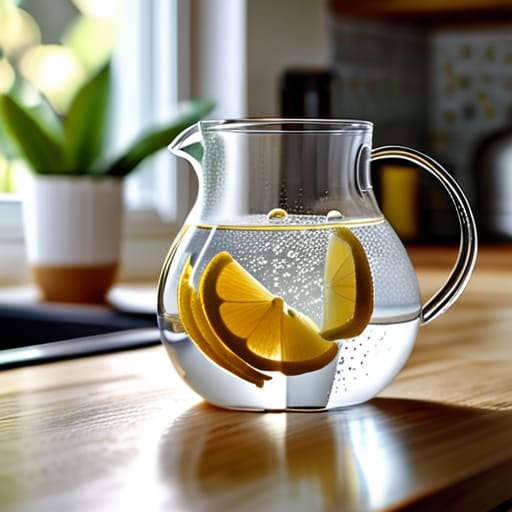

Don’t let those shiny, high-tech advertisements fool you into thinking you need a piece of laboratory equipment just to get a decent glass of water. Most people walk into a shop and get blinded by fancy digital displays or expensive branding, but when it comes to learning how to choose a water filter jug, the truth is much more mechanical than that. I’ve spent eighteen years pulling apart washing machines and vacuums, and I can tell you right now: if the housing is flimsy and the filter doesn’t seat properly, you’re just buying a very expensive way to leak water all over your kitchen counter.
I’m not here to sell you on some miracle purification system that costs more than a decent toaster. Instead, I’m going to show you what actually matters—the stuff that survives a week of real-world use. I’ll be looking at the build quality of the housing, how easily those cartridges actually swap out, and whether the filter design is built to last or just designed to be disposable junk. I’ve opened more machines than most people will ever own, and I promise to help you pick something that actually does its job without needing a replacement every fortnight.
Understanding How to Choose a Water Filter Jug
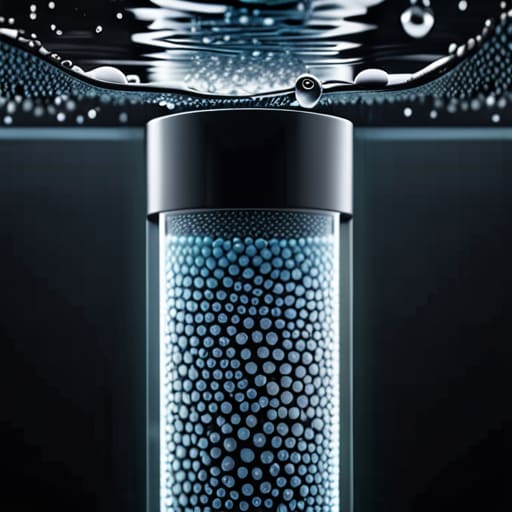
When you’re looking at these things on a shop shelf, don’t get distracted by the sleek, modern shapes. Most of them are just glorified plastic buckets. What you actually need to look at is the water filtration technology tucked away inside the cartridge. Some use simple activated carbon, which is fine for basic tastes, but if you’re worried about more serious stuff, you want something capable of removing chlorine and heavy metals effectively. I’ve seen plenty of people buy a cheap jug only to realize a month later that the water still tastes like a swimming pool because the filter wasn’t up to the task.
You also need to think about the practicalities of your kitchen, not just the aesthetics. Check the jug capacity and design against how many people are actually drinking from it; there’s nothing more annoying than having to refill a tiny jug five times just to make a pot of tea. Keep an eye on the filter replacement frequency, too. There’s no point in buying a beautiful piece of kit if the replacement parts are expensive or impossible to find. It’s all about finding something that actually lasts.
Key Things to Know
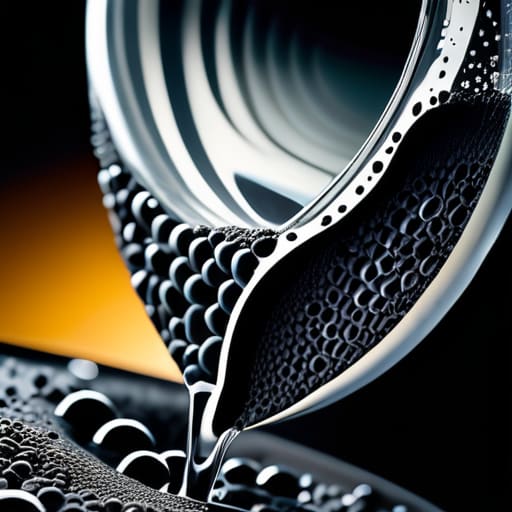
First things first, you need to look past the shiny plastic and actually check the water filtration technology inside. Most of these jugs use a basic activated carbon block, which is fine for removing chlorine and heavy metals, but it won’t do much if you’ve got hard water issues. If you live somewhere with particularly gritty tap water, a simple charcoal puck isn’t going to cut it. I’ve seen enough clogged systems in my time to know that if the filter can’t handle your local chemistry, you’re just pouring money down the drain.
Then there’s the practical side—the stuff people always forget until they’re standing in the kitchen at 7 AM. You have to consider the filter replacement frequency versus how much you actually drink. There’s no point in buying a massive, high-capacity jug if you’re going to be constantly swapping out expensive cartridges every two weeks. Check the jug capacity and design to make sure it actually fits in your fridge door, too. A massive jug is useless if it’s sitting on the counter getting warm because it won’t fit in the cooling zone.
Practical Tips and Steps
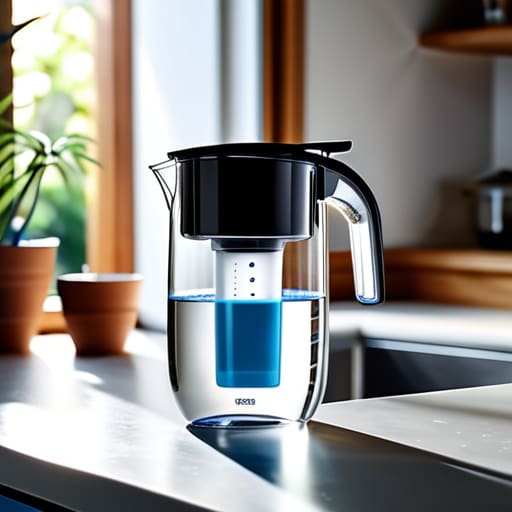
First, don’t get blinded by a fancy handle or a sleek shape. When I’m looking at a new piece of kit, I’m looking at the guts. Check the jug capacity and design to make sure it actually fits your lifestyle; there’s nothing more annoying than a jug that takes up half your fridge or requires a constant refill every time you pour a tea. Look closely at how the filter sits in the housing. If it looks like it’s going to be a struggle to click in or out, leave it on the shelf. You’ll be doing this regularly, so don’t buy something that makes your life harder.
Next, be realistic about the upkeep. You need to know exactly what kind of water filtration technology is inside—whether it’s activated carbon or something more complex—because that dictates how often you’ll be spending money on replacements. I’ve seen too many people buy a cheap unit only to realize the replacement filters cost more than the jug itself. Keep an eye on the filter replacement frequency before you tap your card. If the manufacturer doesn’t make the maintenance easy or affordable, it’s just another bit of plastic headed for the scrap heap.
Common Mistakes to Avoid
The biggest blunder I see is people getting blinded by a fancy-looking jug and ignoring the actual water filtration technology inside. You’ll see these sleek, slim designs in shop windows that look lovely on a granite countertop, but they’re often a nightmare to actually use. If the jug capacity and design don’t allow you to easily reach the filter or scrub the reservoir, you’ll end up with a slimy mess of biofilm and bacteria within a week. A jug is a tool, not a piece of decor, and if it’s too fiddly to clean, you won’t do it.
Another mistake is treating the filter like a “set it and forget it” gadget. I’ve seen plenty of people complain about a funny taste, only to find they’ve ignored the filter replacement frequency entirely. If you aren’t keeping track of when that cartridge expires, you aren’t actually removing chlorine and heavy metals anymore; you’re just passing tap water through a very expensive, dirty sponge. Don’t just buy the cheapest one on the shelf and hope for the best; if you don’t have a plan for the maintenance, you’re just wasting money.
Final Thoughts
Look, at the end of the day, you don’t need the most expensive gadget on the shelf to get decent water. I’ve spent nearly two decades pulling hair and limescale out of machine pumps, and I can tell you that people often overcomplicate things. If you focus on the basics—getting a decent jug capacity and design that actually fits in your fridge and a filter that does its job—you’re already ahead of most. Don’t get distracted by flashy lights or digital displays that will just break in a year; they’re usually just more plastic for the landfill.
Just keep an eye on your filter replacement frequency. A filter that’s sat in a jug for six months isn’t doing you any favours, no matter how much you paid for the initial setup. If you choose something sensible, focus on removing chlorine and heavy metals effectively, and you won’t have to worry about it. It’s not about finding the “perfect” jug; it’s about finding one that’s built to last and actually keeps the water tasting right. Keep it simple, keep it clean, and don’t let them sell you a paperweight.
Five things I look for before I let a jug into my kitchen
- Check the replacement filter availability. There is nothing more frustrating than having a perfectly good jug that becomes a paperweight because the manufacturer decided to stop making the specific cartridge you need. I’ve seen enough “disposable” tech to know that if you can’t find the part, the machine is already dead.
- Don’t get blinded by the fancy design. A jug that looks lovely on a marble countertop is useless if the spout drips every time you pour or if the lid is so flimsy it snaps when you try to clean it. Look for thick, sturdy plastic and a lid that actually stays put.
- Look at the filter housing, not just the price. Some of these cheap jugs have tiny, cramped housings that make it a nightmare to actually get the filter in and out. If it’s a struggle to maintain, you won’t do it, and a filter that isn’t changed regularly is just a breeding ground for gunk.
- Verify what it’s actually filtering. A lot of these brands claim to “purify” everything, but if you’re dealing with hard water in Bristol, you need to know if it’s actually tackling limescale or just making the water taste slightly less like a swimming pool. Read the fine print on the cartridge specs.
- Consider the pour spout. It sounds trivial until you’re halfway through a glass of water and you’ve soaked your shirt. I prefer a spout that’s integrated well into the mold rather than a cheap-looking attachment that’s prone to leaking.
The Bottom Line
Don’t get blinded by a fancy design; if the filter housing looks flimsy or the lid doesn’t seal properly, you’re just buying a future trip to the bin.
Always check the running cost of the replacement filters before you tap your card, otherwise that “cheap” jug becomes a massive headache in six months.
Treat it like any other appliance—keep it clean and change the parts when they’re due, or you’ll end up with a vessel full of more muck than the tap water you’re trying to fix.
A Final Word Before You Buy
At the end of the day, picking a jug isn’t about finding the one with the prettiest design on the supermarket shelf. It’s about looking past the plastic and checking the guts of the thing. You need to know if the filter is actually going to do the job, how much those replacements are going to cost you in six months, and—most importantly—if you can actually get the lid off to clean it without breaking a clip. I’ve seen enough people toss out perfectly good kit just because a seal perished or a bit of limescale got stuck in a tight corner. Don’t be that person. Buy for the filter, not the brand.
I spent eighteen years pulling motors out of washing machines only to find a single stray coin had caused the whole mess. Appliances, even something as simple as a water jug, deserve a bit of respect. If you choose something sturdy and easy to maintain, it’ll serve you well for years instead of ending up in a landfill by Christmas. There is a real, quiet satisfaction in owning things that actually work and knowing exactly how to look after them. So, take your time, do the math on the filter costs, and pick something that’s built to last.
Frequently Asked Questions
How often do I actually need to swap the filter out before the water starts tasting funny again?
Look, there isn’t a magic number, but if you’re waiting until the water tastes like a swimming pool, you’ve gone too far. Most manufacturers say two months, and for once, they aren’t lying. The charcoal inside gets “saturated”—that’s just a fancy way of saying it’s full and can’t hold any more gunk. If you notice a slight change in smell or a bit of grit, swap it immediately. Don’t be stubborn.
Are those cheap, unbranded replacement filters actually going to clog up the housing or ruin the flow?
Look, I’ve seen enough cheap plastic parts end up in my scrap bin to know the score. Those unbranded filters are a gamble. They might not “ruin” the housing immediately, but the build quality is usually rubbish. You’ll likely find the charcoal media is uneven or the casing isn’t quite the right shape, which slows the flow to a trickle or, worse, lets grit through. Save yourself the headache; stick to the ones that actually fit.
Is it worth spending more on a fancy jug if the filter cartridges are going to cost me a fortune every month?
Look, I’ve seen enough expensive kit end up in the scrap heap to know better. Don’t get blinded by a fancy design or a sleek spout. A posh jug is just a paperweight if you can’t afford the refills. Before you tap your card, go online and check the price of the replacement cartridges. I always calculate the “cost per litre” over a year. If the filters cost a fortune, walk away.
