









Don’t let those glossy supermarket adverts fool you into thinking you need a thousand-pound machine with “intelligent hair-sensing technology” just to deal with a Labrador. I’ve spent eighteen years pulling tangled nests of fur out of motor housings in Bristol, and half the time, those expensive “smart” vacuums are the first ones to die because their fancy sensors can’t handle a bit of real grit. If you’re looking at how to choose a vacuum for pets, you don’t need more bells and whistles; you need something with a motor that won’t choke and a brush bar that’s actually easy to clean.
I’ve gutted more vacuums than most people will ever own, and I’m not here to sell you a brand name or a lifestyle. I’m going to tell you exactly what I look for when I’m staring at a pile of scrap, focusing on the parts that actually matter—like filtration and airflow—rather than the marketing fluff. My goal is to help you find a machine that actually works for your home, instead of one that ends up in my workshop in six months because a single hair wrapped around a sensor.
Understanding How to Choose a Vacuum for Pets

Before you start looking at shiny new models in a shop window, you need to understand what actually makes a machine work in a house with animals. It isn’t just about how much it costs or if it looks sleek. Most people come to me complaining that their expensive new machine “doesn’t work,” but when I open it up, the motor is fine—it’s just choked with fur. You aren’t just looking for a cleaner; you’re looking for a machine that can handle a constant barrage of organic debris without dying a slow death.
First, look at the brush bar. If you have long-haired dogs or cats, you’ll spend half your life with a pair of scissors cutting hair out of the roller. I always tell people to look for tangle-free brush roll technology if they want to save their sanity. Secondly, don’t get distracted by flashy lights; focus on the air. If you’re dealing with shedding, you need a proper HEPA filter for pet dander to make sure the dust you suck up doesn’t just blow right back out through the exhaust and into your lungs.
Key Things to Know
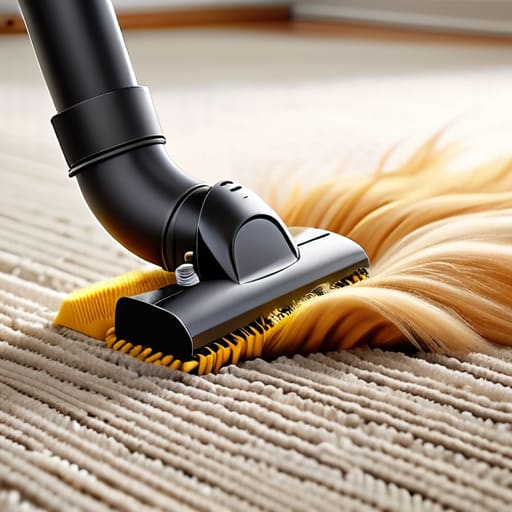
First off, don’t get blinded by a shiny new model just because it looks good in a showroom. Most people come to me complaining about lost suction, but usually, it’s because they bought something that can’t handle the actual grit of a living home. If you’ve got a dog that sheds like a winter coat, you need to look specifically at the suction power for animal hair. It isn’t just about how much air moves; it’s about the ability to pull those tiny, stubborn fibres out from deep within the pile rather than just skimming the surface.
You also need to think about what happens after the hair is sucked up. I’ve seen far too many machines choked by their own dust because the filtration was an afterthought. If you’re dealing with allergies, look for a machine with a proper HEPA filter for pet dander. It keeps the microscopic stuff from just blowing straight back out into your living room. And for heaven’s sake, check the brush roll. If it doesn’t have some kind of tangle-free technology, you’ll spend more time with a pair of scissors cutting hair out of the bristles than you will actually cleaning.
Practical Tips and Steps
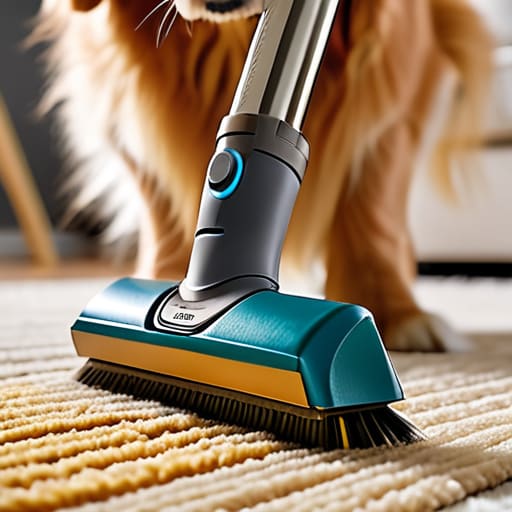
When you’re actually standing in the shop, don’t let the shiny plastic and the sales pitch fool you. I always tell people to look straight at the brush bar. If you’ve got a dog or a cat, you want tangle-free brush roll technology; otherwise, you’ll spend half your Sunday with a pair of kitchen scissors trying to cut hair out of the mechanism. It’s a miserable job, and it’s usually where these machines start to lose their pull.
Next, stop worrying about how much the machine weighs and start looking at the seals. If you’re dealing with shedding, you need a proper HEPA filter for pet dander to make sure that fine, invisible stuff isn’t just being blown right back out into your living room. I’ve seen too many “high-suction” models that just stir up allergens instead of trapping them. Check that the filters are easy to get to and wash, too. If a machine is a nightmare to clean, you won’t do it, and that’s when the suction dies for good.
Common Mistakes to Avoid
The biggest mistake I see is people falling for the flashy marketing and buying a machine based on how much it weighs rather than what’s inside it. I’ve seen countless folks grab a lightweight cordless model thinking it’ll be a breeze, only to realize six months later that the suction power for animal hair just isn’t there once the battery hits half-charge. If you’ve got thick rugs and a shedding Labrador, don’t let a slim design fool you; you’ll end up just moving the hair around instead of actually lifting it.
Another blunder is ignoring the maintenance nightmare. People buy these expensive machines and then wonder why they smell like a wet dog after a month. They skip over the importance of a proper HEPA filter for pet dander, which is the only thing stopping those tiny particles from blowing right back out into your living room. If you don’t check the filters and clear the brush roll regularly, you aren’t really cleaning; you’re just recirculating dust and dander. It’s a waste of money, plain and simple.
Final Thoughts
Look, at the end of the day, don’t get distracted by the shiny plastic or the fancy marketing jargon on the box. I’ve spent eighteen years pulling hair and grit out of motors, and I can tell you that a vacuum is only as good as its ability to stay clean itself. If you’re dealing with a heavy shedder, don’t bother unless you see tangle-free brush roll technology in the specs. There is nothing more frustrating than spending forty minutes vacuuming only to have to sit on the floor with a pair of scissors to cut hair out of the roller.
If you have allergies, please, don’t skip over the filtration. You want a machine with a proper HEPA filter for pet dander so you aren’t just blowing microscopic bits of skin and fur right back into your face. It’s a waste of money to buy a high-suction beast if the air coming out the back is just making everyone sneeze. Buy something sturdy, keep the filters clean, and for heaven’s sake, actually empty the bin before it gets packed tight. It’s not magic; it’s just maintenance.
Five Things I Look For Before I Even Plug a Vacuum In
- Check the brush bar before you buy. If it’s got those long, stiff bristles that look like they’ll snap the moment they hit a carpet, walk away. You want something that can tangle a bit of hair without seizing up the motor, or you’ll be spending your Sunday afternoon with a pair of scissors cutting out knots.
- Don’t get blinded by the “Pet Pro” stickers on the box. Most of that is just marketing fluff to make you pay an extra fifty quid. Look at the actual filter type instead. If it doesn’t have a proper HEPA filter, you’re just blowing the fine dander and microscopic bits right back out into your living room.
- Look for a machine that’s easy to strip down. I’ve seen too many people throw a perfectly good vacuum in the skip because they couldn’t figure out how to get the hair off the roller or clean the canister. If it’s a nightmare to open, it’s going to be a nightmare to maintain.
- Weight actually matters more than the brochure says. If you’ve got a big house and a shedding Labrador, you’re going to be moving that machine a lot. If it’s too heavy, you’ll start taking shortcuts, leaving hair in the corners, and eventually, you’ll just stop using it altogether.
- Test the hose suction, not just the floor head. A lot of pet hair gets sucked up into the wand and gets stuck halfway down the tube. If the hose feels flimsy or has narrow bends, that hair is going to build up and create a blockage that’ll make the machine feel like it’s lost all its power.
The Bottom Line
Don’t get blinded by fancy marketing about “pet power”—if the machine doesn’t have a filter you can actually wash and a brush bar that won’t tangle every five minutes, it’s just expensive scrap metal.
Look for something easy to take apart; if you can’t get to the clog without a toolkit and a degree, you’ll end up throwing the whole thing away when it inevitably gets blocked.
Spend your money on suction and build quality rather than bells and whistles, because a vacuum that’s hard to maintain is a vacuum that’s destined for the tip.
A Bit of Final Advice
Look, at the end of the day, picking a vacuum isn’t about finding the one with the flashiest lights or the most expensive brand name on the box. It’s about the basics: a motor that won’t choke the second it hits a clump of hair, a filtration system that actually keeps the dander inside the machine, and—most importantly—a design that doesn’t make it a nightmare to clean the filters. If you can’t get to the brush bar or the bin without a degree in engineering, you won’t use it, and that’s how good machines end up in my scrap pile. Focus on suction power that lasts and a build quality that isn’t made of thin, brittle plastic.
I’ve spent eighteen years pulling hair-clogged machines out of people’s hallways, and I can tell you that the best investment you can make is in something built to be maintained. Don’t be discouraged if your current machine is struggling; most of the time, it just needs a bit of a deep clean and a bit of respect. Buy something sturdy, keep those filters clear, and you’ll find that you don’t need to replace your gear every two years. Treat your tools well, and they’ll keep your home clean long after the fancy models have given up the ghost.
Frequently Asked Questions
If I buy a cheaper vacuum, am I just going to be replacing the filters every two weeks because of the hair?
Not necessarily, but you’ll certainly be doing more housework. It isn’t just about the cost of the filters; it’s about how the machine handles the airflow. Cheap vacuums often have poorly designed cyclonic systems that let hair clump up right against the filter. Once that happens, suction drops and the motor starts to overheat. If you go budget, just make sure you aren’t fighting a losing battle against a clogged machine every Tuesday.
Are those fancy "anti-tangle" brush bars actually worth the extra money, or is it just marketing nonsense?
Look, I’ve spent half my life untangling hair from brush bars, and I’ll tell you straight: they aren’t total nonsense, but they aren’t magic either. If you’ve got a long-haired cat or a Golden Retriever, a standard brush bar becomes a bird’s nest in about twenty minutes. An anti-tangle design saves you the headache of getting the screwdriver out, but you’ll still need to clean the housing. It’s worth the extra few quid for the convenience alone.
How often should I be cleaning the machine itself to stop it from losing suction once the pet hair starts building up?
If you’ve got pets, you can’t just set it and forget it. I’ve seen too many machines end up in my scrap pile simply because someone let hair clog the airway. Check your brush bar every single week—if it’s wrapped in fur, it’s not working. The filters need a proper clean or a swap every month, depending on the model. If you wait until it loses suction, you’ve already waited too long.
