








I’ve spent eighteen years pulling apart everything from temperamental washing machines to dusty vacuums, and if there’s one thing I’ve learned, it’s that people often choose a kitchen appliance based on how it looks in a glossy brochure rather than how it actually behaves once it’s lived in your house for five years. Lately, I’ve been seeing more and more folks agonising over the choice between built in versus countertop microwaves, usually because they’re caught between wanting that sleek, seamless kitchen look and the simple practicality of a machine they can just move if they need to. I once spent an entire afternoon helping a neighbor realize that her “fancy” integrated unit was actually just a nightmare to access because it was wedged into a cabinet that didn’t allow for proper ventilation.
Look, I’m not here to sell you on a lifestyle or tell you which one will make your kitchen look like a magazine spread. What I am going to do is tell you what happens when the heating element eventually gives up or when a bit of spilled soup gets stuck in a hard-to-reach corner. I’ll be giving you the straight truth on repairability and longevity, stripped of all the marketing fluff. By the time you finish reading, you’ll know exactly which one is going to save you a headache—and a costly call-out fee—down the road.
Countertop Microwaves
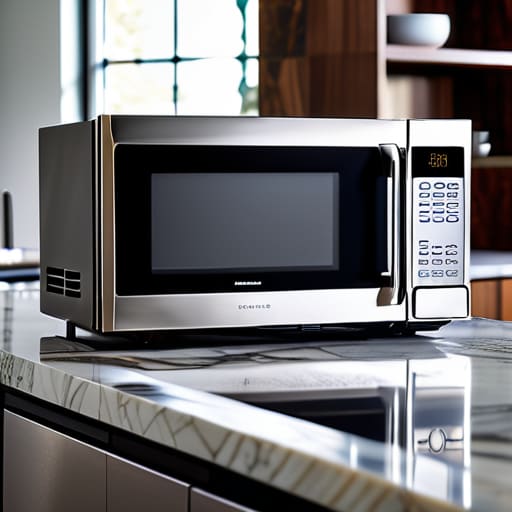
A countertop microwave is a standalone appliance that sits directly on your kitchen worktop, using magnetron technology to heat food through electromagnetic waves. Its primary selling point is unmatched versatility, as these units are easy to move, install, or replace without any permanent changes to your kitchen layout.
I’ve seen plenty of people treat these like they’re disposable, but that’s a mistake. Because they aren’t tucked away in a cabinet, they tend to catch every bit of steam and grease flying off the stove, which can really mess with the internal electronics over time. If you keep the vents clear and don’t treat it like a permanent fixture, a decent countertop model can last a long time, but you have to be mindful of the mess.
Built-in Microwaves
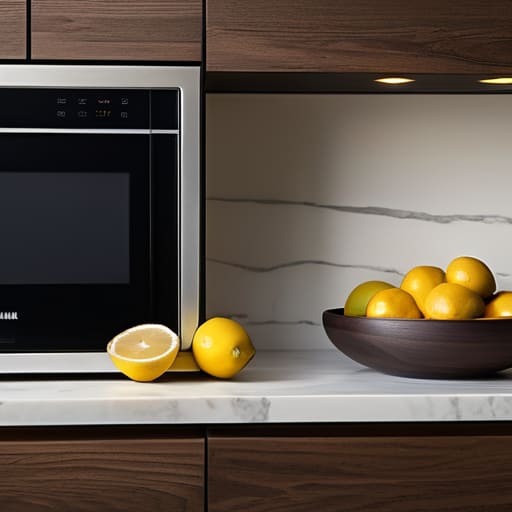
Built-in microwaves are integrated units designed to fit into custom cabinetry or wall niches, providing a seamless look by housing the heating mechanism within a dedicated housing. Their main advantage is space efficiency, as they free up valuable counter real estate while maintaining a tidy, streamlined kitchen aesthetic.
From a repair perspective, these are a different breed entirely. When a built-in microwave finally gives up the ghost, you aren’t just unplugging a box; you’re often dealing with a unit that is tightly wedged into a cabinet or even wired directly into the house’s electrical system. It makes the job a bit more of a headache, but if you take care of the installation, they certainly make a kitchen feel much more professional and organized.
Comparison of Microwave Types
| Feature | Built-in Microwave | Countertop Microwave |
|---|---|---|
| Installation | Permanent/Integrated into cabinetry | Freestanding on surfaces |
| Space Utilization | Saves counter space | Occupies counter space |
| Price | Higher (includes installation) | Lower (plug-and-play) |
| Aesthetic | Seamless/High-end look | Visible/Standalone appliance |
| Versatility | Fixed location | Portable/Relocatable |
| Best For | Custom kitchen remodels | Renters and small kitchens |
Understanding Built in Versus Countertop Microwaves
When you’re deciding between these two, it isn’t just about how they look in a kitchen catalogue; it’s about what happens when they eventually stop working. I’ve spent eighteen years pulling apart appliances, and I can tell you that the way a machine is installed dictates exactly how much of a headache it’ll be when a fuse blows or a door seal fails.
A countertop unit is straightforward—it sits on the bench, plugs into a standard socket, and if it dies, you just move it aside. There’s no drama. But a built-in model is a different beast entirely. They are integrated into your cabinetry, which means if a component fails, you aren’t just dealing with a machine; you’re dealing with custom woodwork. You have to pull the whole thing out of the housing just to get a clear look at the guts, and that’s often where the real trouble starts.
If you want something easy to maintain and even easier to replace, the countertop microwave wins every single time. Built-ins look smart, but they make a technician’s life—and your wallet—much more complicated.
Key Things to Know
When you’re deciding between these two, you aren’t just picking a pretty box for your kitchen; you’re deciding how much of a headache you’re willing to deal with five years down the line. Most people look at the sleek finish of a built-in unit and forget that once it’s tucked into a cabinet, it’s essentially out of reach for a quick fix or a deep clean.
A countertop microwave is the honest worker of the kitchen. If a fuse blows or a door seal gets gummy from spilled tomato sauce, you just pick the thing up and move it to the workbench. You can actually see what’s happening. Built-in models, on the other hand, are a different beast entirely. They look seamless, but they require precise installation and often more specialized parts. If a built-in unit fails, you aren’t just replacing a machine; you’re often reconfiguring your cabinetry just to get the new one in.
If you want ease of maintenance and the ability to actually get your hands on the machine when things go wrong, the countertop microwave takes the win here.
The Bottom Line
If you want something that’s easy to clean and won’t leave you calling a technician the moment a fuse blows, stick to a countertop model.
Built-in units look tidy, but they’re a headache to service; once they’re tucked into your cabinetry, you’re looking at a much bigger job just to get to the guts of the machine.
Don’t buy into the “integrated” look if you aren’t prepared for the extra cost and the fact that a simple repair can turn into a kitchen renovation project.
Making the Right Call
At the end of the day, it comes down to how much you value your kitchen counter space versus how much you want to deal with a repairman in five years. If you go for the built-in, you get that sleek, integrated look that makes a kitchen feel finished, but remember that once they’re tucked into a cabinet, they’re a lot harder to get your hands on when something goes wrong. Countertop models are the easy choice for most; they’re simple, they’re mobile, and if a fuse blows or a door seal fails, you can just slide it out and look at it yourself. I’ve seen too many people get stuck with a built-in unit they can’t even reach into to clean, which is a recipe for a burnt-out magnetron.
My advice is to choose the machine that you can actually maintain properly. Whether you want the seamless aesthetic of a built-in or the practical, no-nonsense utility of a countertop unit, don’t just buy for the look. Buy something that is easy to access, easy to clean, and won’t end up in a skip just because a simple part failed. A kitchen is meant to be lived in, not just looked at, so pick the microwave that works for your life, not just your floor plan.
Frequently Asked Questions
If a built-in microwave stops working, is it a nightmare to get it out of the cabinetry for a repair?
If it’s a built-in, you’re likely looking at a bit of a headache. Most of them are tucked into custom cabinetry with specific mounting brackets that make them feel part of the kitchen itself. If a component fails, you aren’t just sliding it out like a toaster; you’re often wrestling with screws hidden behind panels or dealing with tight electrical connections in a cramped space. It’s more work, but usually worth it to avoid the landfill.
Can I just swap a countertop model into a built-in space if my old one finally dies?
Technically, you can shove a countertop unit into a gap, but it’s a recipe for a headache. Built-in models are designed to vent heat properly through specific channels. If you just slide a countertop one in there, you’re trapping heat, which cooks the electronics and kills the machine prematurely. Plus, the dimensions never line up right; you’ll end up with awkward gaps that collect grease and dust. It’s better to do it properly the first time.
Which of these is actually easier to keep clean when grease starts getting into the vents?
If grease is your main worry, stick to the countertop models. I’ve spent far too many afternoons pulling apart built-in units only to find grease baked right into the internal ventilation gaps where you can’t reach. With a countertop unit, you can just wipe the whole thing down or move it if it gets truly nasty. Built-ins are a nightmare once that sludge starts migrating into the cabinetry.
