







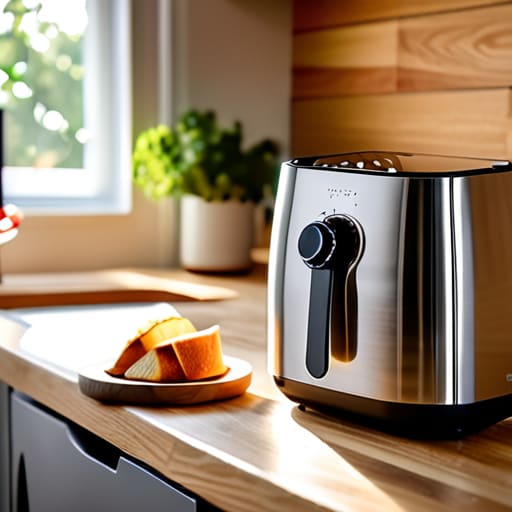

I’ve spent eighteen years pulling coins, hairpins, and half-eaten socks out of machines from Bristol to Bath, and if there’s one thing I’ve learned, it’s that landlords love to give you the absolute dregs. They’ll drop you into a new place and expect you to be happy with a washing machine that sounds like a jet engine taking off and a fridge that barely keeps the milk cool. Most people think they have to just accept whatever junk comes with the lease, but when you’re shopping for appliances for a rented flat, you shouldn’t have to settle for something that’s destined for the scrap heap in six months.
I’m not here to sell you on fancy smart-fridges that connect to your Wi-Fi or anything else that’s just unnecessary fluff. I’m going to tell you which machines actually hold up under pressure and, more importantly, which ones are easy enough to clean so you don’t end up with a stinking filter problem. I’ve opened more machines than most people will own, and I know exactly what makes a piece of kit built to last versus what’s just expensive plastic.
Understanding Appliances for a Rented Flat
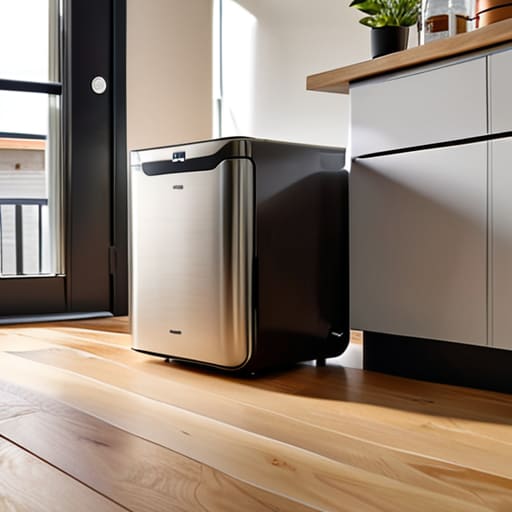
When you’re living in a rental, you aren’t just looking for something that works; you’re looking for something that won’t get you in trouble with a landlord or leave you stranded when the lease is up. Most people make the mistake of buying heavy, built-in style units that are a nightmare to move. I’ve spent far too many afternoons lugging heavy, greasy machines up narrow Bristol staircases just because someone thought they needed a “proper” setup. Instead, you should be looking for space-saving rental essentials that don’t require a technician to install.
The trick is finding gear that is truly plug and play. If you have to call a plumber or an electrician just to get a machine running, you’re doing it wrong. I always tell people to look for compact kitchen appliances for small spaces that sit on top of a counter or plug directly into a standard socket. You want machines that are easy to clean and even easier to pack into a van when it’s time to move. If it’s too complicated to set up, it’s too complicated for a flat.
Key Things to Know
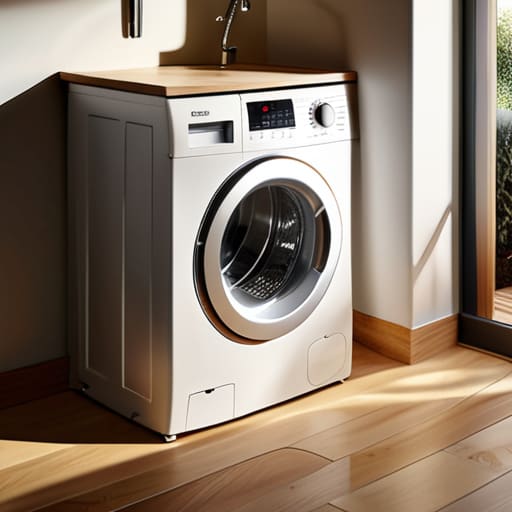
First off, you’ve got to check the plumbing and the plugs before you even think about moving a single box in. In a rental, you aren’t just looking at what fits; you’re looking at what won’t cost you a security deposit when it leaks. I’ve spent far too many afternoons in Bristol dealing with damp carpets because someone tried to squeeze a massive, heavy-duty washer into a tiny nook without checking the water connection. If you’re tight on room, look for plug and play washing machines that don’t require a professional plumber to hook up. They’re much easier on your sanity and your landlord’s floorboards.
You also need to be realistic about your footprint. Most flats aren’t designed for a full suite of heavy machinery, so you’ll likely be looking at compact kitchen appliances for small spaces. I always tell people: don’t buy a massive microwave if a small one does the job just as well. It’s about being smart with the space you’ve actually got, rather than trying to force a lifestyle that doesn’t fit the square footage. Keep it light, keep it portable, and for heaven’s sake, keep the filters clean.
Practical Tips and Steps
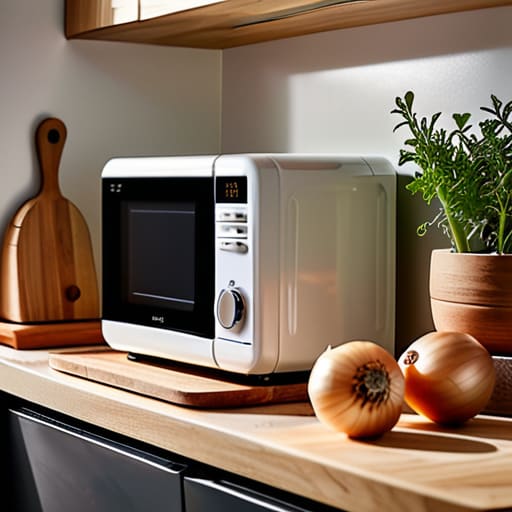
First things first, don’t go buying a massive, heavy-duty washing machine thinking it’ll make your life easier. In a rental, you want plug and play washing machines that don’t require a plumber to move in or out. If you’re dealing with a tiny kitchenette, look for compact kitchen appliances for small spaces that sit neatly on the counter rather than hogging every inch of worktop. I’ve seen too many people struggle with a massive microwave that leaves no room to actually chop an onion.
When it comes to setting things up, avoid anything that requires permanent changes. Stick to no-drill appliance solutions like freestanding shelving or heavy-duty mats to protect the landlord’s flooring. If you’re worried about cooking, a couple of portable induction cooktops are a lifesaver; they’re easy to tuck away in a cupboard when you’re done. Most importantly, keep a small toolkit handy. Most “broken” machines are just a bit of grit in a filter or a loose plug, and being able to fix a minor snag yourself saves you from a frantic call to the letting agent.
Common Mistakes to Avoid
The biggest blunder I see is people trying to force a square peg into a round hole—literally. I’ve spent many an afternoon staring at a washing machine wedged so tightly into a corner that the vibration from a single spin cycle sounds like a structural failure. People buy these massive, heavy units thinking they’ll eventually move into a house, but they end up fighting a losing battle with space-saving rental essentials that just don’t fit. If you can’t get a hand in there to clean the lint trap or check the hoses, you’re asking for a leak that’ll cost you your deposit.
Another mistake is neglecting the “plug and play” aspect of things. I’ve seen tenants struggle with complex installations that require drilling into tiles or heavy electrical work, only to realize they’ve violated their lease. Instead, look for plug and play washing machines or portable induction cooktops that don’t require a technician to bless them. If you can’t move it easily without a team of three, it’s probably going to cause more grief than it’s worth when moving day rolls around.
Final Thoughts
At the end of the day, you don’t need a showroom full of fancy gadgets to run a decent home. Most of the “broken” machines that land on my workbench could have been saved with a bit of common sense and a screwdriver. If you’re living in a rental, your goal shouldn’t be to own the most expensive kit, but to find space-saving rental essentials that actually do what they say on the tin. Don’t get distracted by the bells and whistles; focus on things that are easy to maintain and even easier to take with you when the lease is up.
I’ve seen too many people struggle because they bought something too big or too complicated for their setup. If you’re tight on room, look into plug and play washing machines or even some decent portable induction cooktops. They get the job done without needing a professional engineer to install them. Just remember: keep your filters clean, don’t overload the drums, and treat your kit with a bit of respect. If you do that, your machines will last a lot longer than the people living around you.
Five ways to stop your landlord's machines from dying on you
- Don’t just assume the washing machine is broken because it won’t spin; check the filter first. Most of the time, it’s just a stray sock or a buildup of lint choking the pump, and you can fix that yourself without calling a repairman or losing your deposit.
- If you’re moving into a place with an old, temperamental fridge, keep a close eye on the seals. If those rubber gaskets are cracked or brittle, the motor will work itself to death trying to stay cool, and that’s a conversation you don’t want to have with a landlord.
- Treat the vacuum cleaner like it’s your own property, even if it isn’t. Empty the bag or canister regularly and wash the filters; a choked vacuum is the easiest thing in the world to “break,” but it’s usually just begging for a bit of air.
- Watch out for the “mystery” appliances that look like they’ve been through a war. If a machine is rattling or making a high-pitched scream, it’s likely a bearing or a belt about to go—report it early before it turns into a full-blown flood in your kitchen.
- Keep a small toolkit handy, including a screwdriver and some basic cleaning supplies. Half the “faults” in a rental are just bits of grime or a loose screw, and being able to tighten something up yourself saves you the headache of a formal maintenance request.
The Bottom Line
Don’t let a landlord talk you into keeping a machine that’s already on its last legs; if it’s rattling or leaking, it’s not an asset, it’s a liability.
Treat the filters and hoses like they’re part of your own life—most “broken” appliances are just neglected ones that needed a bit of cleaning.
Prioritize reliability and ease of repair over fancy digital displays that’ll just end up being a headache when the landlord won’t call a technician.
A Final Word From the Workbench
At the end of the day, sorting out appliances for a rental isn’t about finding the flashiest model with a touchscreen or a fancy Wi-Fi connection. It’s about knowing your rights, checking the plugs, and making sure you aren’t stuck with a machine that’s one clogged filter away from a flood. Whether you’re negotiating with a landlord or buying a second-hand washer from a local shop, remember to prioritise reliability over bells and whistles. Keep an eye on those hoses, don’t forget to clear the lint, and always, always read the manual before you start pressing buttons you don’t understand.
I’ve spent eighteen years pulling broken machines apart, and I can tell you that most “breakdowns” are really just a lack of basic care. You don’t need a showroom-standard kitchen to live a good life; you just need things that actually do what they say they’ll do. If you treat your kit with a bit of respect and stay on top of the small stuff, you’ll find that even the most basic setup can serve you well for years. Don’t let a bit of dust or a blocked pump ruin your peace of mind. Keep it clean, keep it simple, and keep it running.
Frequently Asked Questions
If a machine provided by my landlord stops working because of a blocked filter, am I responsible for the repair or is that on them?
Look, I’ve seen it a thousand times: a machine “dies” because a stray sock or a mountain of lint has choked the filter. Legally, your landlord is responsible for the machine working, but maintenance is a different story. If the pump has seized because you didn’t clean the debris trap, that’s on you. It’s basic upkeep, like changing a lightbulb. Check your filter first; it’s usually a five-minute job, not a repairman’s call.
Can I swap out the landlord's old, inefficient washing machine for my own if I promise to put the original one back before I move out?
Technically, you can, but don’t go doing it without a written nod from the landlord first. I’ve seen too many arguments over “damage” that was just a mismatched plug or a scratch on the floor from moving heavy gear. If they agree, just make sure you store the original machine somewhere bone-dry. If you leave it in a damp shed and it rusts, you’ll be paying for a new one when you move out.
What's the best way to check if a second-hand appliance I'm buying for a flat is actually reliable and not just a ticking time bomb?
Don’t just look at the shiny exterior; that’s how they get you. If it’s a washing machine, ask to see it running a cycle. Listen for anything that sounds like a bag of marbles—that’s a bearing going, and you’ll never win that fight. Check the door seal for black mould or cracks, and if you can, peek at the filter. If it’s caked in sludge, the previous owner didn’t care, and neither should you.
