









I spent yesterday afternoon elbow-deep in a dusty condenser unit that some poor soul had tossed out because it “stopped cooling,” when it turned out to be nothing more than a clogged filter and a bit of grit. It’s that same kind of nonsense that people get caught up in when they start weighing up fans versus air conditioning for their homes. You see folks spending a small fortune on a complex AC installation, only to realize they’re just paying for a machine that’s going to break down and cost them a week’s wages in repairs, when a simple, well-maintained fan might have done the job just fine.
I’m not here to sell you a shiny new unit or tell you that you need the latest smart-tech gadget to survive a heatwave. I’ve spent eighteen years pulling apart the very things you’re considering buying, so I know exactly where the real value lies. In this post, I’m going to give you the straight truth about which one actually moves the needle and which one is just a money pit waiting to happen. No marketing fluff—just the mechanical reality.
Fans
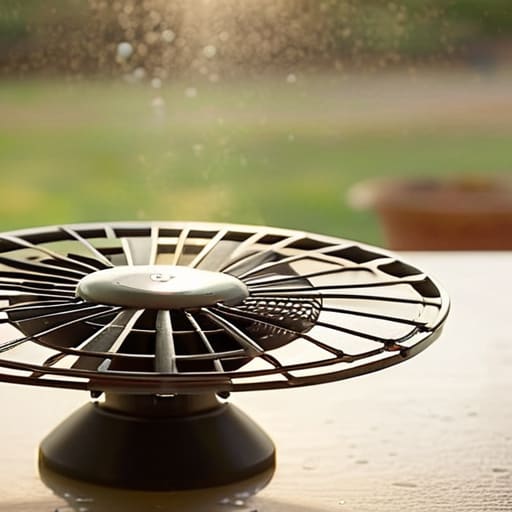
A fan is a simple mechanical device that uses rotating blades to create a continuous stream of airflow across a room. Its primary function isn’t actually to lower the temperature of the air, but to facilitate evaporative cooling by moving air over your skin. When you’re looking at the pros and cons of fans versus air conditioning, the fan is the undisputed king of simplicity and low energy consumption.
I’ve spent eighteen years pulling motors out of various household gadgets, and I can tell you that a fan is one of the most reliable bits of kit you’ll ever own. There isn’t much to go wrong; it’s just a motor, a blade, and a cage. Most of the time, when someone calls me because their “cooling” isn’t working, it’s just a thick layer of dust choking the motor or a loose wire. It’s a straightforward tool that does exactly what it says on the tin without needing a complex circuit board to function.
Air Conditioning
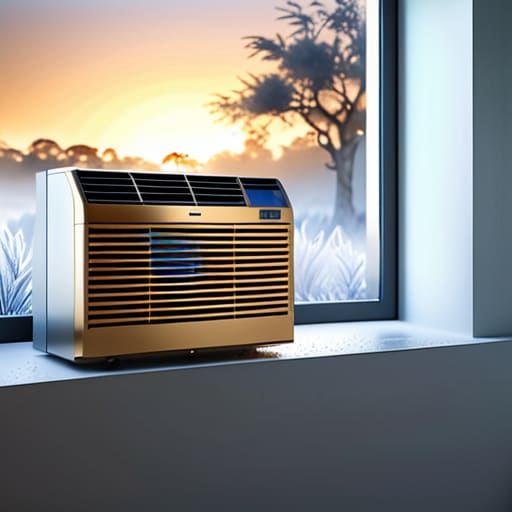
Air conditioning is a sophisticated refrigeration system designed to actively remove heat and moisture from an enclosed space. Unlike simpler methods, it uses a compressor and a refrigerant cycle to actually drop the ambient temperature of a room, providing a controlled environment regardless of how high the mercury rises outside.
In my line of work, I see the aftermath of people treating these units like they’re indestructible. They aren’t. While an AC unit can turn a sweltering bedroom into a sanctuary, it is a finicky piece of machinery compared to a basic pedestal fan. I’ve seen countless units tossed on the kerb in Bristol simply because a filter was so clogged with pet hair that the system choked itself out. It’s a powerful way to stay cool, but it requires a level of maintenance that most people simply ignore until the machine stops breathing.
Cooling Method Comparison
| Feature | Fans | Air Conditioning |
|---|---|---|
| Primary Mechanism | Air circulation/wind chill | Refrigerant-based heat removal |
| Temperature Reduction | Low (feels cooler) | High (lowers actual room temp) |
| Energy Consumption | Very Low | High |
| Initial Cost | Low | High |
| Best For | Personal cooling/mild heat | Extreme heat/humid climates |
| Installation | Plug-and-play | Requires professional/window setup |
| Humidity Control | None | High (dehumidifies air) |
Understanding Fans Versus Air Conditioning

You need to understand what these machines are actually doing to the air in your room, otherwise you’re just wasting electricity or sweating for nothing. Most people treat them as interchangeable, but from where I sit, they are entirely different beasts with different ways of failing.
A fan doesn’t actually cool anything; it just moves air across your skin to help your sweat evaporate. It’s a mechanical breeze, nothing more. If the room is eighty degrees, a fan is just circulating hot air around you. On the other hand, an air conditioner is a heat pump. It uses a compressor and refrigerant to actually pull the thermal energy out of the room and dump it outside. It’s a much more complex bit of kit with more moving parts—and more things that can go wrong if you don’t clean the coils.
If you just want a bit of movement to stop the air from feeling stagnant, the fan wins on simplicity. But if you are looking to actually lower the temperature in the room, the air conditioner is the only one doing the real work.
Key Things to Know
Look, it isn’t just about which one feels colder; it’s about what you’re actually signing up for when the heat hits. If you don’t understand the mechanics of the room, you’re going to end up either sweating through your shirt or staring at a massive electricity bill that makes your eyes water.
A fan is straightforward—it’s just moving air across your skin to help you sweat more efficiently. It’s low-maintenance, which I appreciate, but it won’t actually lower the temperature in your sitting room. On the other hand, an AC unit is a proper piece of engineering that pulls heat out of the air and dumps it elsewhere. It’s a heavy-duty solution, but it means dealing with condensation, drainage, and more moving parts that can eventually clog up or fail if you don’t treat them right.
If you want something you can just plug in and forget about, the fan wins on simplicity. But if you’re actually trying to fight a heatwave, the AC is the only one doing the real work.
The Bottom Line
If you’re just looking to move the air around so you don’t feel quite so stagnant, a fan is fine, but don’t expect it to actually lower the temperature in the room.
Air conditioning is the only thing that actually does the heavy lifting when it’s sweltering, provided you don’t mind the extra bit on your electric bill.
Before you go out and buy a massive new unit, check your vents and filters; half the time, a machine isn’t “broken,” it’s just choked with dust.
The Bottom Line
At the end of the day, choosing between a fan and an AC unit isn’t about which one is “better” in a vacuum; it’s about what your specific space actually needs. If you’re just looking to move a bit of air around a stuffy bedroom without adding to your electric bill, a decent fan is your best friend. But if you’re dealing with true, heavy humidity that makes the air feel like wet wool, a fan is just moving hot air around without solving the problem. An air conditioner is a complex bit of kit that actually removes moisture and lowers the temperature, but it comes with more moving parts that eventually need a bit of looking after.
My advice is to stop looking for the magic gadget that does everything and start looking at how you actually live. Don’t go out and buy a massive, expensive cooling system just because a catalogue says it’s top-of-the-line if a simple, well-maintained fan will do the job for your needs. Most of the time, the solution is much simpler than we make it out to be. Just remember to keep your filters clean—whether it’s a little desk fan or a big split system—and you’ll get a lot more life out of them. It’s better to have a simple machine that works than a fancy one that’s sitting broken in a skip.
Frequently Asked Questions
My fan is blowing hot air around the room; is there a way to actually cool it down without buying a whole new unit?
Look, a fan doesn’t actually lower the temperature; it just moves air over your skin to help you sweat. If it feels like a hairdryer, your blades are likely caked in thick, greasy dust. Take it apart and wipe the blades down. I’ve seen enough motors struggling against grit to know it makes a difference. If you want real chill, put a bowl of ice directly in front of the airflow. It’s basic physics, not magic.
If I decide to get an air conditioning unit, how much more am I going to spend on the electricity bill every month?
Look, I can’t give you a precise figure without seeing your meter, but I’ll tell you this: an AC unit is a hungry beast compared to a simple fan. A fan just nudges the air, whereas an AC is actually working to strip heat out of the room. You’re looking at a significant jump in your monthly bill if you run it all day. It’s a trade-off between comfort and cost.
Is it worth it to try and repair an old portable AC unit, or is it one of those machines that's better off in the scrap heap?
Look, if it’s just a clogged filter or a bit of grit in the condenser, give it a go. Most people bin them because they stop cooling, but half the time it’s just a blocked hose or a dirty coil. However, if the compressor has given up the ghost or the refrigerant has leaked out, leave it. Those repairs cost more than a new unit, and I’ve seen too many “fixes” end up as scrap anyway.
