







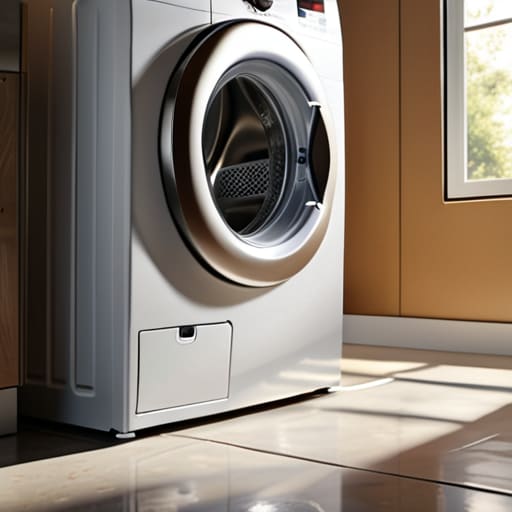

I’ve lost count of how many times I’ve pulled a machine out of a driveway only to find it wasn’t actually “broken” at all. Most people see a machine dancing across the laundry room floor and immediately start looking up the cost of a replacement, but they’re usually just throwing money away. I’ve spent eighteen years in Bristol seeing the same thing: a customer convinced they need a new drum when they really just need a spanner. Fixing a wobbling washing machine is rarely about a catastrophic mechanical failure; more often than not, it’s just a matter of getting those feet dialed in properly so the thing actually stays put.
I’m not going to give you any of that complicated, technical nonsense that requires a degree to understand. Instead, I’m going to walk you through the practical, no-nonsense steps to get your appliance steady again. We’ll look at leveling the feet, checking your floor, and making sure you haven’t just overloaded the drum with a heavy set of towels. By the time we’re done, you’ll have the confidence to stop the rattling and start saving your sanity—and your wallet.
Guide Overview
Tools & Supplies
- Spirit level or bubble level to check surface flatness
- Adjustable wrench or pliers to tighten locking nuts
- Anti-vibration pads (set of 4)
- Shims (small pieces of wood or plastic if needed)
Step-by-Step Instructions
- 1. First thing you need to do is grab a spirit level—not one of those cheap plastic ones that bends, but a decent, properly calibrated tool. Place it on top of the machine, then check it across the front and the sides. If it’s tilting, you aren’t looking at a mechanical failure; you’re just looking at a machine that’s trying to walk out the door because it’s lopsided.
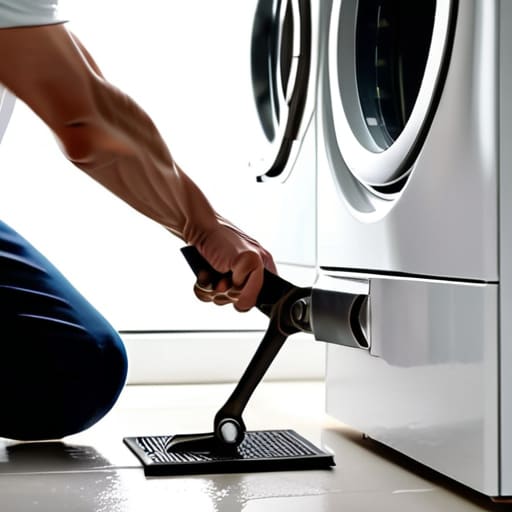
- 2. Once you know which way it’s leaning, get down on your hands and knees and look at those adjustable feet. Most people think they’re set and forget, but they vibrate loose over time. Use a spanner to turn the feet until the machine is dead level. You want it to feel solid, not like it’s perched on a seesaw.
- 3. Now, here is where most people trip up: the lock nuts. After you’ve adjusted the feet to get that level reading, you have to tighten the locking nut up against the underside of the machine frame. If you skip this, the vibration from the spin cycle will just unscrew the feet all over again within a week, and you’ll be right back where you started.
- 4. If it’s level but still dancing across the floor, check the floor itself. If you’ve got a wooden floor or old lino, it might be flexing under the weight. I’ve seen plenty of machines that were perfectly fine, but the floor was just too “bouncy.” In those cases, a heavy-duty anti-vibration mat can do wonders to soak up that energy before it reaches the floorboards.
- 5. Take a look at the load you’re washing. I can’t tell you how many times I’ve been called out for a “broken” machine, only to find the customer had thrown a single, heavy bath mat in with a load of t-shirts. The machine can’t balance itself if the weight is all on one side. You need to distribute the weight evenly, or that drum is going to bang against the sides like a drum kit.
- 6. Finally, if you’ve done all that and it still sounds like a jet engine taking off, check the transit bolts. This usually only happens with new machines, but I’ve seen it a time or two with second-hand ones. If those big bolts at the back weren’t removed during installation, the machine has zero suspension. It’ll be shaking itself to pieces if you don’t get those out immediately.
Understanding Fixing a Wobbling Washing Machine
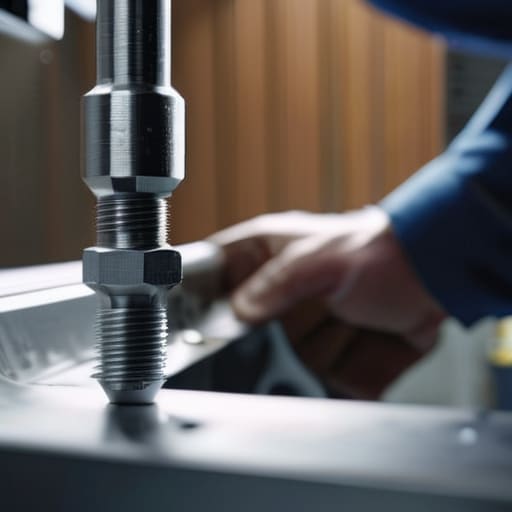
Most people think a machine that’s dancing across the kitchen floor is on its way to the scrap heap, but it’s rarely a mechanical failure. Half the time, I’m walking into a job only to find the owner forgot about removing shipping bolts that were installed at the factory. If those metal rods are still tucked behind the casing, the machine isn’t just wobbling—it’s fighting itself. It’s a silly mistake, but it happens more than you’d think, and it’ll shake a machine to pieces if you let it run.
Beyond the bolts, you’ve got to look at the ground beneath you. I’ve spent many an afternoon checking floor surface flatness in old Bristol terraced houses where the floorboards have a mind of their own. If your floor isn’t level, no amount of tinkering will help. You’ll need to spend some time adjusting appliance leveling legs until the machine sits dead still. If the floor is particularly dodgy, a set of anti-vibration pads can do wonders, but don’t expect them to fix a machine that’s fundamentally tilted.
Key Things to Know
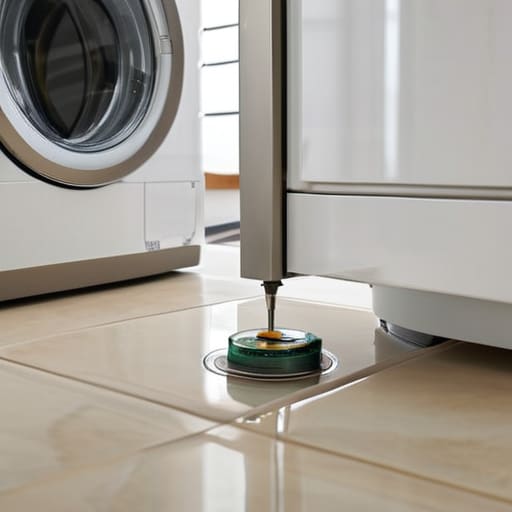
One thing people always forget is that the floor underneath you is just as important as the machine itself. I’ve been to plenty of houses in Bristol where the tiles are fine, but the subfloor has a slight dip. If you aren’t checking floor surface flatness before you start, you’ll spend hours fiddling with the legs only to have it jump again next Tuesday. If the floor is uneven, you might need to look into anti-vibration pads for appliances to help soak up that extra energy, but don’t go buying them until you’ve actually tried getting the feet level first.
Also, keep an eye on what you’re actually putting inside the drum. You can have the most perfectly balanced machine in the world, but if you throw in a single, heavy, sodden bath mat, it’s going to act up. An unbalanced laundry load is the quickest way to make a perfectly good machine sound like a helicopter taking off. It isn’t always a mechanical failure; sometimes, it’s just physics being a nuisance.
A few things I’ve learned from eighteen years of listening to machines scream
- Stop overloading the drum like you’re trying to win a prize; a machine can handle a heavy load, but it can’t handle a lopsided one, so throw in a couple of towels to balance the weight.
- Check the floor itself, because if you’ve got a loose floorboard or a bit of carpet that’s bunched up, all the leveling in the world won’t stop that machine from dancing.
- Get a proper spirit level—not that little plastic bubble thing from a cheap toolkit—and make sure you’re checking it across the machine, not just from one side to the other.
- Don’t just tighten the feet and walk away; give the machine a good, firm shove with your shoulder to see if it shifts, because if it moves even a millimetre, it’s going to shake itself to pieces later.
- If you’ve recently moved the machine, don’t forget those transit bolts; I’ve seen more “broken” machines than I care to count just because someone forgot to take the shipping bolts out.
The Bottom Line
Most “broken” machines are just poorly balanced; before you go buying a new one, check if the feet are actually touching the floor.
A little bit of time spent leveling the machine can save you from a massive repair bill or a flooded kitchen.
Don’t ignore the signs—a wobble that starts small will eventually shake the guts right out of the appliance if you don’t sort it.
A Bit of Final Advice
At the end of the day, most of the wobbling you’re dealing with comes down to the basics: checking those adjustable feet, making sure the machine is actually level on the floor, and ensuring you haven’t overloaded it with a single heavy rug. It’s rarely a catastrophic mechanical failure or a blown motor. Usually, it’s just a matter of a loose bolt or a bit of debris stuck where it shouldn’t be. If you’ve taken the time to tighten the feet and check the transit bolts, you’ve likely already done ninety percent of the work required to save your machine from a premature trip to the tip.
I know it feels daunting when a machine starts thumping like it’s trying to walk out of the kitchen, but don’t let that panic lead you straight to a replacement catalogue. We live in a world that wants us to toss everything the moment it makes a funny noise, but there is a real satisfaction in stopping the shake yourself. Once you get that machine steady and quiet again, you’ll realize you haven’t just fixed an appliance; you’ve saved yourself a lot of money and a massive amount of unnecessary waste. Now, go grab your spanner and get it sorted.
Frequently Asked Questions
If I've already tightened the feet and it's still jumping around, could the shock absorbers be shot?
It’s very possible. If those feet are solid and the machine is level, but it’s still dancing across the floor during a spin, your shock absorbers are likely worn out. I’ve seen plenty of machines where the dampening has just gone, leaving the drum to bounce like a basketball. It’s a common one. They aren’t expensive parts, but they do require a bit of patience to swap out. Don’t bin the machine just yet.
Is there any point in checking the floor, or is it always the machine's fault?
Don’t you dare blame the machine until you’ve looked at the floor. I’ve spent far too many afternoons pulling heavy, sodden machines away from walls only to find the floorboards were slightly uneven or the tiles were unevenly set. If the ground isn’t solid and level, it doesn’t matter how much you tighten those machine feet; it’s still going to dance during the spin cycle. Check the surface first.
How do I know if I've actually levelled it properly without a spirit level handy?
If you haven’t got a spirit level lying around, don’t sweat it. Use the old “corner test.” Put your hands on opposite diagonal corners of the machine—say, top left and bottom right—and try to rock it. If it nudges or clicks, it’s not level. You want it dead still. You can also use a glass of water; if the surface looks tilted when the machine’s running, you’ve still got work to do.
