







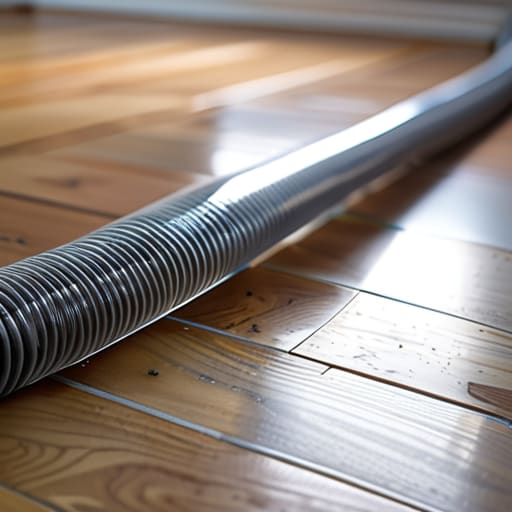

I’ve lost count of how many times I’ve sat on a customer’s living room floor, looking at a perfectly good vacuum that’s been written off because it “lost its suction.” Most people think a dead motor means it’s time for the tip rug or the bin, but more often than not, you’re just dealing with a stubborn bit of debris stuck in the line. It’s infuriating to see a hundred-pound machine headed for a landfill just because someone doesn’t know how to clean a vacuum hose blockage properly. I’ve spent eighteen years pulling coins, Lego bricks, and clumps of hair out of these hoses, and I can tell you right now: your machine isn’t broken, it’s just constipated.
In this guide, I’m going to walk you through the actual, practical ways to clear that path without needing a degree in engineering. I won’t be giving you any of that fancy, over-complicated nonsense; I’ll show you exactly what tools to grab and how to get in there to clear the obstruction safely. We’ll cover everything from the simple gravity trick to the more hands-on methods I use when I’m working in my own shop. You don’t need to buy a new vacuum—you just need to get it moving again.
Guide Overview
Tools & Supplies
- Screwdriver (to remove vacuum housing if necessary)
- Long stick or wire hanger (to push out debris)
- Flashlight (to inspect the interior)
- Small towel or rag (to wipe debris)
- Water (optional, for washing removable parts)
Step-by-Step Instructions
- 1. First things first, you need to unplug the machine. I’ve seen enough people get a nasty shock because they thought they could tinker with a live motor, and it’s just not worth the risk. Once that cord is out of the wall, go ahead and disconnect the hose from the main body of the vacuum.
- 2. Next, grab a long, stiff object to feel for the obstruction. A wire coat hanger is your best friend here, but you’ll need to straighten it out carefully so you don’t end up with a mess of metal inside the tube. Gently feed it into the hose, feeling for that hard “thump” where the blockage is sitting.
- 3. If the clog is something soft, like a clump of hair or a bit of lint, you might be able to just push it through. But if it’s a solid object—a Lego brick or a stray coin—you’ll want to work it back out the way it came. Pushing a hard object further into the machine is a quick way to turn a simple clog into a much more expensive repair job.
- 4. For the stubborn bits that won’t budge, I usually recommend a bit of a “shake and drop” method. Hold the hose vertically over a bin or a large bucket and give it a firm, rhythmic shake. Sometimes, gravity and a bit of vibration are all it takes to dislodge whatever is wedged in there.
- 5. If you’re dealing with a hose that’s particularly nasty or damp, you can try running some warm water through it, but don’t get reckless. If you do this, you must ensure the hose is absolutely bone dry before you plug it back into the vacuum. If you reconnect a damp hose, you’ll just end up with mould growing inside the machine, and that’s a job nobody wants.
- 6. Once you think you’ve cleared the path, do a quick visual check. If your hose has a clear section, great; if not, take a bright torch to both ends. You want to be certain the passage is clear before you go through the trouble of reassembling everything.
- 7. Finally, reconnect the hose to the vacuum body and give it a quick test run. Listen to the sound of the motor; it should sound smooth and steady. If it sounds like it’s struggling or whistling, you’ve likely still got a partial blockage or a seal that isn’t sitting quite right.
Understanding How to Clean a Vacuum Hose Blockage
Before you start poking around with wires or tools, you need to understand that a blockage isn’t always a solid object like a coin or a toy. Most of the time, I’m dealing with a buildup of fine dust, pet hair, and lint that has decided to settle in a bend. This creates a real headache for vacuum cleaner airflow issues, making the machine work twice as hard for half the result. If you notice the suction dropping suddenly, don’t assume the motor is dying. Usually, it’s just the machine struggling to breathe through a wall of debris.
I’ve seen plenty of folks panic and think they need a new machine because the suction feels weak. Before you go down that expensive rabbit hole of vacuum suction loss troubleshooting, check your smaller bits first. I always tell people to start by cleaning vacuum attachments like the crevice tool or the upholstery brush. If those are clear and the main hose is still acting up, then you know the problem is tucked away inside the wand or the main corrugated pipe. It’s rarely a catastrophic failure; it’s usually just a bit of grit playing hide-and-seek.
Key Things to Know
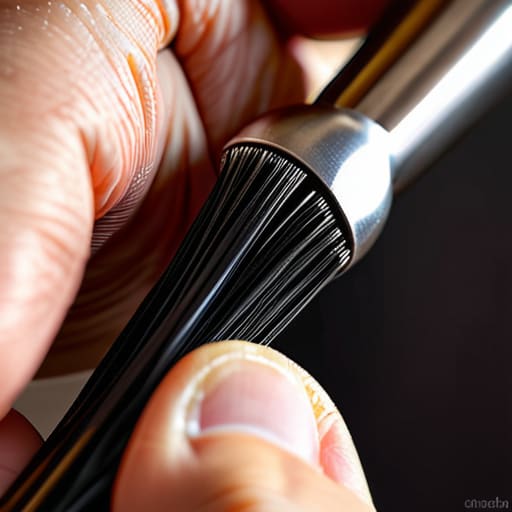
One thing people often miss when they’re dealing with vacuum cleaner airflow issues is that the blockage isn’t always in the big corrugated hose itself. I’ve spent years pulling machines apart, and half the time, the problem is actually tucked away in the smaller bits. Before you start wrestling with the main pipe, take a moment for some thorough cleaning of your vacuum attachments. Check the crevice tool and the brush head; a single clump of hair or a stray Lego brick stuck in a narrow nozzle can mimic the symptoms of a massive hose clog every single time.
If you’ve cleared the attachments and the suction still feels weak, you’re likely looking at vacuum suction loss troubleshooting deeper in the system. Keep an eye on the temperature, too. If the machine is getting unusually hot, it’s often because the motor is struggling to breathe due to a persistent obstruction. Most people think a hot motor means it’s dying, but more often than not, it’s just a symptom of restricted airflow from a hidden clog. Don’t let a bit of grit kill a perfectly good motor just because you didn’t check the seals.
A few things I’ve learned from eighteen years of looking at junk
- Don’t go grabbing the heavy tools first; most of the time, a simple coat hanger or a long piece of stiff wire is all you need to nudge the obstruction loose.
- Check the connection points where the hose meets the machine and the floor tool, because that’s where the coins and hair ties love to hide.
- If you’re using a wire, be gentle—you don’t want to puncture the inner lining of the hose, or you’ll be buying a new one instead of fixing the old one.
- Always do a visual check with a torch; sometimes you can see the culprit stuck right against the wall of the hose without even taking it apart.
- Once you think it’s clear, run a handful of dry pasta or a few small beads through it; if they make it to the canister, you’ve actually fixed the problem and aren’t just pushing the clog further down.
Before You Call a Repairman
Most “broken” vacuums are just suffocating; a bit of grit in a hose or a clogged filter isn’t a mechanical failure, it’s just a blockage that needs clearing.
Don’t go buying a new machine the moment the suction drops; nine times out of ten, you’re only a five-pound part or a bit of elbow grease away from having a working appliance again.
Keep your tools handy and take your time—it’s much easier to clear a path through a hose than it is to replace a burnt-out motor caused by forcing a blocked machine to run.
Don't Give Up on It Just Yet
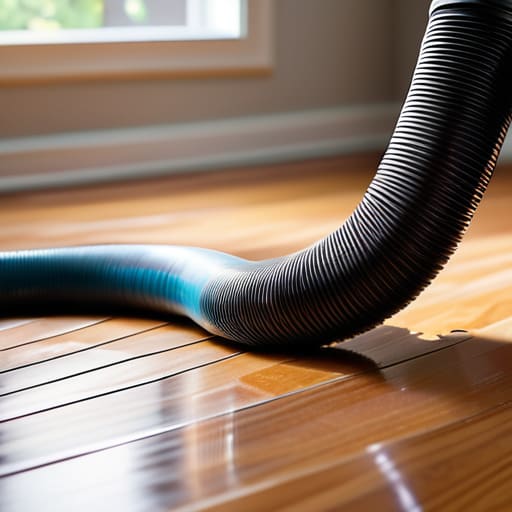
At the end of the day, clearing a blockage is usually just a matter of patience and a bit of elbow grease. You don’t need a degree in engineering to realize that most “broken” vacuums are really just victims of a stray sock, a clump of pet hair, or a handful of coins wedged in the wrong place. Just remember to check your filters as well as the hose, because a clogged filter can mimic a blocked pipe every single time. If you’ve taken the time to go through the steps—unplugging the machine, checking the bends, and clearing the path—you’ve already done more than most people would bother to do.
It honestly pains me to see perfectly good machines heading for the tip just because someone couldn’t find a bit of grit stuck in a tube. We live in a world that wants you to just click ‘buy’ on a new model the moment something feels a bit sluggish, but there is a real satisfaction in fixing what you already own. Every time you clear a hose instead of replacing the whole unit, you’re saving a bit of money and keeping a bit of waste out of the landfill. Give it a go; your vacuum—and your wallet—will certainly thank you for it.
Frequently Asked Questions
What if I can't see the blockage even after I've taken the hose apart?
If you’ve got the hose off and still can’t spot the culprit, don’t start panic-buying a new machine. It’s usually tucked right in a bend where the light won’t reach. Grab a torch and a long, flexible wire—even a straightened coat hanger works if you’re careful. I’ve seen everything from stuck coins to clumps of pet hair wedged tight. Just push through the obstruction gently; you’re looking for resistance, not trying to punch a hole through it.
Is it safe to use a coat hanger to poke through the blockage, or will I puncture the hose?
I wouldn’t risk it. Using a metal coat hanger is a quick way to end up with a hole in your hose, and once that suction’s gone, you’re looking at buying a new one. I’ve seen far too many people puncture the inner lining trying to be clever. If you must poke at something, use a wooden dowel or even a long, sturdy knitting needle. It’s much more forgiving on the plastic.
How often should I actually be checking these filters and hoses before they cause a motor to overheat?
Look, don’t wait for the smell of burning plastic to tell you something’s wrong. If you’re using your vacuum every day, I’d check the filters once a month and give the hose a quick inspection every few months. If you’ve got pets or thick carpets, do it more often. I’ve seen far too many motors fried simply because someone was too busy to clear a bit of lint. Stay ahead of it.
