








I was knee-deep in a damp laundry room in Bedminster last Tuesday, staring at a washing machine that looked like it had been through a war zone. The customer was convinced they needed a brand-new digital control board, but as I pulled the casing back, I saw the truth: a tiny, melted plastic clip and a bit of calcified sludge. It’s the same story every week. People see a flashing error code and immediately assume the machine is dead, but they rarely stop to ask when a repair is not worth it versus when they’re just being sold a bill of goods. Most of the time, the “broken” appliance is just a machine that hasn’t been breathed on in five years.
I’m not here to give you a lecture on consumer rights or a complicated cost-benefit spreadsheet. I’ve spent eighteen years pulling filters and clearing hoses, and I’ve learned exactly where the line is drawn between a quick fix and a total write-off. In this post, I’m going to tell you the honest truth about which machines are worth your time and which ones are just expensive paperweights waiting to happen.
The Quiet Dignity of Knowing When a Repair Is Not Worth It

There’s a certain satisfaction in knowing exactly when to put the screwdriver down. I’ve spent eighteen years in Bristol pulling out clogged pumps and frayed belts, and I’ve learned that there is a fine line between being resourceful and being stubborn. People often think they’re being sensible by clinging to a machine that’s clearly on its last legs, but they usually end up chasing diminishing returns on maintenance. You spend forty quid on a new heating element only to have the control board fry two weeks later. It’s not about giving up; it’s about recognizing the limit.
I always use a simple rule of thumb for appliance repair: if the cost of the part and my time starts creeping toward half the price of a new, more efficient model, I tell the customer to walk away. It’s a hard pill to swallow when you’ve grown fond of a particular washing machine, but ignoring the economic life of household goods is a quick way to waste money. There is a quiet dignity in admitting a machine has served its purpose and letting it go, rather than forcing a life that isn’t there anymore.
Watching the Diminishing Returns on Maintenance Take Hold
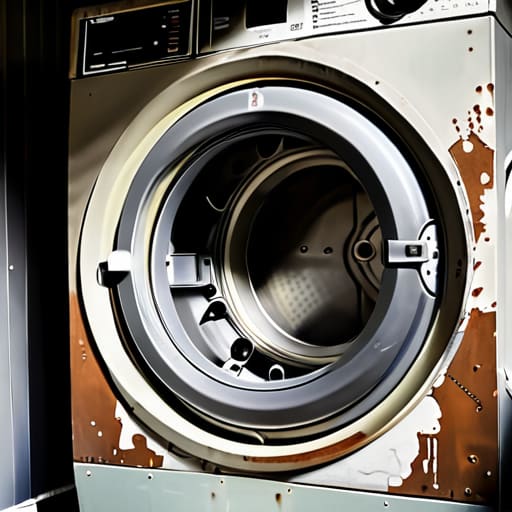
There’s a specific point in a machine’s life where every little fix feels like a victory, but in reality, you’re just throwing good money after bad. I see it all the time with older washing machines. You replace a worn-out belt, and six months later, the bearings go. You swap out a pump, and suddenly the control board starts acting up. It’s the classic case of diminishing returns on maintenance; you’re spending more on parts and my call-out fee than the machine is actually worth.
My personal rule of thumb for appliance repair is pretty simple: if the cost of the part and the labour starts creeping toward half the price of a brand-new, energy-efficient model, it’s time to let it go. People get attached to their old gear, but there’s no sense in trying to squeeze an extra year out of a motor that’s clearly tired. At some point, you have to stop looking at it as a quick fix and start looking at the repair cost vs replacement cost ratio. Once that line is crossed, you aren’t maintaining an appliance anymore—you’re just subsidizing its slow death.
My Golden Rule of Thumb for Appliance Repair

After eighteen years of pulling out clogged pumps and burnt-out motors, I’ve developed a bit of a rule of thumb for appliance repair that keeps me from wasting my Saturday afternoons. I don’t bother with complex spreadsheets or fancy math, but I do keep a mental tally of the repair cost vs replacement cost ratio. If the bill for a new heating element and a service call is creeping up toward half the price of a brand-new, energy-efficient model, I’m telling the customer to walk away.
It isn’t about being stingy; it’s about being realistic. I’ve seen too many people sink eighty quid into an old vacuum just to have the motor give up the ghost two weeks later. You have to look at the overall health of the machine. If the casing is cracked, the electronics are finicky, and the pump is struggling, you aren’t fixing a tool—you’re just subsidizing a corpse. Sometimes, the most sensible thing you can do is close the lid and move on.
Calculating Repair Roi Before the Metal Fails
When I’m standing in a kitchen in Clifton or Bedminster, staring at a washing machine that’s decided to give up the ghost, I don’t just look at the broken part. I look at the clock. If that machine is pushing twelve years old, the repair cost vs replacement cost ratio is usually working against you. It’s easy to get caught up in the logic of “it’s just a pump, it’s cheap,” but you have to factor in the inevitable next failure. If you spend eighty quid today to fix a pump, but the drum bearings go in six months, you haven’t saved money; you’ve just delayed the inevitable.
I always tell people to think about the economic life of household goods. A machine isn’t just a collection of parts; it’s a countdown. When I’m calculating repair ROI, I’m looking at whether that money is an investment or just a bandage on a sinking ship. If the cost of the fix hits more than half the price of a brand-new, energy-efficient model, put your wallet away. You aren’t being cheap; you’re being sensible.
Respecting the Economic Life of Household Goods
I’ve spent eighteen years looking at the insides of machines, and if there’s one thing I’ve learned, it’s that every appliance has a natural expiration date. It isn’t always a sudden, dramatic bang; usually, it’s a slow fade. You start seeing the diminishing returns on maintenance when you’re replacing a pump one month and a control board the next. At a certain point, you aren’t really maintaining an appliance anymore; you’re just subsidizing its slow death.
When I’m standing in a customer’s kitchen in Bristol, I’m not just looking at a broken heating element. I’m looking at the economic life of household goods. There is a specific threshold where the repair cost vs replacement cost ratio simply stops making sense. If the part alone costs half what a new, more efficient model would, you’re better off letting the old one go. I’ve got a drawer full of filters from scrapped machines that probably could have lived another year, but even I know when it’s time to stop pouring good money after bad.
Five Signs You Should Put the Screwdriver Down
- If the part you need is no longer manufactured, don’t go hunting on eBay for a second-hand version of a broken machine. You’re just trading one headache for another, and usually, the part you find will be just as tired as the one you’re replacing.
- When the cost of the replacement component is more than half the price of a brand-new, more efficient model, walk away. I’ve seen people spend eighty quid on a motor for a machine that’s held together by luck and old limescale.
- Watch out for the “cascading failure.” If the heating element has gone, but the drum is starting to rattle and the control board looks like it’s seen better days, fixing the one thing won’t stop the rest from falling apart next week.
- If the machine is making a noise that sounds like a bag of spanners in a tumble dryer, it’s usually the bearings. On most modern machines, that’s a death sentence because the outer tub is sealed shut. You can’t fix what you can’t get into.
- Don’t ignore the age of the machine. If it’s over a decade old and a major component dies, it’s not a repair job; it’s a retirement party. Save your money for something that actually has some life left in it.
The Bottom Line
Don’t let a bit of pride get in the way; if the cost of a new part and my time is half what a new machine costs, it’s time to stop tinkering and start shopping.
Always check the simple stuff first, like a blocked hose or a clogged filter, before you decide the whole unit is a write-off.
Learn to spot the difference between a machine that needs a bit of love and one that’s just tired and ready to be scrapped.
The Final Decision
At the end of the day, deciding whether to fix a machine or bin it isn’t just about the math; it’s about knowing when you’re fighting a losing battle. I’ve seen too many folks spend eighty quid on a technician just to find out the motor is shot, or worse, spend three hours scrubbing a pump only for the control board to fry the next week. You have to look at the age of the unit, the cost of the parts, and whether you’re just throwing good money after bad. If the metal is fatigued and the electronics are ancient, sometimes the most sensible thing you can do is walk away from the workbench.
I don’t say this to encourage a throwaway culture—far from it. I want things to last, and I still spend my weekends seasoning old cast iron because it deserves a second life. But there is a certain wisdom in recognizing when a machine has simply given all it can. Choosing a new, efficient model over a patchwork repair isn’t a failure; it’s a way of respecting your own time and resources. Don’t let a broken washing machine turn into a headache that lasts longer than the machine itself. Know your limit, and move on.
Frequently Asked Questions
If the motor is still humming but it's not spinning, is that a simple fix or am I just throwing good money after bad?
If you hear that hum, the motor is at least trying, which is a good sign. Usually, it means the motor itself is fine, but something’s blocking its path. Check the drive belt first; if it’s snapped or slipped, it’s a cheap fix. If the belt is fine, you might be looking at a seized bearing or a bunged-up pump. It’s worth opening up, but if the drum feels like it’s welded shut, walk away.
How do I know if a part is actually worn out or if it's just a bit of gunk in the wrong place?
It’s the oldest trick in the book. If a pump is making a grinding noise, don’t go ordering a new one just yet. Pull the filter and check for a rogue coin or a buildup of hair and lint first. If it’s just gunk, a bit of warm soapy water and a toothbrush will sort it. But if the part is physically pitted, cracked, or the plastic has gone brittle? That’s when you know it’s time to replace it.
At what point do I stop trying to patch things up and just admit it's time to go shopping for a new one?
You stop when you’re fixing the same symptom twice in a month. If I’m coming back to your house to clear the same blockage or replace the same worn belt for the third time, the machine is telling you it’s tired. Once you’re spending more on parts and my call-out fee than a decent new model costs on sale, stop patching it. Don’t throw good money after bad just because you’re sentimental.
