







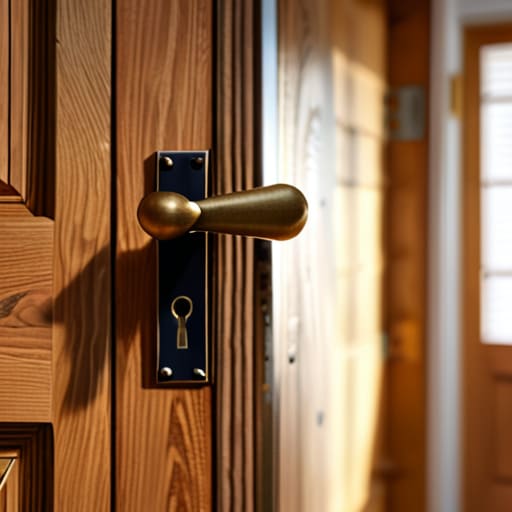

People will tell you that a door that won’t stay shut or a hinge that screams every time you walk past means you need a carpenter or a brand-new replacement. That is absolute rubbish. In my eighteen years of pulling apart washing machines and vacuums, I’ve learned that most “broken” things are just crying out for a bit of attention. Most of the time, when you’re checking a door catch and hinges, you aren’t looking for a catastrophic failure; you’re usually just looking for a bit of grit, a loose screw, or a piece of metal that’s drifted slightly out of alignment. It’s rarely the expensive fix people fear, and it’s almost never a reason to bin the whole unit.
I’m not here to give you a lecture on architectural engineering or sell you a fancy toolkit you’ll never use. I want to show you how to look at your hardware with a practical eye. I’ll walk you through exactly how to spot a worn catch, how to tighten up a sagging hinge, and how to tell the difference between a simple fix and a genuine problem. We’re going to keep this straightforward and sensible, focusing on the small adjustments that keep your home running without costing you a fortune.
Guide Overview
Tools & Supplies
- Screwdriver (Phillips or flathead for tightening screws)
- Lubricant (WD-40 or silicone spray for squeaks)
- Flashlight (to inspect dark hinge gaps)
- Replacement screws (small pack if existing ones are stripped)
- Cleaning cloth (to wipe away old grease or dust)
Step-by-Step Instructions
- 1. First, get yourself a decent torch and a screwdriver—don’t bother with those flimsy little ones that strip the heads; you want something that actually grips. Clear away any clutter around the door so you have a bit of breathing room to move. You can’t see what’s going on if you’re fighting with a pile of laundry or a stack of magazines.
- 2. Give the door a gentle swing to see how it’s behaving. If it’s dragging along the bottom or hitting the frame on one side, you’re looking at a hinge alignment issue, not a broken latch. Watch closely to see if the door wobbles when it’s closed; a loose door usually means the screws in the hinge plates have worked themselves partially free over the years.
- 3. Now, take a look at the hinges themselves. Check every single screw to make sure they are tight and flush against the wood. If you see a screw that’s spinning aimlessly without tightening, the hole is likely stripped. I’ve seen plenty of people throw a whole door away when all they really needed was a toothpick and some wood glue to fill that gap and give the screw something to bite into.
- 4. Inspect the hinge pins for any signs of wear or “play.” If the door feels heavy or sags, pop the pin out (if it’s the type that allows it) and check if it’s bent or worn thin. A little bit of silicone grease on a clean pin can do wonders, but if the metal is pitted or uneven, you’re better off replacing the hinge entirely.
- 5. Move your attention to the catch or the strike plate—that’s the metal bit on the frame that the latch clicks into. Look for any deep scratches or gouges in the metal. If the latch isn’t lining up with the hole, you can usually just loosen the screws on the strike plate and nudge it up or down a fraction of an inch until the click sounds right again.
- 6. Check the latch itself for any grit or buildup. I’ve pulled out enough machines to know that a bit of dried grease or even just household dust can make a spring-loaded latch feel sluggish. Wipe it down with a clean cloth and a bit of rubbing alcohol to get the gunk off, then test the mechanism to make sure it snaps back quickly and firmly.
- 7. Finally, do a full test run. Open and close the door several times, checking that it doesn’t bind or squeak. If it stays shut without you having to shoulder it into place, you’ve done the job. It’s usually a matter of tightening a screw or cleaning a bit of debris, rather than needing a whole new set of hardware.
Understanding Checking a Door Catch and Hinges

Most people think a sticking door is a sign the whole thing is warped or needs replacing, but usually, it’s just a bit of mechanical fatigue. After eighteen years of pulling apart everything from washing machine doors to heavy pantry cabinets, I’ve learned that the devil is always in the alignment. If you’re dealing with a door that won’t quite sit flush, you’re likely looking at door latch alignment troubleshooting. It’s rarely a catastrophic failure; it’s usually just a screw that’s vibrated loose over time or a strike plate that has shifted a fraction of a millimeter.
I’ve seen plenty of folks get frustrated and call a handyman, when all they really needed was some door strike plate adjustment or a quick round of tightening loose door hardware. If the door is dragging on the floor, don’t go buying a new frame. Often, you’re just looking at a hinge that’s tired. A bit of proper lubrication or repositioning the top hinge can do wonders for preventing door sag before it becomes a real headache. It’s about listening to what the machine—or in this case, the door—is trying to tell you.
Key Things to Know
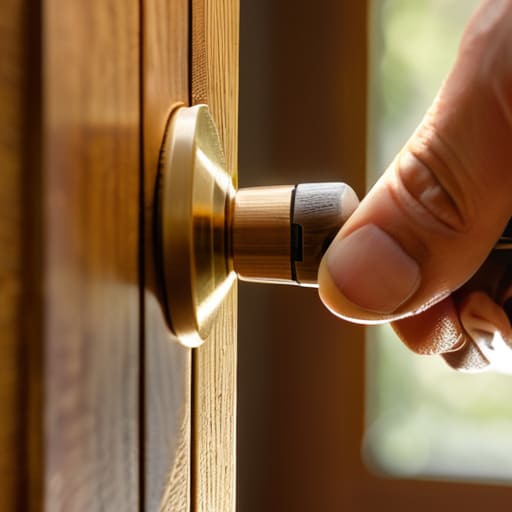
One thing I’ve learned after nearly two decades of pulling things apart is that most people jump to conclusions far too quickly. They hear a noise and assume the whole unit is shot, when really, it’s just a bit of grit or a loose screw. If you’re dealing with a door that won’t sit right, don’t go ordering a whole new assembly just yet. Often, a bit of door strike plate adjustment is all it takes to get things clicking back into place. It’s usually just a matter of moving that little metal plate a few millimetres so the latch actually has something to grab onto.
You also need to keep an eye on the weight of the door itself. Over time, gravity is a persistent enemy, and you’ll find yourself preventing door sag by simply tightening up the mounting screws. If the hardware feels wobbly, it’s not broken; it’s just asking for a screwdriver. And for heaven’s sake, if you hear a protest every time the door moves, don’t just ignore it. A little bit of proper lubricating on the pins will do more for the longevity of the machine than any expensive replacement part ever could.
A Few Bits of Wisdom from the Workbench
- Don’t go grabbing the heavy tools first; most of the time, a bit of WD-40 or some silicone spray on a dry hinge is all it takes to stop that annoying squeak or drag.
- Keep an eye out for the little screws that have worked themselves loose over the years; a door that’s sagging usually just needs a quick tighten rather than a whole new set of hinges.
- If you see metal shavings or fine black dust around the hinge, that’s a dead giveaway that the metal is grinding against itself, and it’s time to look at lubrication or replacement.
- Check the alignment of the catch against the strike plate; if they aren’t meeting up square, you’ll end up forcing the door, which eventually snaps the plastic or bends the metal.
- While you’re at it, take a cloth and wipe away the buildup of dust and grease from the hinge pins; it’s amazing how much gunk can actually act like sandpaper and wear your hardware down.
The Bottom Line
Most “broken” doors aren’t actually broken; they’re just dirty or slightly out of alignment, usually needing nothing more than a bit of grease or a tightened screw.
Don’t go buying a whole new appliance just because the door won’t latch; nine times out of ten, the catch is just worn down or blocked by something that shouldn’t be there.
Catch the problem early by listening for odd clicks or feeling for resistance, because a small hinge adjustment now saves you a much bigger headache later.
Don't Toss It Just Yet
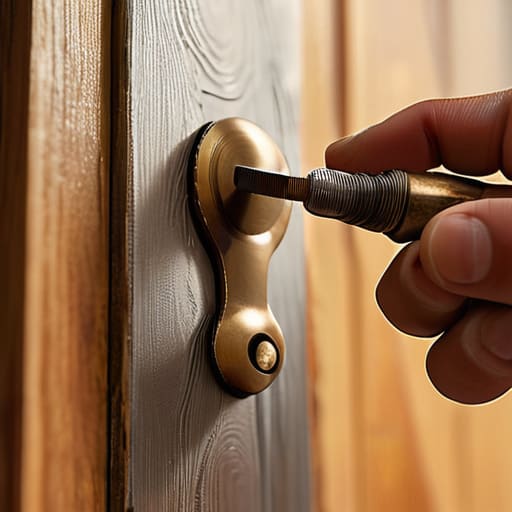
At the end of the day, checking your door catch and hinges isn’t some complex engineering feat; it’s just about paying a bit of attention to how things move. Whether you’ve found a loose screw that needs a quick turn, a hinge that’s screaming for a drop of oil, or a catch that’s simply lost its grip, most of these issues can be sorted with a bit of patience and the right screwdriver. Remember, if the door isn’t sitting flush or it’s making a racket, the problem is almost always right there in plain sight. You don’t need to call out a specialist or start browsing for a replacement just because something feels a bit wonky.
I’ve seen far too many perfectly good machines and cupboards end up in a skip simply because someone thought a sticking door meant the whole thing was beyond repair. It’s a waste, plain and simple. Taking ten minutes to inspect your hardware and tighten things up isn’t just about saving money; it’s about respecting the things you own. Once you start looking at your appliances through a lens of maintenance rather than replacement, you’ll realise that most things aren’t actually broken—they’re just asking for a little bit of care. Keep those tools handy and don’t let a small fix slip through your fingers.
Frequently Asked Questions
If I find the hinge is rusted or stiff, can I just use a bit of WD-40 to fix it, or will that make a mess of the machine?
Don’t go reaching for the WD-40 just yet. It’s a great degreaser, but it’s a terrible long-term lubricant for something like a machine hinge; it evaporates too fast and leaves a sticky residue that actually attracts dust and grit. You’ll end up with a gummy mess that makes the stiffening worse in a month. Get yourself a proper lithium grease or a silicone spray instead. It stays where you put it and does the job properly.
Is it worth trying to realign the door myself if the catch isn't lining up, or am I just going to snap something?
Look, if it’s just a loose screw or a hinge that’s sagged a millimetre, go for it. Most of the time, a bit of tightening is all it takes. But if you’re seeing cracked plastic or the metal itself is bent out of shape, stop right there. You’ll end up snapping a mounting bracket, and then you’re looking at a much more expensive repair. If it feels forced, it’s probably broken.
How do I know if the catch is actually broken or if it's just a bit of grit and limescale buildup stopping it from clicking?
It’s usually the grit. If you can still see the spring or the mechanism moving, but it’s just feeling “crunchy” or refusing to seat properly, that’s your culprit. I’ve seen plenty of washing machine doors that looked dead but just needed a bit of warm water and an old toothbrush to clear out the limescale. If the metal is snapped or the plastic is sheared, then it’s broken. Otherwise, it’s just dirty.
