







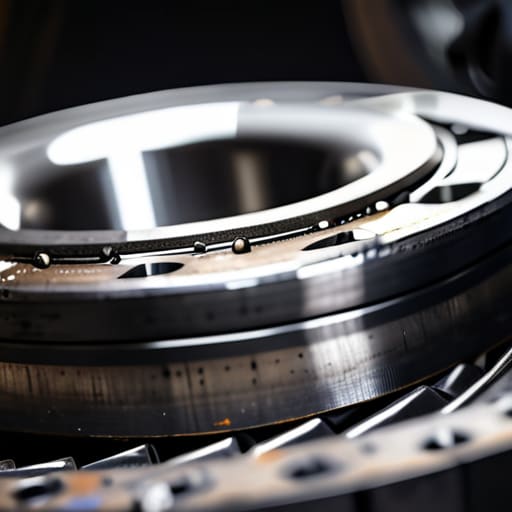

I was in a terraced house in Bedminster last Tuesday, kneeling on a damp linoleum floor, when I heard it. It wasn’t just a noise; it was a heavy, rhythmic thwack-grind that seemed to vibrate right up through my knee joints. Most people hear that sound and immediately start Googling “new washing machine prices,” thinking the whole unit is scrap. But if you know how to listen, you’ll realize that sound is the unmistakable signature of when a bearing is going. It’s a mechanical groan, a desperate plea for a bit of grease or a replacement part, rather than a death sentence for your kitchen appliances.
I’ve spent eighteen years pulling these machines apart, and I’m telling you now: don’t let a salesperson talk you into a three-hundred-pound replacement when the problem is a single component. In this post, I’m going to cut through the jargon and tell you exactly what to listen for, what to feel for, and how to tell the difference between a simple fix and a lost cause. I promise no fluff and no expensive nonsense—just straight talk from someone who has seen it all.
The Whispers Before the Crash When a Bearing Is Going
It starts small. You’re sitting in the living room and you catch it—a faint, rhythmic thrumming that wasn’t there last week. At first, you’ll probably blame it on the neighbor’s lawnmower or a heavy lorry passing by on the Bristol roads, but it’s actually coming from the laundry room. These audible grinding sounds are the machine’s way of telling you it’s struggling. It isn’t a sudden bang; it’s a slow, creeping nuisance that grows more insistent with every spin cycle.
If you listen closely during the high-speed spin, you’ll notice the pitch changes. It’s not the usual hum of a healthy motor; it’s a metallic, hollow drone. I’ve seen plenty of folks ignore this, thinking it’s just “character” in an older machine. But if you catch those bearing failure symptoms early, you might save the whole unit. If you wait until the drum is wobbling like a loose tooth or the casing feels hot to the touch, you aren’t just looking at a repair anymore—you’re looking at a total write-off.
Decoding Mechanical Noise Troubleshooting and Those Audible Grinding Sounds
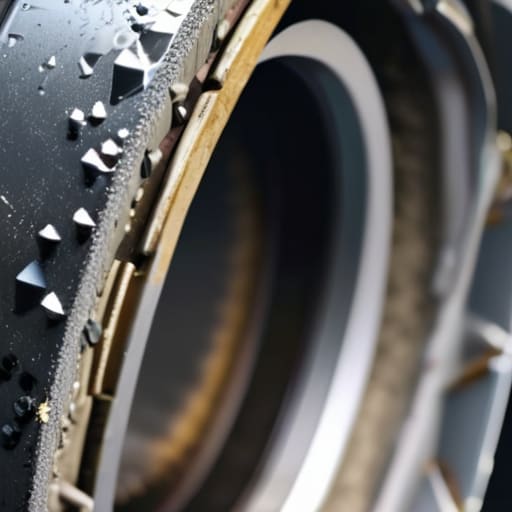
When you’re doing your own mechanical noise troubleshooting, you have to stop thinking like a consumer and start listening like a mechanic. Most people hear a noise and just turn the volume up on the telly, hoping it goes away. But a machine will always tell you its secrets if you pay attention. You aren’t just looking for a loud bang; you’re listening for those subtle, audible grinding sounds that happen during the spin cycle. It’s a gritty, metallic texture to the sound, almost like someone has poured a handful of gravel into the drum.
If you want to be certain you’re dealing with bearing failure symptoms rather than just an unbalanced load, try the hand test. With the machine off, reach in and give the drum a firm push. If there’s any play—any sort of wobble or a feeling that the drum isn’t sitting perfectly centered on its axis—you’ve found your culprit. I’ve seen plenty of folks mistake a simple blocked pump for a total breakdown, but once you recognize these bearing wear patterns, you’ll know exactly when it’s time to grab the spanners.
Reading the Scars Identifying Subtle Bearing Wear Patterns
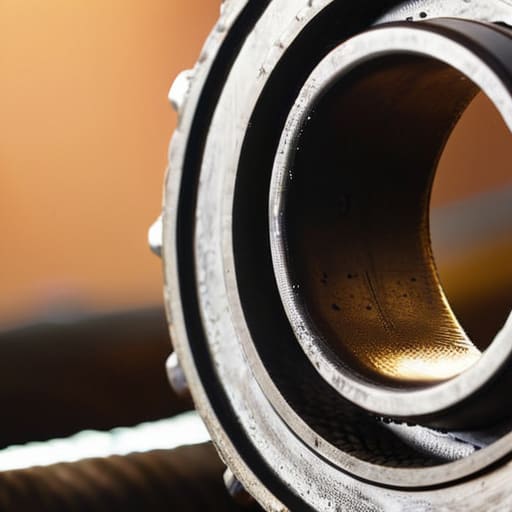
If you’ve already ruled out a loose coin or a rogue bra wire, it’s time to get your hands dirty. I usually start by pulling the machine out and giving the drum a manual spin. If it doesn’t feel smooth—if there’s a certain grainy, sand-like resistance as it turns—you’re looking at early bearing wear patterns. A healthy machine should spin with a light, airy hum; a dying one feels heavy, like you’re pushing through thick sludge.
Once you’ve got the back panel off, pay close attention to the heat. I’ve seen plenty of jobs where the casing near the motor was warm to the touch even after the machine had been idle for an hour. That’s a dead giveaway for vibration and heat detection issues. If the drum has any noticeable play—meaning you can lift it up and down independently of the outer tub—the seal has likely perished, letting water into the metal. It’s a messy, terminal sort of damage, but catching it early is the only way to avoid a total mechanical meltdown.
The Fever and the Tremor Vibration and Heat Detection
If the noise hasn’t spooked you yet, the machine’s physical behaviour eventually will. When a bearing starts to lose its integrity, it doesn’t just make a racket; it starts to fight the very concept of balance. You’ll notice the drum isn’t just spinning; it’s shuddering. It’s a violent, rhythmic dancing that makes the whole unit feel like it’s trying to migrate across your kitchen floor. This isn’t just a heavy load or a poorly levelled foot—it’s the internal geometry of the machine failing.
Then there’s the heat. I’ve had plenty of jobs where the customer says the machine “felt strange” during the spin cycle. If you’re brave enough to carefully check the casing or the area near the drum housing after a cycle, you might feel a localized warmth that shouldn’t be there. This is a classic sign of vibration and heat detection in action. That heat is pure friction, the result of metal rubbing against metal because the smooth, lubricated surface has been replaced by grit and uneven edges. Once that heat starts building up, you’re looking at a serious case of bearing failure symptoms that won’t fix themselves with a simple reset.
Spotting Bearing Failure Symptoms Before the Machine Breaks
If you’re waiting for the machine to actually stop spinning before you take notice, you’ve already lost the battle. By then, you aren’t just looking at a repair; you’re looking at a replacement. The trick is to catch those early bearing failure symptoms while they’re still just nuisances. I’ve spent enough years hunched over drum assemblies to know that the machine will try to tell you it’s struggling. It starts as a subtle change in the rhythm of the spin cycle, something that feels just a hair off from the way it sounded when it was brand new.
Don’t ignore that slight shudder during a high-speed spin. If you start noticing a strange warmth radiating from the back of the unit or a sudden increase in how much the machine “walks” across the floor, you’re seeing vibration and heat detection in real-time. It’s the machine’s way of protesting. If you catch it during this stage, a bit of preventative maintenance might save you the cost of a whole new appliance. Most people wait until the noise becomes a scream, but if you listen closely now, you can still save the day.
A Few Bits of Advice Before You Reach for the Wrench
- Don’t just trust your ears; use your hands. If you run your palm along the side of the drum while it’s spinning—carefully, mind you—and you feel a shudder or a warmth that shouldn’t be there, that bearing is already halfway to the scrap heap.
- Stop the “quick fix” mentality. I’ve seen people try to drown a noisy machine in WD-40 or grease to quiet it down, but all that does is mask the problem for a week before the whole thing seizes up properly.
- Check the seal before you assume the worst. Sometimes a bit of grit or a stray coin rattling around can mimic that grinding sound, and I’d hate to see you tear a machine apart only to find out it was just a rogue bra wire in the drum.
- Watch the water. If you start seeing oily streaks or a strange, murky tint in your wash water, that’s the bearing’s lubricant leaking out. Once that happens, the clock is ticking very loudly.
- Keep a bit of patience. If you do decide to tackle the bearing yourself, don’t rush it. It’s a messy, fiddly job that requires getting stuck in, and if you try to half-measure the extraction, you’ll end up making a much bigger mess than a simple repair warrants.
Don't Wait for the Bang
Trust your ears over your eyes; if you start hearing a rhythmic grinding or a heavy drone during the spin cycle, that bearing is already halfway to the scrap heap.
Heat and vibration are your biggest red flags—if the machine is shaking like it’s trying to walk across the kitchen floor, stop using it before the damage spreads to the drum.
Catching it early saves the machine; once that noise turns into a violent shudder, you’re usually looking at a total write-off rather than a simple repair.
Don't Wait for the Silence
At the end of the day, catching a failing bearing is all about paying attention to the things most people ignore. Whether it’s that low, rhythmic grinding that sets your teeth on edge, a sudden heat radiating from the drum, or a machine that starts dancing across the kitchen floor, these aren’t just quirks—they are warnings. If you can spot the vibration or hear the subtle shift in tone before the metal starts screaming, you’ve already won half the battle. It’s the difference between a simple, timely repair and having to scrap the entire unit because you let a small mechanical hiccup turn into a total catastrophic failure.
I’ve spent eighteen years pulling machines apart, and I can tell you that most of them don’t actually need replacing; they just need someone to listen to them. We live in a world that tells us to toss it and buy a new one the moment something sounds “off,” but there is a real, quiet satisfaction in tending to your tools instead of discarding them. Don’t let a bit of worn steel rob you of a perfectly good appliance. Listen to the machine, catch the symptom early, and keep that motor spinning for another decade.
Frequently Asked Questions
If I hear that grinding noise, can I just keep using the machine for a few more weeks, or am I asking for a flooded kitchen?
Look, I’ve seen it a thousand times. You can try to limp along for a few weeks, but you’re playing a dangerous game. Once that grinding starts, the metal is eating itself. Eventually, the bearing seizes or the seal fails entirely, and that’s when you get a deluge of soapy water across your kitchen floor. If you hear the noise, stop the cycle. It’s much cheaper to replace a bearing than a floor.
Is there any way to actually fix a bearing myself, or is that one of those jobs where I'm better off just buying a new machine?
Look, I’ll be straight with you. If it’s a standalone washing machine, you can do it, but it’s a massive job. You’ll have to strip the whole thing down to the frame. If you’re handy and have the patience, go for it. But if it’s a cheap, modern unit? Honestly, by the time you’ve bought the new bearings, the seals, and the tools, you’re halfway to the cost of a new machine.
Could a simple blocked filter or a loose coin in the drum be making that same rattling sound, or is it definitely the bearing?
Don’t go pulling the plug just yet. I’ve spent half my career opening up machines that people swore were dead, only to find a stray 50p piece or a bra wire dancing around the drum. A blocked filter can make a machine act temperamental, too. If the sound is a sharp, rhythmic clatter, check for loose bits first. If it’s a heavy, low-pitched growl, then you’re likely looking at the bearing.
