







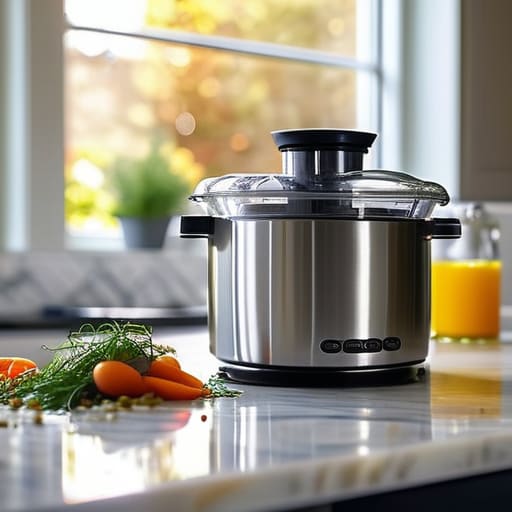

Don’t let those glossy showroom displays fool you; you don’t need a machine that costs more than my first car just to chop an onion. I’ve spent eighteen years pulling apart appliances in Bristol, and most of the time, the “high-tech” features people pay a premium for are just extra bits to break. When you’re looking at how to choose a food processor, the marketing teams want you to obsess over digital touchscreens and fancy attachments you’ll use once a year. But from where I’m sitting, looking at the guts of a machine, those bells and whistles are usually just a distraction from a weak motor and cheap plastic gears that will strip the moment you try to process something substantial.
I’m not here to sell you a lifestyle; I’m here to tell you what actually stays running. I’ve opened more food processors than most people will ever own, and I know exactly which ones are built to last and which ones are destined for the scrap heap because of a single faulty connection. In this guide, I’m going to strip away the hype and show you how to spot a machine with real staying power. We’re going to focus on the things that matter: motor torque, build quality, and ease of cleaning.
The Machines That Survived Me How to Choose a Food Processor
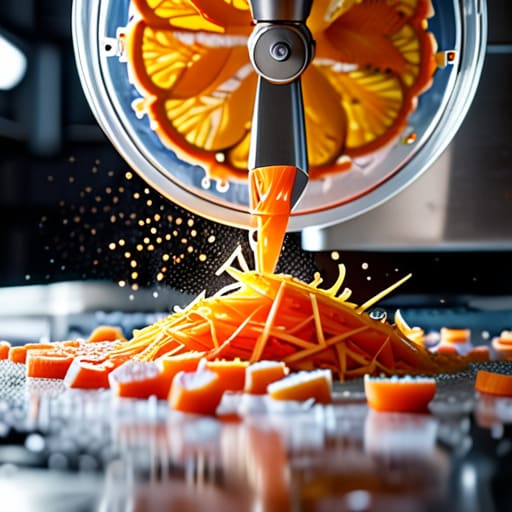
When you’re looking at a box on a supermarket shelf, the shiny pictures don’t tell you much. What I look for is what’s under the plastic casing. Most people get caught up in the brand name, but I’m looking at the food processor wattage and power to see if that motor is actually going to struggle the moment you throw a handful of frozen carrots at it. A weak motor is a death sentence; it’ll overheat, the brushes will wear down, and before you know it, the whole thing is headed for the tip. I’ve seen far too many “bargain” models end up in my scrap pile because they simply didn’t have the guts to finish a job.
You also need to think about how you’re actually going to use it. If you aren’t careful, you’ll buy a massive machine that’s a nightmare to wash, or a tiny one that can’t handle a decent amount of capacity for meal prep. I always check the build quality of the attachments, too. You want different types of slicing discs that actually click into place securely, rather than flimsy bits of plastic that feel like they’ll snap if you look at them wrong. If the parts don’t feel substantial, they won’t last.
Raw Strength Why Food Processor Wattage and Power Matter Most
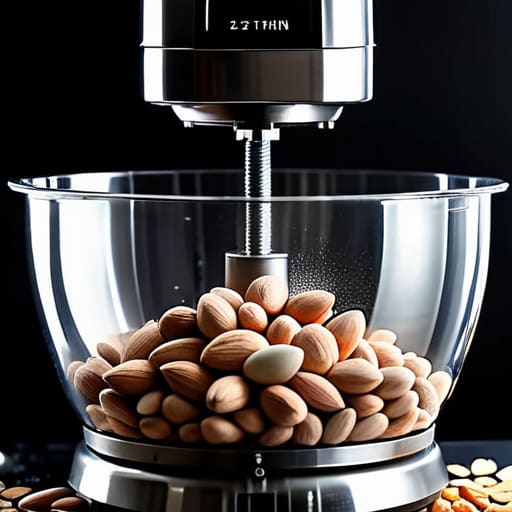
When people bring me a dead appliance, they usually complain about a burnt-out smell. Half the time, it’s because they tried to force a motor to do something it simply wasn’t built for. When you’re looking at food processor wattage and power, don’t just look for the biggest number on the box to impress your neighbors. You want a motor that has enough torque to actually drive the blade through a handful of frozen nuts or a heavy dough without stalling out and overheating. A high-wattage motor isn’t just about speed; it’s about sustained stamina when the bowl is full.
I’ve seen plenty of cheap units seize up because the internal components couldn’t handle the heat generated by a struggling motor. If you’re planning on heavy-duty use, a motor with decent heft means the electrical connections and gears aren’t going to fry after three months of Tuesday night prep. It’s better to spend a bit more on a machine with a robust power base than to end up with a plastic paperweight that gives up the ghost the moment you add a bit of resistance.
Mastering the Blade Different Types of Slicing Discs and Control
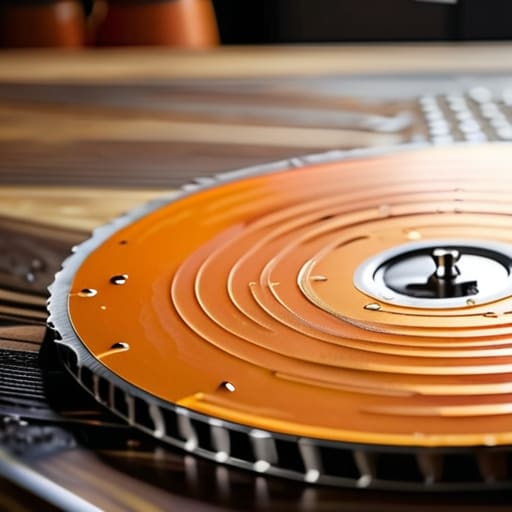
Now, don’t get distracted by the shiny plastic bits in the box. Most people see a pile of discs and think they’re all the same, but if you’ve ever tried to slice a stubborn carrot with a blunt, flimsy attachment, you’ll know better. When you’re looking at different types of slicing discs, you want to check the build quality of the metal. I’ve seen plenty of cheap ones where the teeth are so shallow they just bruise the veg instead of cutting it. You want something with a bit of weight to it—something that feels like it belongs in a kitchen, not a toy box.
The real secret to not turning your salad into mush, though, is how much control you actually have. This is where the pulse function importance comes into play. If a machine only has one speed, it’s useless for anything delicate. You need that quick, sharp burst of energy to chop onions without turning them into a watery soup. I always tell people to test the responsiveness; if there’s a lag between you hitting the button and the blade moving, you’re going to end up with a mess.
The Pulse Function Importance for Those Who Value Precision
Most people treat the pulse button like a joke, or something they only use when they’re in a rush, but if you’ve spent as much time looking at chewed-up ingredients as I have, you’ll know better. When you’re just running the motor on high, you’re essentially handing over control to the machine. It’ll keep spinning until it turns your chunky salsa into a watery soup or your herbs into a green sludge. I’ve seen plenty of motors burn out prematurely because people tried to force a continuous run when the blade was fighting through something too dense.
Understanding the pulse function importance is really about protecting your ingredients and your hardware. It’s that brief, sharp burst of energy that lets you stop the blade exactly when you’ve hit the right texture. If you want a coarse chop for a mirepoix rather than a puree, you need that manual control. It’s the difference between a professional result and a mess that ends up in the bin. When you’re looking at a kitchen appliance buying guide, don’t just look at the shiny bits; look for a machine that responds instantly when you tap that button.
Built to Endure Capacity for Meal Prep and Lasting Maintenance
People always get caught out by the size of the bowl. I’ve seen plenty of folks buy a tiny, sleek little thing only to realize two weeks later that they can’t even chop a decent pile of onions without the motor screaming for mercy. If you’re looking for serious capacity for meal prep, you need to look at the actual volume of that work bowl, not just the footprint it takes up on your counter. A larger bowl means you aren’t running the same batch five times, which saves the motor from unnecessary heat soak.
But size isn’t everything if the machine is a nightmare to keep upright and clean. I’ve spent many a Tuesday afternoon looking at machines that were scrapped simply because the owner couldn’t get the food out of the tight corners. When you’re browsing a kitchen appliance buying guide, look for bowls with rounded edges and parts that actually come apart easily. If it’s a struggle to reach the nooks and crannies, you won’t do it, and that’s when the old food bits start to rot and smell. Good cleaning and maintenance tips start with a design that doesn’t fight you.
Five Things I Look for Before I Plug It In
- Check the drive socket. If it’s all flimsy plastic, don’t bother; the moment you try to chop something tough, those teeth are going to strip, and you’ll be left with a very expensive paperweight.
- Look at the seal on the lid. I’ve spent too many afternoons mopping up lentil soup because a cheap gasket failed under pressure. If the rubber looks thin or poorly fitted, walk away.
- Don’t get blinded by the buttons. A machine with twenty different digital settings is just twenty more circuit boards that can fry. I prefer a solid, heavy dial that actually feels like it’s connected to something.
- Inspect the bowl’s thickness. If you can squeeze the sides of the plastic bowl with your thumb, it’s going to crack the first time the blade hits a hard carrot. You want something substantial.
- Make sure the parts are easy to strip down. If you can’t get into the guts of it to clean out the gunk stuck under the blade, the motor is going to burn out from the strain within a year.
The Bottom Line Before You Buy
Don’t get blinded by fancy digital displays; look for a motor with actual grunt and a build that doesn’t feel like it’s made of recycled yogurt pots.
Check the blade and disc quality carefully, because a machine is only as good as the parts that actually touch your food.
Buy for the capacity you actually need, but make sure the whole thing is easy to strip down and clean, or it’ll just end up sitting in the back of a cupboard.
The Final Check
At the end of the day, picking a food processor shouldn’t feel like a math exam. You just need to remember that a fancy control panel won’t save a motor that’s too weak to handle a bit of heavy dough, and a huge bowl is useless if you can’t actually get the blades out to clean them. Look for that solid, heavy-duty build that doesn’t rattle when you hit the pulse button, and make sure the wattage actually matches what you intend to chop. If you focus on the mechanical essentials—the power, the blade quality, and the ease of taking it apart—you’ll end up with a tool rather than a countertop ornament.
I’ve spent eighteen years pulling broken bits of plastic and burnt-out motors out of people’s homes, and most of the time, it was because they bought something that looked good in a glossy advert but wasn’t built to be maintained. Don’t be afraid to buy something that feels a bit more substantial; it’s better to have a machine that lasts a decade than one that ends up in a landfill because a single plastic cog snapped. Buy something you can actually service, and you’ll find that a well-chosen machine becomes a reliable partner in your kitchen for years to come.
Frequently Asked Questions
Are there any specific brands where the plastic locking mechanisms tend to snap after a year or two?
I’ve seen it a hundred times: a perfectly good motor sitting in a bin because some flimsy plastic tab snapped off. You’ll see this most often with the cheaper, “entry-level” supermarket brands. They use thin, brittle polymers for the lid locks to save a few pennies. If the brand feels light as a feather and the plastic looks translucent, run. I always look for heavy-duty, opaque locking lugs that actually feel like they can take a bit of a shove.
If I’m mostly using it for small tasks, is it worth getting a high-wattage motor, or will that just be a waste of electricity?
Look, I’ve seen plenty of people buy a massive, high-wattage beast just to chop a single onion, and honestly, it’s a bit like using a sledgehammer to crack a nut. If you’re only doing small tasks, you don’t need a motor that could power a small factory. A lower-wattage machine will do the job fine and save you a bit on the electric bill. Just don’t go too cheap, or you’ll be replacing it by Christmas.
How easy is it to actually get the motor base cleaned if something leaks down into the housing?
To be blunt: it’s a nightmare. If juice or batter seeps past the seal and into the motor housing, you’re looking at a sticky, electrical mess. You can’t exactly dunk the base in the sink, and trying to wipe it out with a damp cloth usually just pushes the gunk deeper into the brushes. My advice? Keep a tight eye on those rubber gaskets. If they’re perished, replace them immediately before you’re scrubbing motor windings.
