







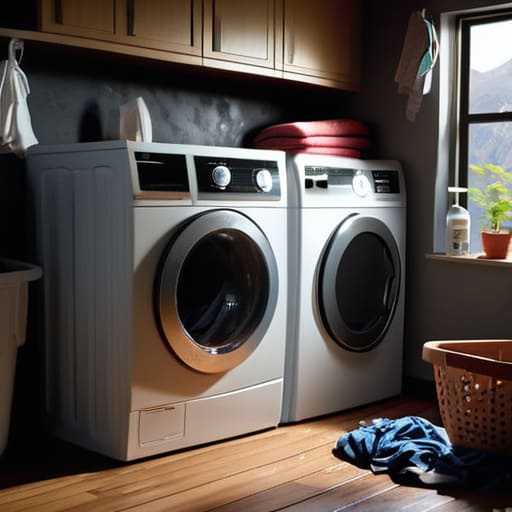

Don’t let those glossy showroom brochures fool you; a machine with twenty different “smart” cycles and a touchscreen isn’t necessarily going to wash your socks any better. I’ve spent eighteen years pulling apart machines in Bristol, and if there’s one thing I’ve learned, it’s that most people spend a fortune on bells and whistles that just end up being another thing to break. When you’re trying to figure out how to choose a washer dryer, you shouldn’t be looking at the fancy digital displays or the Wi-Fi connectivity. You need to be looking at the build quality and how easy it is to actually get inside when a coin gets stuck in the drum.
I’m not here to sell you on the latest high-tech gadget or some overpriced brand name. My goal is to give you the straight truth based on what I see when I’m elbow-deep in a broken appliance. I’ll show you exactly what to look for so you can pick a machine that actually lasts more than a few years. We’re going to focus on the stuff that matters—durability, accessibility, and common sense—so you can stop worrying about your laundry and start buying things that work.
The Truth About How to Choose a Washer Dryer
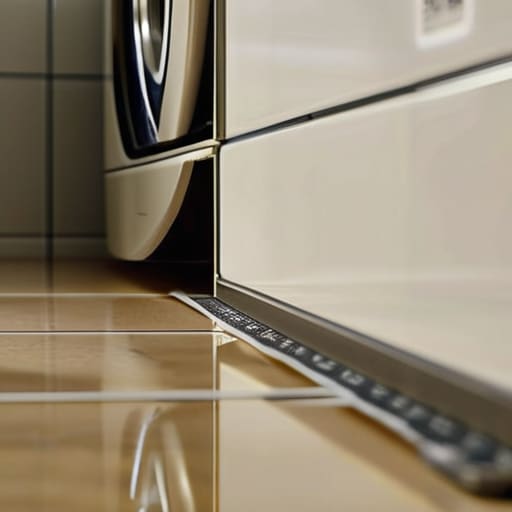
Look, you can spend hours staring at glossy brochures, but most of that is just marketing fluff. When people ask me for advice, I tell them to stop looking at the fancy touchscreens and start looking at the guts of the thing. The biggest mistake I see is people buying a machine that’s too big for their space, only to realize they can’t actually get a wrench in there when it needs a service. You need to measure your laundry appliance dimensions twice—once for the machine itself, and once for the clearance you’ll need to actually open the doors and pull out the hoses.
Then there’s the whole debate about front load vs top load. Everyone has an opinion, but I look at it from a repair perspective. Top loaders are often simpler, but if you’re tight on floor space, stackable laundry units are a lifesaver. Just don’t go for one of those all-in-one combos unless you’re prepared for a bit of a headache; they’re fine for a tiny flat, but they struggle with heavy loads. Honestly, buy for longevity, not for the bells and whistles.
Front Load vs Top Load a Lifetime of Lessons
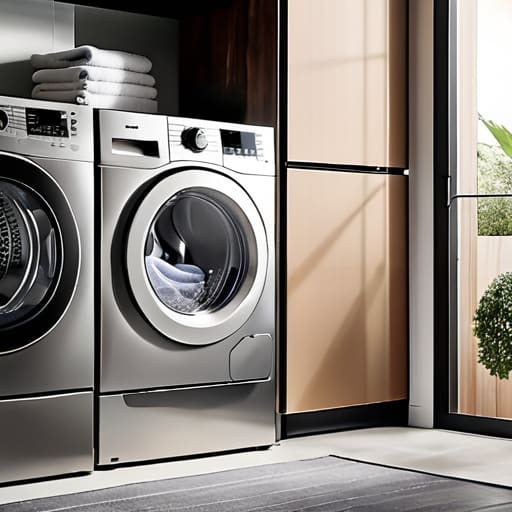
I’ve spent eighteen years pulling these things apart, and the debate over front load vs top load usually comes down to how much you actually want to maintain your machine. Front loaders are the go-to for anyone looking at energy efficient washing machines, as they generally use less water and spin faster to get the clothes drier. But, if you ask me, they’re also more prone to that nasty mould buildup in the door seal if you don’t leave the door ajar. I’ve seen far too many “broken” machines that just needed a bit of vinegar and a wipe-down.
Top loaders are a different breed entirely. They’re easier on your back and much simpler to troubleshoot, which I appreciate. However, they tend to chew through more water and can be a bit rougher on your delicate knits. If you’re dealing with tight laundry room space optimization, you might be tempted by a single unit, but I always tell people to consider the long-term. If one part fails in a combo, you’re left with nothing; separate units just give you more breathing room.
Measuring Twice Laundry Appliance Dimensions and Space Optimization
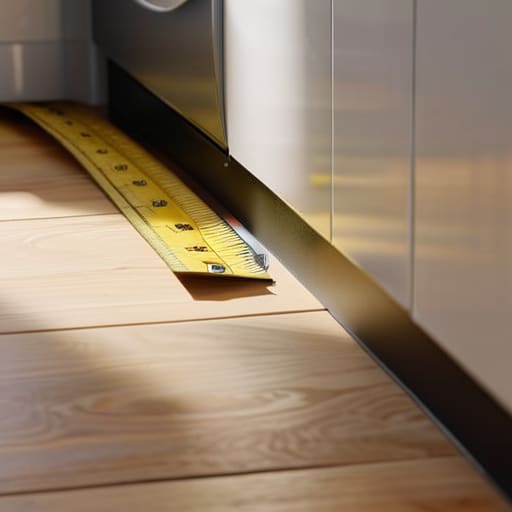
Now, before you get your heart set on a shiny new model, you need to grab a tape measure. I’ve seen it happen a hundred times: someone buys a machine based on a brochure, only to realize it won’t even fit through the kitchen door, let alone into the alcove. When you’re looking at laundry appliance dimensions, don’t just measure the width. You have to account for the depth of the hoses at the back and the clearance needed for the door to swing fully open. If you’re working with a tight corner, a machine that looks perfect on paper might end up being a nightmare to actually use.
If you’re dealing with a tiny utility cupboard, you’ll likely be looking at stackable laundry units or perhaps a washer dryer combo. I’ve pulled apart plenty of those combos, and while they save a massive amount of floor space, they can be a bit finicky if you don’t give them enough breathing room for ventilation. Whether you are aiming for laundry room space optimization or just trying to squeeze a machine into a flat in Clifton, measure the entryways, the floor level, and the plumbing access. It’s much easier to measure twice now than to try and shimmy a heavy, uncooperative machine through a doorway that’s two inches too narrow later.
Energy Efficient Washing Machines Saving More Than Just Water
You’ll see all those flashy stickers on the front of the machines promising to slash your bills, and look, they aren’t lying, but there’s a catch. When people ask me about energy efficient washing machines, they usually focus on the electricity, but it’s the water and the heating element that really eat your money. I’ve seen plenty of “eco” settings that just end up making the cycle run for three hours, which can actually wear out the motor faster if the machine is struggling with a heavy load.
If you’re looking at washer dryer combo pros and cons, keep in mind that these all-in-one units often use more juice to get that final dryness than a dedicated pair would. It’s a bit of a trade-off between your monthly utility bill and the convenience of saving floor space. Personally, I’d rather see you invest in a machine with a solid, serviceable motor and a clear, accessible filter. A machine that’s easy to clean is the real way to save money in the long run, because it stays efficient far longer than any fancy sensor ever will.
Stackable Laundry Units and Combo Pros and Cons
If you’re working with a tiny cupboard or a cramped utility room, you’re probably looking at stackable laundry units or a single combo machine. I’ve seen both sides of the coin over the last eighteen years. Stacking a washer and a dryer is a brilliant bit of laundry room space optimization, but there’s a catch. You have to make sure the stacking kit is solid. I’ve been to houses where the top unit was vibrating so hard it looked like it might take flight, usually because they skipped the proper mounting hardware. If you go the stackable route, you’re getting separate machines, which is better for your sanity; if one breaks, you aren’t left with a very expensive, very heavy metal box that does nothing.
Then there are the all-in-one machines. When people ask me about the washer dryer combo pros and cons, I always tell them to check the drying capacity. Most of these units can wash a full load, but they can only dry about half of it. You end up having to run two cycles just to get your sheets dry. It’s a bit of a headache, but for a small flat, it’s often the only way to go.
Five Things the Salesman Won't Tell You
- Don’t get blinded by the fancy touchscreens. I’ve seen plenty of high-end machines with digital displays go haywire because a bit of damp got into the circuit board. If you want something that actually lasts, look for sturdy, tactile buttons and a mechanical feel. It’s much harder to fix a fried computer chip than it is to replace a simple switch.
- Check the drum material before you sign anything. Some of these newer, cheaper models use thin-gauge steel that can dent or even rust if you aren’t careful. I always look for a heavy, solid drum. A bit of weight in the machine usually means it’s built to handle the vibration of a high-speed spin cycle without walking itself across your kitchen floor.
- Look at the access points. It sounds silly, but make sure the door opens in a way that actually suits your space. I’ve been to houses where the washer was tucked into a corner and the door hit the wall halfway through the cycle. You want to be able to reach the detergent drawer and the filter easily without having to perform gymnastics.
- Don’t ignore the noise rating, especially if you live in a flat. A machine might be “efficient,” but if it sounds like a jet engine taking off every time it spins, you’re going to hate it. Look for models with decent suspension and low decibel ratings. A quiet machine is usually a well-balanced machine, and balance is what keeps the bearings from dying early.
- Always, always check how easy it is to get to the filter. This is my biggest pet peeve. Some manufacturers hide the filter behind a panel that requires a screwdriver and a degree in engineering just to open. If you can’t get to it in thirty seconds, you won’t clean it, and a blocked filter is the number one reason people call me out to “fix” a machine that isn’t actually broken.
My Final Word Before You Pull the Trigger
Don’t get blinded by the fancy touchscreens and digital displays; a machine that’s easy to open and easy to clean is worth ten times more than one that looks like a spaceship.
Measure your space—and your doorways—twice, because there is nothing more heartbreaking than hauling a heavy machine home only to find it won’t fit through the landing.
Buy for the long haul by checking how easy it is to access the filters and hoses, because most “broken” machines I’ve seen were just clogged up with things that should have been cleaned months ago.
Don't Let the Shiny Brochure Fool You
Look, choosing a washer dryer isn’t about finding the one with the most flashing lights or the fanciest touchscreen. It’s about making sure the machine actually fits your life and your plumbing. You’ve got to weigh the space constraints of your utility cupboard against the load capacity your family actually needs, and decide once and for all if you want the efficiency of a front-loader or the convenience of a top-loader. Most importantly, don’t get distracted by the marketing fluff; focus on the build quality and the ease of access to the components. If a machine looks like a sealed black box that no one can ever service, you’re better off walking away.
At the end of the day, a good appliance shouldn’t be a headache; it should be a silent partner in your home. I’ve spent eighteen years pulling out coins, hairpins, and enough grit to build a driveway from machines that people thought were “dead.” If you buy something sensible and—this is the big one—take care of the filters, you’ll get years of honest work out of it. Don’t just buy a machine that looks good in a showroom; buy one that you know you can keep running. After all, the best appliance is the one you never have to call me to fix.
Frequently Asked Questions
Is it actually worth paying extra for a machine with a higher spin speed, or is that just marketing fluff?
It’s not just marketing fluff, but you don’t need a racing car. A higher spin speed means more water is pulled out of the fabric, which sounds great until you realize it also means more wrinkles and more wear on the motor. If you have a tumble dryer, a faster spin is a godsend because it cuts the drying time down. But if you air-dry most things, don’t bother paying the premium.
How much do I really need to worry about the noise levels if the machine is sitting right next to my kitchen?
If it’s sitting right next to where you eat or chat, yes, you should worry. I’ve seen too many people buy a cheap unit only to realize it sounds like a helicopter taking off during a spin cycle. Look for the decibel rating, but don’t just trust the sticker. Check if it has brushless motors or vibration reduction tech. A noisy machine isn’t just annoying; it’s usually a sign of poor balance or cheap bearings.
When I'm looking at these fancy digital displays, am I just paying for bells and whistles that'll break in two years?
Look, I’ve seen enough control boards end up in my scrap bin to tell you this: yes, you’re often paying for a headache. A fancy touchscreen looks lovely in the showroom, but once you get a bit of dampness or a power surge in there, you’re looking at a massive repair bill. If you want a machine that actually lasts, stick to the tactile buttons and dials. They’re harder to break and much easier to fix.
