







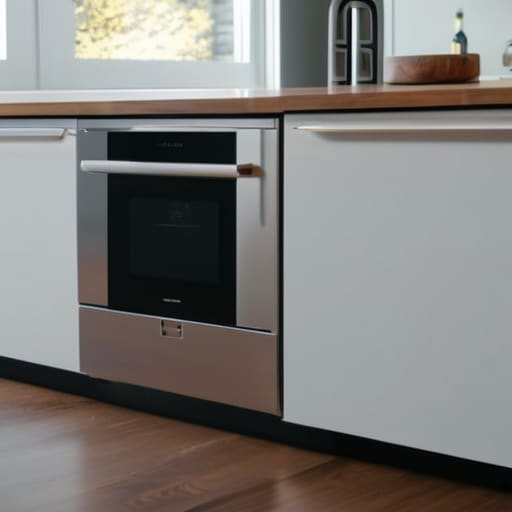

I’ve spent eighteen years crawling under kitchen counters in Bristol, and if there’s one thing I’ve learned, it’s that people spend far too much time worrying about how a machine looks and not nearly enough about how it acts. You’re likely standing in a showroom right now, staring at the sleek, hidden look of a built-in dishwasher versus the blunt simplicity of a standalone unit, trying to weigh the merits of integrated versus freestanding models. It’s a classic tug-of-war between wanting a kitchen that looks like a magazine spread and wanting a machine that doesn’t require a specialist degree to pull out for a quick clean.
Look, I’m not here to sell you on a lifestyle or some high-end designer aesthetic. I’m here to tell you what happens when a pump fails or a hose gets blocked three years down the line. I’m going to give you the unvarnished truth about which setup is going to save you money and which one is going to leave you stranded with a kitchen full of standing water. I’ve opened more machines than most people will own, and I promise to tell you exactly what to expect once the pretty cabinet doors are stripped away.
Integrated Appliances
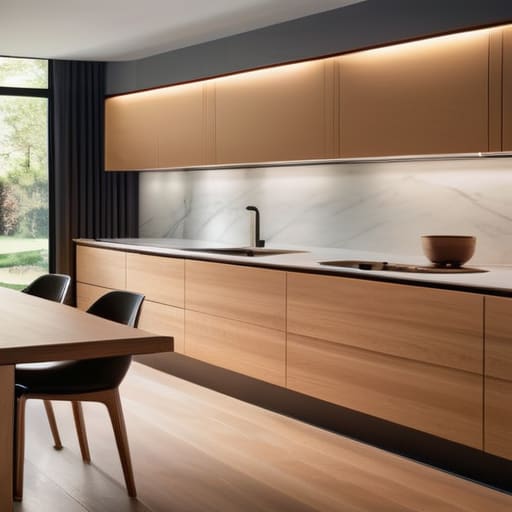
An integrated appliance is a machine designed to be hidden behind a custom cabinetry door, making it a seamless part of your kitchen’s woodwork. The core mechanism relies on a specialized mounting system that attaches your cupboard front directly to the appliance chassis, ensuring the integrated look remains consistent with the rest of your kitchen’s design. The main selling point here is purely aesthetic; it allows for a continuous, uninterrupted line of cabinetry that makes a room feel much larger and more expensive.
I’ve spent eighteen years pulling these things out from behind their wooden masks, and I’ll tell you what: they look lovely until something goes wrong. While they create a beautiful, streamlined space, you have to remember that you aren’t just fixing a machine; you’re interfacing with your furniture. Every time a pump fails or a belt snaps, you’re dealing with those extra hinges and mounting brackets. It’s a bit more fiddly for me, but if you want that high-end, built-in feel, it’s a trade-off worth making—just don’t expect a five-minute job when the repairman arrives.
Freestanding Appliances
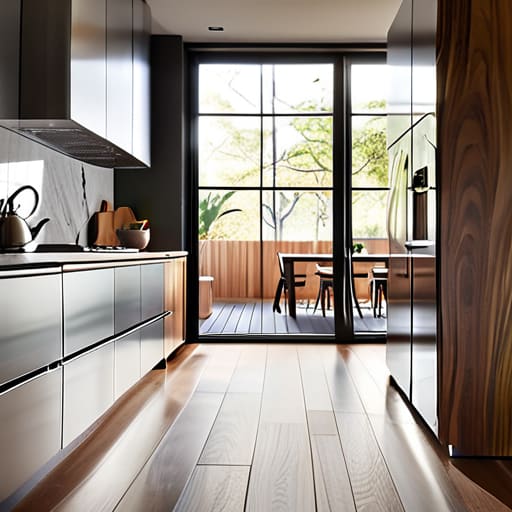
A freestanding appliance is a standalone unit that sits independently on your floor, requiring nothing more than a standard power outlet and a water connection to function. These machines are built as complete, self-contained boxes, which means their main advantage is total flexibility in where you place them. Because they aren’t tethered to your cabinetry, you can slide them into a gap, move them to a utility room, or swap them out entirely without needing a carpenter to come and fix your cupboards.
From where I sit, with a screwdriver in one hand and a pile of old filters in the other, these are the unsung heroes of the kitchen. There is a certain rugged honesty to a freestanding machine; you can pull it out, see exactly what’s happening with the hoses, and get stuck in without worrying about scratching your expensive joinery. I’ve seen so many people panic when a machine starts leaking, but with these, it’s usually just a simple fix once you’ve actually got the thing out in the open.
Comparison of Kitchen Appliance Installation Types
| Feature | Integrated | Freestanding | |
|---|---|---|---|
| Installation Method | Built into cabinetry for seamless look | Standalone placement anywhere with utilities | |
| Visual Aesthetic | Hidden/Camouflaged behind panels | Visible/Standard appliance design | |
| Cost | Higher due to custom cabinetry/labor | Lower due to standard manufacturing | |
| Flexibility | Difficult to move or replace | Easy to relocate or upgrade | |
| Space Efficiency | Maximizes kitchen flow and lines | Requires dedicated floor space | |
| Best For | High-end, custom kitchen renovations | Rental properties and budget builds |
Understanding Integrated Versus Freestanding
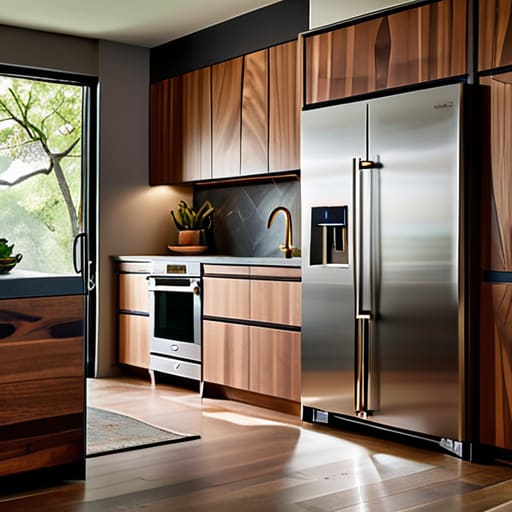
When you’re staring at a kitchen layout, it’s easy to get caught up in the aesthetics, but you need to understand what you’re actually buying. This isn’t just about whether the machine hides behind a cupboard door or sits out in the open; it’s about how that choice dictates your long-term relationship with the machine. If you don’t grasp the fundamental difference in how these two setups function, you’re going to end up with a kitchen that looks lovely but is a nightmare to live with.
Integrated units are all about that seamless, built-in look where the appliance disappears into the cabinetry. They look smart, sure, but they are fiddly as anything when it comes to access. If a pump fails, I’m not just pulling out a machine; I’m dealing with custom panels and tight squeezes. Freestanding machines, on the other hand, are honest. They sit where they are put, and if something goes wrong, you just slide them out and get to work.
For sheer ease of understanding and practical reality, freestanding wins every single time.
Key Things to Know
Look, choosing between these two isn’t just about how your kitchen looks in a brochure; it’s about what happens when the inevitable happens. If you don’t understand the practical realities of how these machines sit in your home, you’re going to end up with a massive headache the moment a seal fails or a pump gets clogged.
With freestanding units, the “key thing” is sheer accessibility. If a drum starts making a racket, I can just slide the machine out, pop the back off, and get to work. They are designed to be moved, which means they are built for maintenance. You aren’t fighting cabinetry just to reach a screw.
Integrated units, however, are a different beast entirely. They are tucked behind custom doors, which means they are hidden from view but also hidden from help. When a leak starts, you aren’t just pulling out a machine; you’re potentially dealing with fitted woodwork and specialized hinges. It turns a ten-minute fix into a whole afternoon project.
If we’re talking strictly about ease of ownership and long-term sanity, freestanding wins every single time.
The bottom line
If you want things to look pretty and seamless, go integrated, but don’t be surprised when you need a professional just to pull the thing out for a simple cleaning.
Freestanding units are the honest choice for anyone who actually wants to maintain their own kit; they’re easier to access, easier to move, and a lot less headache when a hose inevitably blocks up.
Before you commit to the built-in look, remember that you’re trading away a bit of convenience for aesthetics—and in my experience, convenience is what keeps a machine running for ten years instead of five.
Making the Right Call
At the end of the day, choosing between these two comes down to what you value more: the look of your kitchen or the ease of your life. If you want that sleek, seamless finish where the appliance disappears behind a cabinet door, integrated is the way to go. Just don’t be surprised when you have to pull the whole thing out just to check a simple connection. On the other hand, freestanding units are the unsung heroes of practicality. They sit where they are told, they breathe easily, and most importantly, they are far easier to service when something inevitably goes wrong. You aren’t fighting with custom cabinetry just to reach a pump or a filter.
My advice? Don’t buy something just because it looks pretty in a showroom catalogue if it’s going to be a nightmare to maintain. I’ve spent eighteen years pulling machines out from behind tight gaps, and I can tell you, a machine that is easy to access is a machine that actually gets repaired instead of being dumped on the kerb. Pick the one that fits your lifestyle, but prioritise longevity. A well-chosen, freestanding machine might not win any design awards, but it’ll be there, working quietly, long after the “designer” integrated unit has become a headache.
Frequently Asked Questions
If I go with an integrated machine, am I going to have a nightmare trying to get it out if a pump fails?
Look, I won’t lie to you: it can be a bit of a headache. If a pump fails on an integrated machine, you aren’t just pulling it out like a drawer. You’ve got the cupboard doors to deal with and the cabinetry holding it in place. It takes more time and a bit more sweat to get it out for a repair, but if you’re prepared for that extra bit of fuss, it’s manageable.
Is it actually worth the extra money for the integrated look, or am I just paying for a fancy cabinet?
Look, if you’re asking if you’re paying for a fancy cabinet, the honest answer is: mostly, yes. You’re paying for the carpenter’s time and the extra panels to hide the machine. From my side of the screwdriver, that “look” is just more things that can go wrong. If you want a seamless kitchen, go for it. But if you want something that won’t cost a fortune to fix when a pump fails, stick to freestanding.
Can I swap a freestanding unit for an integrated one later on, or am I stuck with the kitchen layout I've got?
Short answer? You’re likely stuck. Unless you’re planning a full kitchen remodel, you can’t just slide an integrated unit into a gap meant for a freestanding one. Integrated machines need specific cabinetry and a door panel that matches your cupboards to actually look the part. If you swap them without the right housing, you’ll just have a gaping hole in your kitchen layout and a machine that looks like it’s lost its way.
