







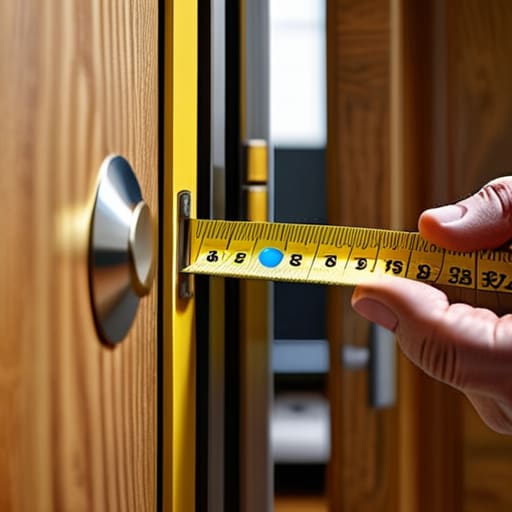

I was standing in a cramped kitchen in Bedminster last Tuesday, staring at a brand-new washing machine that was currently wedged halfway into a gap it clearly wasn’t meant for. The customer had measured the width perfectly, but they’d completely forgotten about the drain hose curling out the back and the little bit of wiggle room needed for the vibration. It’s a classic mistake, and it’s exactly why people get so frustrated when learning how to measure a space for an appliance. Most folks think if the tape measure says it fits, you’re golden, but I can tell you from eighteen years on the tools that a machine needs room to breathe, not just a place to sit.
In this guide, I’m going to walk you through the bits most people overlook—the depth of the plugs, the clearance for the door swing, and those pesky little gaps that make or break a fitting. I won’t give you any fancy, overcomplicated math; just the straight-talking, practical steps you need to get it right the first time. We’ll make sure that when your new machine arrives, it actually goes in without a struggle.
Guide Overview
Tools & Supplies
- Tape measure for accurate length, width, and height
- Notepad and pen for recording dimensions
- Masking tape to mark floor boundaries (1 roll)
- Smartphone for taking reference photos (1 unit)
Step-by-Step Instructions
- 1. Grab a proper metal tape measure—don’t bother with those flimsy little sewing ones—and start with the width of the gap. You need to measure at the widest point, usually where the floor meets the wall, because if your floor is even slightly uneven, a machine that fits at the top might get wedged halfway down.
- 2. Next, check the depth, but don’t just measure the empty space. You have to account for the extra room needed for the hoses, the power cable, and the plugs sitting behind the unit. If you measure exactly to the edge of the cupboard, you’ll end up pushing the machine too far forward, leaving it looking like it’s tripping anyone who walks past.
- 3. Measure the height, but keep a sharp eye on your worktops or shelving. I’ve seen plenty of folks buy a tall washing machine only to find it can’t slide under the counter because they forgot to account for the thickness of the granite or the slight sag in an old wooden shelf.
- 4. Don’t forget to look up and down for the “service zone.” You need enough clearance above the machine to actually reach the dials or clear the lid if it’s a top-loader, and enough room underneath if you’re planning on sliding a vacuum or a small toolkit in there later.
- 5. Check your access routes, which is the part everyone seems to skip. Measure the width of your doorways and any tight corners in the hallway leading to the kitchen. There is nothing more heartbreaking than a brand-new, heavy appliance sitting in your driveway because it’s two centimeters too wide to get through the front door.
- 6. Finally, take a look at the “plumbing math.” Check exactly where your water inlet and the waste pipe are positioned. If they are right in the way of where the machine sits, you might need to reposition the taps or extend the pipes before the delivery driver leaves you standing there with a heavy box and no way to hook it up.
Understanding How to Measure a Space for an Appliance
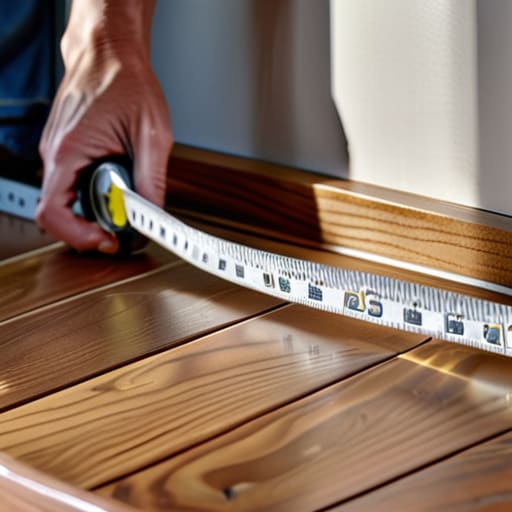
Now, don’t just look at the empty gap and think you’ve got it sorted. I’ve spent plenty of afternoons staring at a brand-new washing machine that simply wouldn’t budge because the homeowner forgot about the plumbing. You have to account for water line and drain hose access behind the unit. If you spec a machine that fits the gap perfectly but leaves no room for those pipes to curve, you’re going to end up pushing the machine too far forward, and suddenly it’s sticking out into your walkway.
It’s the same story with fridges. People always look at the width, but they forget that a fridge needs to breathe. If you don’t leave enough ventilation space for refrigerators, the compressor is going to work itself into an early grave trying to stay cool. And for heaven’s sake, check your standard appliance depth with handles too. A machine might look fine on paper, but once that door handle is sticking out an extra two inches, you’ll be bumping your hip against it every time you walk past.
Key Things to Know
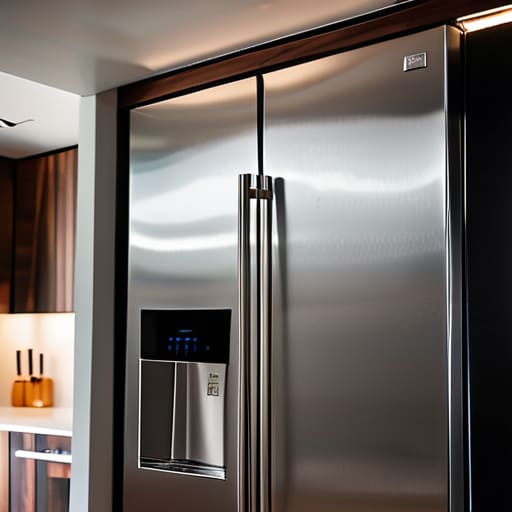
One thing people always forget is that the machine isn’t just a box; it needs room to breathe. If you’re looking at a fridge, don’t just measure the gap in the cupboards. You have to account for ventilation space for refrigerators, otherwise, that compressor is going to work itself to death trying to stay cool. I’ve seen plenty of perfectly good machines end up in my scrap pile simply because they were shoved too tight into a corner and overheated.
You also need to think about the “hidden” bits behind the machine. It’s a common mistake to measure the exact depth of the unit and assume it’ll fit, but you haven’t accounted for the water line and drain hose access. If you don’t leave an inch or two of wiggle room for those connections, you’ll find yourself fighting a losing battle trying to push the machine back into place. And for heaven’s sake, check your doorways. There’s nothing more heartbreaking than a brand-new dishwasher sitting in your hallway because you didn’t bother with measuring doorway width for appliances before the delivery driver arrived.
Five things I’ve learned from seeing too many tight squeezes
- Don’t just measure the gap, measure the swing. I’ve seen plenty of people buy a perfectly sized washing machine only to realize they can’t actually open the door once it’s tucked under the counter. Give yourself an extra few inches of breathing room so you aren’t fighting the door every time you want to throw in a load.
- Check your hoses and plugs, not just the machine. A machine might fit the physical hole, but if there’s no room behind it for the water inlet or the drain hose to bend without kinking, you’re going to have a leaking mess on your hands. Always add a couple of inches of “service space” behind the unit.
- Watch out for the floor. If you’re moving from an old, slightly sunken floor to a new machine, or if you’re putting a heavy dryer on a loose tile, it’s going to walk itself right out of position. Make sure the surface is level and solid before you even think about plugging it in.
- Mind the heights of your worktops. It’s a common mistake to measure the width and depth but forget that a slightly taller machine might prevent your countertop from sitting flush. If it doesn’t fit under the lip, you’re looking at a very expensive trip back to the shop.
- Remember the “hidden” obstacles. I’ve been into houses where the socket is in the most awkward possible spot, or there’s a pipe sticking out just an inch too far. Measure the distance from the wall to the nearest obstruction, not just the wall itself.
Don't Make the Same Mistakes I See Every Week
Measure twice and don’t forget the “breathing room”—if you jam a machine in there with zero clearance, you’re just asking for it to vibrate itself to death or overheat.
Check your access routes, not just the final spot; there’s nothing worse than getting a brand new washer halfway through a narrow hallway only to realize it won’t clear the doorframe.
Look at your connections before you commit; make sure you’ve actually got enough slack in your hoses and plugs so you aren’t fighting a losing battle the moment you try to hook it up.
Measure Twice, Save Yourself the Headache
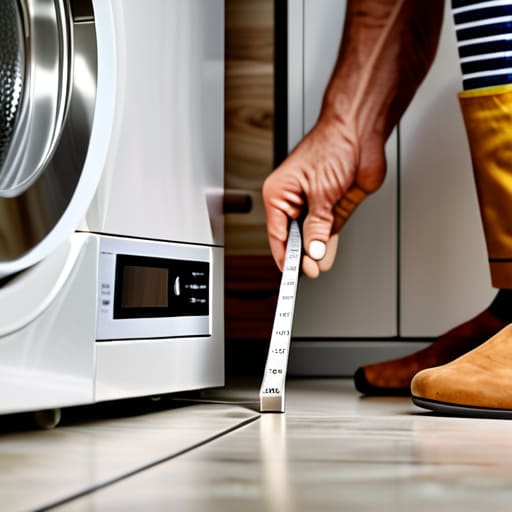
At the end of the day, it really comes down to being thorough. You’ve got your width, your depth, and your height, but don’t go thinking you’re finished just because you’ve ticked those boxes. Remember to account for the little things—the way the plug sits against the wall, the clearance needed for a drawer to slide out, or the extra inch required for a thick braided hose. If you ignore those tiny gaps, you’ll find yourself staring at a machine that technically fits the hole but won’t actually work in the real world. It’s much better to spend ten minutes with a tape measure now than to spend three hours trying to manhandle a heavy washer into a gap that’s half an inch too narrow.
I’ve spent eighteen years pulling machines out of tight cupboards, and I can tell you that most of the trouble I see isn’t caused by a faulty motor or a snapped belt. It’s caused by people rushing the setup and forgetting that these machines need room to breathe. Taking the time to get your measurements right isn’t just about making sure the appliance fits; it’s about making sure it lasts. When you give a machine the space it needs to operate without being squashed, you’re already doing more to extend its life than most people ever bother to do. Measure properly, set it up right, and it’ll serve you well for years.
Frequently Asked Questions
What do I do if my floor isn't perfectly level, or if the tiles are uneven?
If your floor’s got a bit of a dip or those tiles aren’t sitting flush, don’t panic. Most machines have adjustable feet for a reason. Get a spirit level on top of the machine once it’s in place; if it’s leaning, just twist those feet until it sits true. If the floor is really wonky, you might need some heavy-duty rubber anti-vibration mats. It stops the machine from dancing across the kitchen when the spin cycle kicks in.
How much extra room should I actually leave at the back for the hoses and the plug?
Don’t let them push the machine flush against the wall; you’ll end up kinking a hose and wondering why your kitchen is flooding. I always tell people to leave at least 50mm—about two inches—of breathing room. If you’ve got a bulky plug or a stiff water inlet, give it a bit more, maybe 75mm. It gives you space for the cables to bend naturally without putting stress on the connections.
If I'm fitting a machine under a worktop, do I need to account for the door swinging open?
Aye, you absolutely do. I’ve seen so many people get a machine tucked neatly under a worktop, only to realize they can’t actually get to the detergent drawer or pull the laundry out without hitting the cabinetry. Don’t just measure the box itself; check the door’s arc. If you’re tight on space, look for a model with a door that swings wider, or you’ll be dancing around your kitchen every single wash day.
