









I’ve spent eighteen years in the back of vans and under kitchen counters across Bristol, and if there’s one thing I’ve learned, it’s that most people are being sold a bill of goods. Every time I walk into a big-box retailer, I see it: that desperate, high-pressure pitch about extended warranties and whether to buy them to “protect your investment.” It’s a joke. I’ve opened more machines than most people will ever own, and half the time, the “catastrophic failure” they’re worried about is just a stray sock or a bit of limescale that a five-pound part and twenty minutes of my time could have fixed.
I’m not here to give you a sales pitch or a lecture on fine print. I’m going to tell you exactly what I see when I’m elbow-deep in a washing machine drum. I’ll show you which parts actually fail and which ones are just expensive distractions designed to pad a company’s bottom line. By the time I’m done, you’ll know exactly when to walk away from that extra charge and when—if ever—it actually makes sense to pay for peace of mind.
Ive Opened More Machines Than Most People Will Own
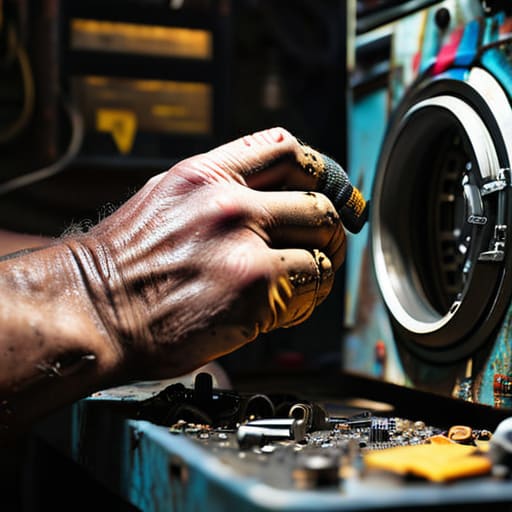
I’ve spent eighteen years in the back of vans and under kitchen counters from Clifton to Bedminster. When you’ve spent that much time elbow-deep in sludge and tangled lint, you start to see a pattern. Most of the “broken” machines that land on my workbench aren’t actually suffering from a catastrophic mechanical failure. Usually, it’s just a blocked pump filter or a piece of a stray sock wedged in the drum. People see a machine that won’t drain and assume the motor has given up the ghost, so they start looking for a protection plan fine print to save them.
In reality, most of these appliances are built to last much longer than the standard coverage suggests. When I’m looking at the product reliability and failure rates of a specific model, I rarely see a reason to pay extra for peace of mind. I’ve seen too many people shell out hundreds for a service contract, only to realize the fault was something they could have fixed with a screwdriver and ten minutes of patience. Most of the time, the machine isn’t dead; it just needs a bit of a clean.
The Truth About Product Reliability and Failure Rates
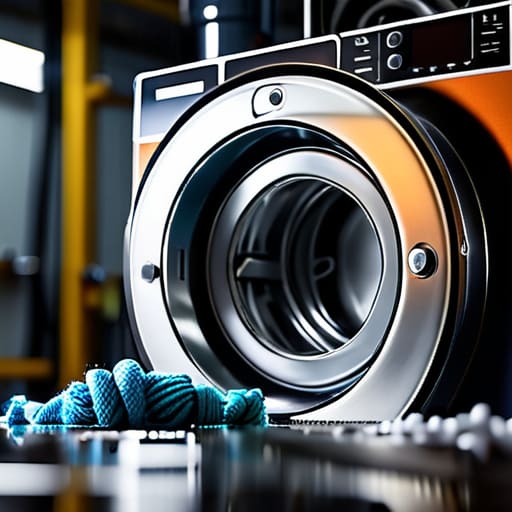
When people ask me if a machine is going to die, they’re usually looking for a guarantee that doesn’t exist. I see the same pattern every week in Bristol: a brand-new washing machine comes in because it won’t drain, and sure enough, it’s just a stray sock wedged in the pump. People start panicking about product reliability and failure rates, thinking the whole motor is shot, but it’s rarely a design flaw. Most “failures” are just a lack of basic maintenance or someone trying to wash a heavy rug in a machine meant for cottons.
If you’re sitting there doing a mental cost-benefit analysis of service contracts, you have to look at what actually breaks. Electronics and control boards are the real headache, and those can fail. But most of the time, the machine is fine; it just needs a bit of TLC or a part that costs less than a takeaway lunch. Before you sign your life away to a protection plan, ask yourself if you’re paying to cover a mechanical breakdown or just paying for the peace of mind that comes from not having to think about a clogged filter.
Manufacturer Warranty vs Extended Warranty the Real Difference
When you’re looking at the paperwork, the difference between a manufacturer warranty vs extended warranty can feel like splitting hairs, but it’s not. The manufacturer’s bit is usually there to prove they didn’t build a lemon; it covers the parts and labor if a motor dies straight out of the box. It’s their way of saying, “We stand by this.” An extended warranty, though, is a separate service contract you’re essentially renting. It’s a bet you’re making that the machine will fail after the free period ends.
The real headache comes when you start digging into the protection plan fine print. I’ve seen plenty of folks get stung because they thought they were covered for a faulty pump, only to find out the contract excludes “wear and tear” items like seals or hoses. In my experience, most “breakdowns” I see in Bristol are just things getting clogged or worn down by regular use. If you’re trying to decide is an extended warranty worth it, you have to ask yourself if you’re paying for actual protection or just a bit of peace of mind that might not even hold up when you actually need to make a claim.
Doing a Cost Benefit Analysis of Service Contracts
When you sit down to do a cost-benefit analysis of service contracts, don’t just look at the monthly premium. You have to look at the math of the machine itself. If you’re buying a high-end Bosch washing machine that’s built like a tank, paying for five years of extra cover is often just throwing money into a bin. I’ve seen plenty of “premium” machines fail, but usually, it’s because someone didn’t clean the drain filter, not because a circuit board fried itself.
You also need to dig into the protection plan fine print before you sign anything. A lot of these contracts are designed to make it as difficult as possible to actually use them. They might cover the motor but exclude the very parts that actually break, like the door seal or the pump. If the cost of the contract is half the price of a new machine, you’re better off putting that money into a “repair fund” in a high-interest savings account. That way, when a hose inevitably blocks, you’ve got the cash ready without having to argue with a call centre.
Deciding on Extended Warranties and Whether to Buy
So, how do you actually make the call? I don’t have a magic formula, but I do have a rule of thumb. If you’re buying a simple, mechanical piece of kit—something like a basic toaster or a heavy-duty vacuum—I’d say skip it. Most of the time, if those things stop working, it’s a motor issue or a simple blockage that a bit of patience can fix. But if you’re investing in a high-end, computerized washing machine with a complex control board, that’s when the math changes. You have to look closely at the protection plan fine print to see if they actually cover the expensive electronics or if they just cover the plastic bits.
Before you tap your card, ask yourself: is an extended warranty worth it for this specific machine? If the repair cost for a single sensor is going to be more than half the price of the appliance, then maybe. Otherwise, I’d rather keep that extra fifty quid in my pocket and use it to buy a decent set of replacement parts if something actually goes wrong.
A few bits of advice before you sign on the dotted line
- Check the fine print for the “wear and tear” loophole. I’ve seen plenty of people try to claim a warranty for a washing machine that won’t spin, only to be told the bearings just wore out naturally. Most warranties cover sudden breakdowns, not the inevitable aging of a machine.
- Keep your receipts and manuals in one spot. If you do end up needing a repair, the first thing a service company will ask for is proof of purchase. I’ve wasted more time than I’d like waiting on hold because someone couldn’t find a scrap of paper from three years ago.
- Look at the actual repair cost versus the premium. If you’re paying fifty quid a year for a warranty on a vacuum that costs two hundred, you’re better off putting that money in a jar. Eventually, you’ll have enough to buy a brand new one outright.
- Don’t forget your credit card benefits. A lot of people pay for extra coverage without realising their bank already provides it. It’s worth a quick look at your statement before you hand over extra cash to a retailer.
- Learn where the filters are. Half the time, a “broken” machine is just a machine that’s been choked by a stray sock or a build-up of lint. Before you call out a technician—warranty or not—make sure you’ve checked the basics first.
The bottom line
Most “breakdowns” are just neglected maintenance, like a clogged filter or a blocked hose, which no warranty is going to pay for.
Skip the extra paperwork and save your money; if a machine is built well, it won’t need it, and if it’s rubbish, a service contract won’t make it better.
Keep a small “repair fund” in a jar instead—it’ll go much further when you actually need a new pump or a belt.
The Bottom Line
At the end of the day, an extended warranty isn’t a magic shield against a broken machine; it’s just a piece of paper you’re paying for in advance. I’ve spent eighteen years in Bristol pulling out clogged pumps and clearing blocked hoses, and I can tell you that most “failures” are just a lack of basic maintenance. If you can do the math and see that the cost of the contract outweighs the likely repair, keep your money in your pocket. Don’t let a salesperson convince you that a machine is a ticking time bomb when, more often than not, it just needs a bit of a clean and a five-pound part to run like new again.
My advice is to stop fearing the breakdown and start learning how your gear actually works. There is a certain satisfaction in knowing that a machine isn’t “dead,” it’s just being stubborn. Instead of signing away your hard-earned cash to a service contract, spend that time learning where your filters are or how to clear a drain line. When you stop viewing appliances as disposable black boxes and start seeing them as tools that just need a bit of care, you’ll find that you don’t need a safety net to keep your home running smoothly. Trust your hands, not the fine print.
Frequently Asked Questions
If I skip the extended warranty, what's the first thing I should check when my machine starts acting up?
Check the filters. Honestly, nine times out of ten, it isn’t a broken motor or a fried circuit board; it’s just a stray sock or a build-up of lint choking the system. If your washing machine isn’t draining or your vacuum has lost its suction, don’t go calling a technician just yet. Open the filter housing, clear out the muck, and see if that does the trick. It’ll save you fifty quid easily.
Are there specific brands that actually seem to break more often than others, or is it just bad luck?
It’s rarely just bad luck, but it isn’t always about the brand name on the front either. I see plenty of high-end German machines that fail because someone used too much detergent, and cheap budget models that die because a plastic clip snapped. That said, I do see a pattern with certain brands that use more “disposable” components—parts that are glued instead of screwed. If it’s not serviceable, it’s not reliable.
Is it worth keeping a small "repair fund" instead of paying for those monthly service contracts?
If you ask me, keep the cash in a jar. I’ve spent eighteen years seeing people pay thirty quid a month for a contract, only to find out their “broken” washer just had a blocked pump filter. If you keep a little repair fund instead, you’re in control. You can pay for the actual part or the call-out fee when it’s truly needed, rather than feeding a company for a problem that rarely exists.
