








I’ve spent eighteen years pulling heating elements out of ovens and clearing lint from vacuum motors, and if there is one thing I’ve learned, it’s that people love to buy gadgets they don’t actually need. Lately, everyone is acting like these little countertop boxes are some sort of kitchen revolution, and I’m tired of hearing the marketing fluff about air fryers and what they replace. Most of the time, you aren’t replacing a high-quality appliance; you’re just adding another heating element to your cupboard that you’ll eventually have to strip for parts when the fan dies.
I’m not here to tell you which shiny new model has the most buttons or the prettiest LED display. Instead, I’m going to give you the straight truth based on what I see when I open up machines for a living. I’ll help you figure out if that air fryer is actually going to save your old oven some work, or if it’s just more clutter waiting to break. No hype, no sales pitch—just a practical look at whether this machine actually earns its spot on your worktop.
Understanding Air Fryers and What They Replace
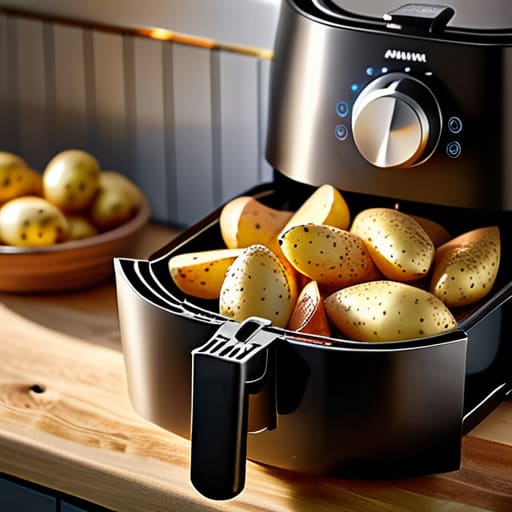
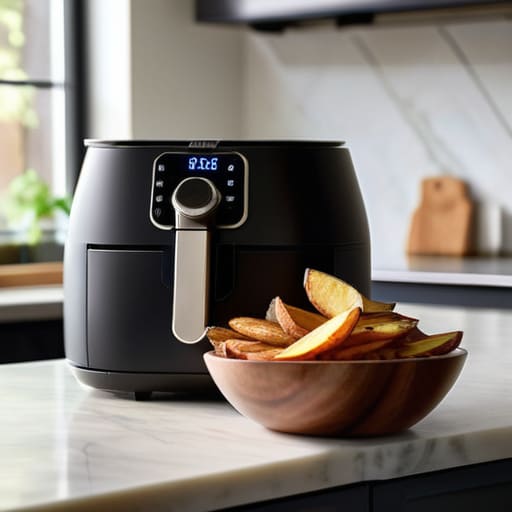
When people ask me if they really need one of these things, I usually tell them to look at their counter space first. At its heart, an air fryer is just a high-powered, compact convection oven that’s been given a bit of a marketing makeover. It uses cooking with rapid air technology to circulate heat much faster than your standard oven ever could. Because the fan is so much more aggressive and the space is smaller, you aren’t wasting energy heating up a massive, cavernous metal box just to cook a handful of potato wedges.
In my line of work, I see enough broken heating elements to know that simplicity is your friend. If you’re looking at an air fryer vs deep fryer comparison, the choice is obvious for anyone tired of cleaning up grease traps. You get that crunch without the mess or the safety hazard of a vat of boiling oil. For most of my customers, these gadgets serve as excellent small kitchen appliance alternatives to bulky, slow-moving equipment. They aren’t magic, but they are certainly more efficient at getting the job done quickly.
Key Things to Know
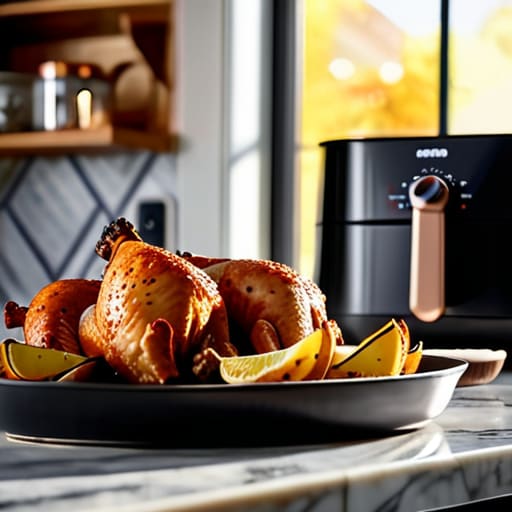
If you’re looking at a sea of plastic gadgets and wondering if you actually need one, let’s get one thing straight: an air fryer isn’t magic, it’s just a very efficient, small-scale convection oven. When I’m looking at the air fryer vs convection oven debate, it really comes down to how much heat you want to trap in a small space. Because these machines are compact, they don’t have to work nearly as hard to get the temperature up, which is a massive win for kitchen appliance energy efficiency. You aren’t heating up a giant, heavy metal box just to cook two chicken thighs and some frozen chips.
You also need to be realistic about what you’re actually doing with it. If you’re expecting it to replace your Sunday roast or a massive tray of lasagna, you’re going to be disappointed. But for the daily grind? The benefits of air frying over baking are mostly about speed and texture. It’s about that rapid air technology doing the heavy lifting so you aren’t standing over a stove for forty minutes. It’s a tool for convenience, not a replacement for your entire kitchen setup.
Practical Tips and Steps
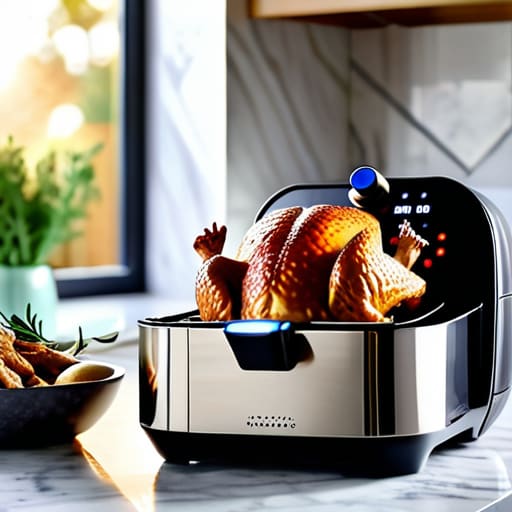
If you’re planning to swap out your old gear, don’t just shove the air fryer on the counter and call it a day. Start by looking at your existing footprint. If you’ve got a massive, temperamental oven that takes twenty minutes just to reach temperature, an air fryer is going to feel like a revelation. When you’re weighing up an air fryer vs convection oven setup, remember that the smaller unit is much more forgiving with heat distribution. I’ve seen too many people try to cook a whole chicken in a basket meant for frozen chips, only to end up with a burnt exterior and raw middle. Use the right size for the job, or you’ll be back to using the big oven anyway.
Maintenance is where most people trip up. Because these things rely so heavily on cooking with rapid air technology, they need clear airflow to function. If you let grease build up in the heating element or the basket, you aren’t just risking a fire; you’re making the machine work twice as hard. Keep that basket clean and check the vents regularly. If you treat it like a piece of precision machinery rather than a disposable gadget, it’ll actually last you more than a season.
Common Mistakes to Avoid
The biggest mistake I see—and I’ve seen it in plenty of kitchens from Clifton to Bedminster—is treating an air fryer like a miniature, high-speed oven without adjusting your expectations. People try to shove a massive tray of frozen chips in there, expecting the same results they’d get from a full-sized appliance, only to end up with a crowded basket and soggy centers. If you crowd the space, you aren’t actually cooking with rapid air technology; you’re just making a very warm, humid box. Air needs to circulate around every single surface to do its job, so give your food some breathing room.
Another blunder is neglecting the cleanup, which is how these machines die prematurely. I’ve opened up more “broken” units than I can count, only to find the heating element choked with grease buildup or the fan struggling because of crumbs. People often get caught up in an air fryer vs deep fryer comparison and forget that even though it uses less oil, it still needs a good scrub. If you let the grease bake onto the coils, you’re looking at a fire hazard rather than a handy gadget. Keep the basket clean, and it’ll actually last you more than a season.
Final Thoughts
At the end of the day, you don’t need a showroom full of gadgets to make a decent meal. I’ve spent nearly two decades pulling apart machines that people tossed out simply because they didn’t understand how they worked. An air fryer is just another tool in the box, not a magic wand. Whether you’re weighing the air fryer vs convection oven debate or just trying to decide if you actually need another heating element taking up counter space, remember that the best appliance is the one you actually use and maintain.
If you treat it well—keep the basket clean and don’t let grease build up in the heating element—it’ll serve you well for years. Most people think they need to replace everything in their kitchen, but I’m a firm believer in keeping what works. If your oven does the job, let it. But if you find yourself reaching for the air fryer every single night because of the speed, then it’s earned its spot. Just don’t forget that even the smartest small kitchen appliance alternatives eventually need a bit of TLC to keep them from ending up in my scrap pile.
Five ways to stop cluttering your cupboards
- Don’t toss the oven just yet; an air fryer is a specialist, not a generalist, and it won’t help you when you’re roasting a Sunday chicken for the whole family.
- If you’re using it to replace your toaster, make sure you aren’t just adding another heating element to the scrap heap—use it for things that actually benefit from that intense, circulating air.
- Keep an eye on your convection oven settings; if you find yourself using the air fryer for every single meal, you might realise your big oven is just sitting there collecting dust and grease.
- Watch the basket size closely, because nothing frustrates me more than seeing someone try to cram a week’s worth of food into a tiny unit, only to end up using the oven anyway because it’s crowded.
- Treat the air fryer like a tool, not a toy; if it replaces your deep fryer, you’ve saved a lot of mess, but don’t let it replace every single way you cook, or you’ll end up with a kitchen full of single-use gadgets.
The Bottom Line
Don’t let an air fryer become another piece of clutter; only swap out the appliances you actually use, like the oven for small batches or the deep fryer for something much cleaner.
Treat your air fryer like any other machine—if you don’t clean the basket and check the heating element, you’ll be calling me to look at a dead unit in six months.
Before you toss your old convection oven, make sure you actually need the extra counter space, because once a gadget moves in, it’s hard to get the old ones back out.
Final Words from the Workbench
At the end of the day, an air fryer isn’t a magic wand, but it is a damn good tool if you use it right. We’ve looked at how it handles the heavy lifting usually reserved for your big convection oven or that temperamental grill, and how it can save you from pulling out the full-sized oven just to heat up a handful of chips. Just remember: don’t overcrowd the basket, keep an eye on those heating elements, and for heaven’s sake, clean the crumbs out of the bottom regularly. If you treat it like a piece of equipment rather than a disposable gadget, it’ll serve you well for years instead of ending up in a landfill because of a simple bit of grease buildup.
I’ve spent eighteen years pulling apart machines that people swore were “dead,” only to find a single blocked hose or a loose wire was the culprit. My advice is to stop looking at your kitchen as a collection of single-use plastic boxes and start seeing it as a toolkit. Whether you’re using a new air fryer or sticking to your trusty cast iron, make it last. We don’t need more clutter; we just need fewer things that break because we didn’t take five minutes to maintain them. Take care of your tools, and they’ll take care of you.
Frequently Asked Questions
If I'm using an air fryer for everything, how often do I actually need to clean the heating element to stop it from smelling like burnt grease?
If you’re running that thing daily, you can’t let the grease build up. Once it starts smelling like a burnt chip shop, it’s already too late. I’d say give the heating element a proper wipe down with a damp cloth once a week. Just make sure the machine is stone cold first—I’ve seen enough singed eyebrows to last a lifetime. A little bit of care now stops a nasty smoke alarm later.
Can I actually get away with ditching my toaster entirely, or is an air fryer just going to be a glorified, expensive bread warmer?
Look, I’ve spent eighteen years pulling burnt crumbs out of heating elements, so I’ll give it to you straight. If you’re just looking for a slice of toast, an air fryer is a bit like using a sledgehammer to crack a nut—it’ll do the job, but it’s overkill. However, if you want a toasted bagel or a warm roll, it beats a toaster any day. You won’t ditch the toaster entirely, but you’ll certainly use it less.
Since these things are basically small, high-powered convection ovens, will they actually last longer than the cheap little microwaves most people buy?
To be honest, it depends on whether you’re buying a piece of junk or a proper machine. Most cheap microwaves are built to be disposable; they’ve got minimal circuitry and thin components. An air fryer is essentially a compact, high-speed convection oven, and because they deal with more intense heat and moving parts like fans, they can be more robust. But if you buy a budget model with a flimsy heating element, you’re just trading one headache for another.
