









Don’t let those glossy showroom displays fool you into thinking you need a microwave with more touchscreens than a smartphone. I’ve spent eighteen years pulling apart everything from budget models to high-end built-ins, and I can tell you that most people get it completely wrong when they start wondering how to choose a microwave. They get distracted by fancy “sensor cooking” displays or sleek digital interfaces that end up being a nightmare to fix the moment a single circuit board decides to give up the ghost. Most of the time, you aren’t paying for better heating; you’re just paying for expensive plastic that’s destined for a landfill in three years.
I’m not here to sell you on the latest gadget or some overpriced brand name. My goal is to give you the straight truth based on what I see when I’m actually elbow-deep in the guts of these machines. I’ll show you which components actually matter and which features are just marketing fluff designed to empty your wallet. By the time we’re done, you’ll know exactly how to pick a machine that actually does its job without needing a technician every time the door latch gets a bit sticky.
Understanding How to Choose a Microwave
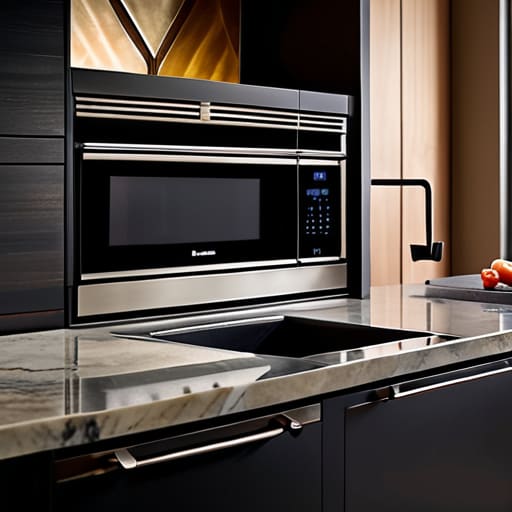
When you’re looking at a showroom floor, it’s easy to get distracted by the digital displays and the brushed steel finishes. But after eighteen years of pulling apart faulty units, I’ve learned that what’s happening inside the box is what actually determines if you’ll be calling me for a repair in two years. You need to decide on your setup first: are you looking at a microwave countertop vs built-in model? A built-in unit looks tidy, but if it’s poorly ventilated, the magnetron will cook itself long before the food is ready.
Once you’ve picked a spot, don’t just grab the cheapest one on the shelf. You need to spend a bit of time understanding microwave power levels rather than just looking at the size. A high wattage is great for speed, but if the machine can’t throttle down for delicate tasks, you’ll end up with rubbery leftovers. I also tell people to check the seal and the door hinge; it sounds minor, but a flimsy door is usually the first thing to give up the ghost.
Key Things to Know
First off, don’t get distracted by the fancy touchscreens or the digital clocks that look like they belong on a spaceship. Most of that is just plastic junk that fails after three years. You need to decide on your layout first: microwave countertop vs built-in makes a massive difference in how much space you’ll actually have left for your tea mug. If you’re working with a tiny flat in Clifton, you’ll want to look for the best microwave for small kitchens that doesn’t hog the entire worktop, but don’t skimp on the actual size of the box.
You also need to look at what’s happening inside. I’ve seen plenty of people buy a cheap unit only to realize it can’t even heat a bowl of soup evenly. You should spend a minute understanding microwave power levels so you aren’t stuck with a machine that’s either too weak or burns your dinner in seconds. If you’re looking for something that does more than just reheat leftovers, look into the convection microwave benefits, but remember—the more features you add, the more parts there are for me to have to fix down the line.
Practical Tips and Steps
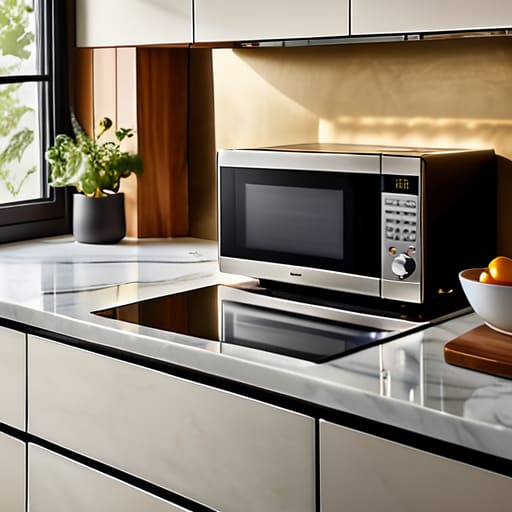
First things first, stop looking at the fancy touchscreens and start looking at where the thing is actually going to sit. I’ve seen too many people buy a massive unit only to realize they have no room for a toaster, or worse, they try to wedge a microwave countertop vs built-in model into a space it wasn’t designed for. If you’re working with a tight corner, you need to be realistic about your microwave interior capacity guide—don’t buy a cavernous machine if you’re only ever heating up a single mug of tea.
When you’re actually standing in the shop, pull the manual out or look it up online to check the wattage. It sounds simple, but understanding microwave power levels is the difference between a meal that’s steaming hot and one that’s still frozen in the middle. If you have the budget and the space, I’d suggest looking into the convection microwave benefits; they’re a bit more complex under the hood, but they actually do a decent job of baking rather than just vibrating water molecules. Just remember, the more buttons it has, the more things there are to break.
Common Mistakes to Avoid
The biggest blunder I see is people buying based on the outside of the box rather than what’s actually happening inside. They’ll find a unit that fits their aesthetic, but they completely ignore the microwave interior capacity guide or the actual wattage. I’ve seen plenty of folks struggle because they bought a tiny model for a family of four, only to realize they can’t even fit a standard dinner plate in there without it hitting the sides. If you’re tight on space, don’t just grab the first thing you see; you need to find the best microwave for small kitchens that actually has enough breathing room to work properly.
Another mistake is getting caught up in the “built-in” dream without checking your kitchen’s actual layout. People often jump between microwave countertop vs built-in options without realizing that a built-in unit requires specific ventilation and a much more permanent setup. If you don’t plan for the heat dissipation, you’re just asking for the electronics to fry themselves in six months. Don’t let a shiny finish distract you from the mechanical reality of where that machine is actually going to sit.
Final Thoughts
At the end of the day, don’t get distracted by the fancy digital displays or the touchscreens that feel like a smartphone. I’ve spent eighteen years pulling apart appliances, and I can tell you that the most expensive-looking model isn’t always the one that’s going to survive a heavy Tuesday night dinner rush. Whether you are deciding between a microwave countertop vs built-in setup, just make sure you aren’t buying a glorified timer. Look for something with a decent build and a simple enough interface that you won’t need a manual just to defrost a bag of peas.
If you’re working with tight quarters, finding the best microwave for small kitchens is more about maximizing every inch of space than just picking the smallest box on the shelf. You need to balance that internal capacity with the actual footprint it leaves on your worktop. Buy something that actually fits your life, not something that looks good in a showroom. If you take care of the machine—keep it clean and don’t let food crust build up on the waveguide cover—it’ll likely outlast the next three things you buy.
Five things I look for when I'm sizing one up
- Don’t get blinded by the display screen; check the door seal. If the rubber looks thin or flimsy in the shop, it’s going to leak heat within a year, and you’ll be left with a machine that’s more heater than microwave.
- Look at the vent placement. I’ve seen too many people cram a microwave into a tight corner only to have it burn itself out because it couldn’t breathe. If the vents are on the side or back, you need serious clearance.
- Skip the fancy “smart” features. Every time a manufacturer adds a touchscreen or a Wi-Fi connection, they’re just adding another circuit board that can fail. A simple, tactile dial or a basic button set is much harder to kill.
- Check the weight of the unit. It sounds strange, but a microwave that feels like a feather is usually built with thin, cheap internal components. A bit of heft usually means there’s actual shielding and decent-quality magnets inside.
- Test the turntable mechanism if you can. Give it a little nudge. If it feels gritty or wobbly, the motor or the rollers are rubbish, and you’ll be dealing with unevenly cooked food and a noisy kitchen before long.
The Bottom Line
Don’t get distracted by touchscreens and fancy digital displays; look for solid build quality and a model that doesn’t feel like it’s made of thin, flimsy plastic.
Always check the wattage and the actual internal space—a microwave that looks big on the box but has tiny, cramped corners is a waste of money.
Buy for simplicity, not for features you’ll never use, because the more complicated the electronics, the harder they are for me to fix when they eventually go wrong.
Don't let them sell you a paperweight
At the end of the day, choosing a microwave isn’t about finding the one with the most digital presets or a fancy touch screen that’ll stop working in two years. It’s about knowing if the build quality can handle your actual life. Look for something with a decent wattage that won’t struggle with a bag of frozen peas, and for heaven’s sake, check that the door seal feels solid and heavy rather than flimsy plastic. If you focus on the basics—the power, the capacity, and the simplicity of the controls—you’re going to end up with a machine that actually does its job instead of one that ends up in my scrap heap because a single circuit board decided to quit.
I’ve spent eighteen years pulling apart appliances that were tossed out for no good reason, and it always breaks my heart to see a perfectly good kitchen setup ruined by a cheap, poorly made unit. You don’t need the most expensive model on the showroom floor, but you do need something built to last. Treat your appliances like tools, not disposable gadgets, and they’ll serve you well for a long time. Buy something sensible, keep it clean, and you won’t be calling me to come and haul it away to the tip in eighteen months.
Frequently Asked Questions
Is it actually worth paying extra for an inverter microwave, or is that just marketing fluff?
Look, I’ve seen enough blown magnetrons to know when a feature is worth the extra quid. Standard microwaves use a transformer that’s either “on” or “off,” which is why your food ends up with frozen middle and lava edges. An inverter is different; it controls the power flow steadily. It’s not just marketing fluff—it actually cooks more evenly and stays quieter. If you can afford the bump in price, do it.
Can I safely use metal racks in a microwave, or am I asking for a spark show?
Look, I’ve seen enough scorched interiors to know when someone’s playing with fire. Generally? Leave the metal out. If that rack isn’t specifically designed for microwave use, those little points on the metal will catch the waves and start a spark show. It’s not just about the sparks, either; you risk pitting the surface or, worse, blowing a component. If the manual doesn’t say it’s okay, don’t risk it.
How do I tell if a microwave is built to last or if it's just a cheap plastic box that'll die in two years?
Look, if you want to know if it’s rubbish, don’t look at the digital display; look at the weight and the door. A quality machine has some heft to it—it’s not just air and thin sheet metal. Open the door and check the seal; if it feels flimsy or the latch is plastic that looks like it’ll snap by Tuesday, walk away. You want heavy-duty components, not a glorified plastic box.
