







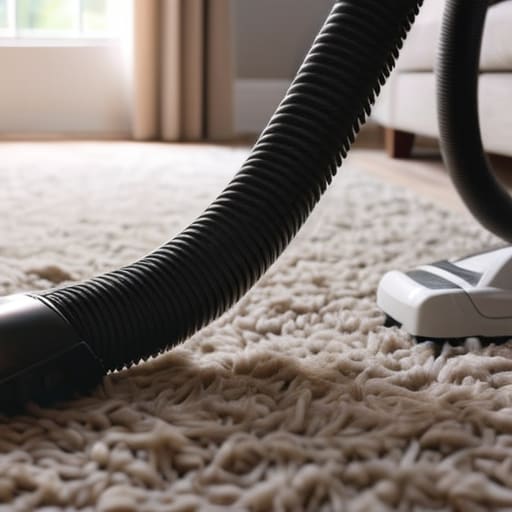

I spent yesterday morning staring at a heap of scrap in my workshop—a high-end cordless stick that had been tossed because the battery wouldn’t hold a charge. It’s the same story every week: people standing in the middle of a shop, staring at the shelves, trying to decide between a corded or cordless vacuum without actually knowing how these things live or die. They see the sleek, lightweight cordless models and think they’ve found the future, but they forget that a cord is just a continuous supply of power that never needs a charging dock or a costly replacement cell.
I’m not here to sell you on the latest shiny gadget or read you a spec sheet from a glossy brochure. I’ve spent eighteen years pulling the guts out of these machines, and I can tell you exactly which ones are built to last and which ones are designed to end up in a landfill. I’m going to give you the unfiltered truth about suction power, battery lifespan, and actual repairability. By the time we’re done, you’ll know which one is actually worth your hard-earned money.
Corded Vacuums
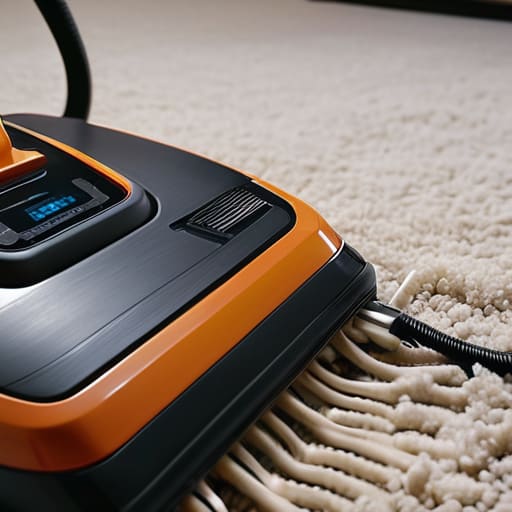
A corded vacuum is a machine that draws its power directly from your wall socket via a permanent electrical cable. Because it isn’t relying on a battery to stay alive, its main selling point is uninterrupted suction power that stays consistent from the moment you plug it in until the job is done.
I’ve spent eighteen years pulling these things apart, and I can tell you that there is a certain honesty to a corded model. You don’t have to worry about a lithium-ion battery dying halfway through cleaning the stairs or losing its ability to hold a charge after two years of heavy use. When I’m working on a repair, I see so many people tossing out perfectly good motors just because they couldn’t handle the constant draw of a heavy-duty machine. If you want something that simply works every single time you pull the trigger, without the drama of a countdown clock, this is your bread and butter.
Cordless Vacuums
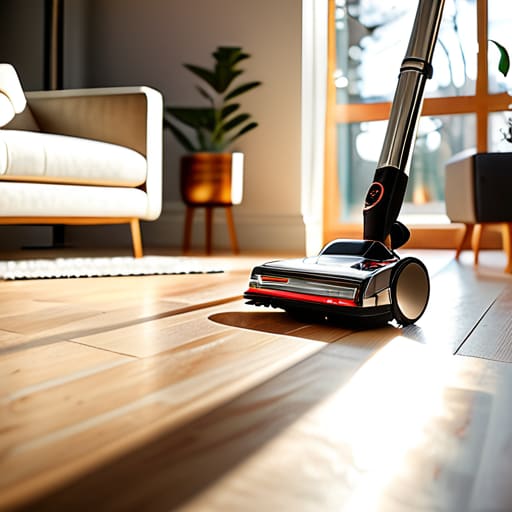
A cordless vacuum is a portable cleaning tool that operates using a rechargeable internal battery pack. Its primary advantage is total freedom of movement, allowing you to navigate around furniture and up various levels of a home without being tethered to a socket.
Now, I’ll admit, these things are clever bits of kit, but they come with a different set of headaches. I’ve opened up more of these “convenient” models than I care to count, and usually, the problem isn’t the motor—it’s the battery or the complex electronics that manage the power. People love the idea of grabbing and going, and for a quick tidy-up after the kids have spilled cereal, they are brilliant. But you have to be prepared for the reality that you are essentially trading long-term durability for immediate ease of use.
Corded vs. Cordless Vacuum Comparison
| Feature | Corded Upright Vacuum | Cordless Stick Vacuum | Cordless Handheld Vacuum |
|---|---|---|---|
| Power Source | Continuous AC Electricity | Rechargeable Lithium-ion Battery | Rechargeable Lithium-ion Battery |
| Suction Power | Very High / Constant | Moderate / Variable | Low to Moderate |
| Runtime | Unlimited | 20–60 Minutes | 10–20 Minutes |
| Maneuverability | Low (Bulky/Tethered) | High (Lightweight/Agile) | Very High (Compact) |
| Ideal Use Case | Deep cleaning large homes | Daily maintenance/Quick pickups | Car cleaning/Small spills |
| Price Point | Mid to High | Mid to High | Low to Mid |
Understanding Corded or Cordless Vacuum
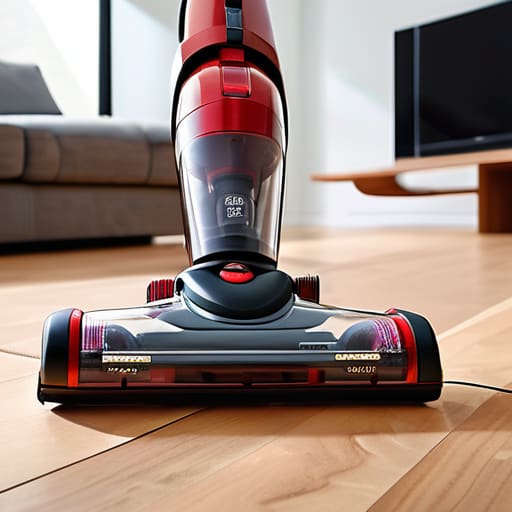
The reason you need to get your head around this isn’t about marketing jargon; it’s about whether you’ll be fighting your machine or actually cleaning your floor. People see a sleek cordless stick and think it’s magic, but they don’t realize they’re essentially buying a countdown timer. If you don’t understand the fundamental difference in how these two get their power, you’re going to end up with a piece of plastic gathering dust in the cupboard halfway through a Sunday clean.
When you plug in a corded machine, you’re getting a constant, steady stream of juice that doesn’t care if you’re vacuuming the hallway or the stairs. There’s no anxiety about a battery dying mid-job. Cordless models, on the other hand, are all about convenience versus capacity. You get that immediate freedom to move, but you’re constantly negotiating with a battery that loses its punch as it drains. I’ve seen too many people throw away perfectly good cordless units just because the battery stopped holding a charge after a year.
For sheer reliability and understanding how the power actually works, the corded vacuum wins every single time.
Key Things to Know
If you don’t understand the fundamental trade-offs before you buy, you’re going to end up with a machine sitting in your cupboard gathering dust. It isn’t just about whether you like pulling a cable around; it’s about the reality of how you actually clean your home on a Tuesday afternoon when you’re tired.
With corded machines, the “key thing” is sheer, unrelenting reliability. You plug it in, and it works until you decide to stop. There are no batteries to degrade or charge, and you don’t have to worry about the suction dropping halfway through the lounge. On the flip side, cordless models are all about convenience and accessibility. They are brilliant for quick spills, but you have to live with the constant mental math of checking your battery life before you start a job.
Ultimately, if you want a tool that is always ready to go without a second thought, corded wins. But if you’re just tidying up crumbs, cordless is the way to go. For this specific category, I’m calling it a draw depending on your lifestyle.
The bottom line
If you want a machine that’s actually going to last ten years without a battery dying on you, stick to a corded model; they’re harder to kill.
Cordless vacuums are great for a quick tidy-up, but don’t expect them to handle a full house cleaning before they start wheezing for a charger.
Before you bin either one, check the filters and the brush bar—half the time the “broken” motor is just a clog that’s costing you a fortune in replacements.
Making the Right Call
Look, there isn’t a single “correct” answer here, only the one that fits your floor plan and your patience levels. If you’re dealing with a large house or thick carpets that need a real beating, a corded upright is still the king of sustained suction. You don’t have to worry about a battery dying halfway through the lounge. On the other hand, if you’re just tidying up crumbs and pet hair after a quick walk, a cordless stick is hard to beat for sheer convenience. Just remember that with the cordless ones, you’re essentially trading raw power for agility, and you’ll need to be diligent about keeping those filters clean if you want them to last more than a season.
At the end of the day, my advice is to stop looking for the “perfect” machine and start looking for the one you’ll actually maintain. I’ve seen more expensive cordless vacuums end up in the scrap heap because a tiny lithium cell gave up, while a twenty-year-old corded beast is still humming away in a cupboard. Don’t just buy the shiny new gadget; buy the one that feels like it’s built to be repaired, not replaced. Treat your tools well, clear the hair out of the brush bar regularly, and they’ll take care of you for a long time.
Frequently Asked Questions
Will a cordless vacuum actually hold a charge long enough to do my whole house, or am I going to be stuck halfway through a rug?
Truth is, if you’ve got a three-bedroom semi in Bristol, you’re likely going to be staring at a blinking red light halfway through the lounge. Most cordless batteries are designed for quick “spot cleans”—crumbs under the table, not a full-house deep dive. If you want to finish the job without walking to a charger, you’d better check the runtime on high power first. Personally, I’d rather plug in a corded than fight a dying battery.
If the battery dies on a cordless model, can I actually replace it myself, or is the whole machine just a paperweight?
It depends on how much the manufacturer wants to sell you a new machine. Some brands make it easy—you click a battery pack out like a Lego brick, and you’re back in business. Others, the ones I see most often in my scrap pile, have the battery soldered or buried deep inside the casing. If you have to take the whole motor assembly apart just to reach it, you’re looking at a paperweight.
Are corded vacuums really worth the hassle of tripping over the lead if I'm just doing a quick tidy-up?
Look, if you’re just picking up a few crumbs in the kitchen, don’t bother wrestling with a cord. It’s a headache you don’t need. But if you’re doing the whole upstairs, you’ll find those cordless batteries dying just when you’ve hit the last corner. I’ve seen too many people toss a perfectly good cordless because the battery went flat after a year. For a quick tidy, go cordless. For real work, stick to the plug.
