







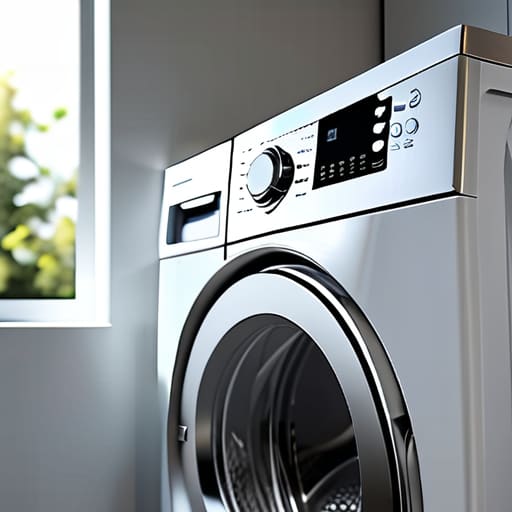

I was knee-deep in a damp kitchen in Bedminster last Tuesday, staring at a washing machine that a customer was convinced was “dead.” It was a heavy, expensive piece of kit, but all it needed was a bit of elbow grease and a cleared-out pump filter. It’s the same story every week: people see a flashing light or hear a funny rattle and immediately assume the whole thing is scrap. They start googling how long appliances should actually last as if there’s some magic number written on the back of the drum, when the truth is usually much simpler. Most of the time, the machine isn’t dying; it’s just choking on a stray sock or a bit of grit.
I’ve spent eighteen years opening up more machines than most people will ever own, and I’m telling you now, most of them weren’t even broken. I’m not here to sell you a shiny new model or give you some manufacturer’s brochure nonsense. I’m going to tell you the unvarnished truth about what keeps a machine running for a decade versus what kills it in three years. We’ll talk about real maintenance, common pitfalls, and how to tell the difference between a genuine mechanical failure and a five-pound fix you can do yourself.
Understanding How Long Appliances Should Actually Last
Look, if you ask a salesperson, they’ll give you a spreadsheet. They’ll tell you a washing machine has a specific lifespan based on some laboratory test. But out in the real world—the one where people actually live, cook, and spill things—it’s a different story entirely. You can’t just look at the average appliance replacement cycle and assume your machine is on its deathbed just because it’s hit the five-year mark.
In my eighteen years, I’ve seen machines that were treated like rubbish go for twelve years, and shiny new ones that packed up in eighteen months because someone didn’t know how to clear a simple drain filter. It really comes down to major appliance wear and tear being a choice in many ways. If you’re actually looking for the signs of failing household appliances, don’t just listen for a loud bang. Listen for the subtle stuff: a motor that sounds a bit more strained than it used to, or a dryer that’s taking two cycles to do what it used to do in one. That’s usually when you need to step in.
Key Things to Know
Look, if you’re waiting for a machine to completely die before you even think about a repair, you’ve already lost the battle. Most people see a loud bang or a puddle on the floor and immediately start browsing for a new model, but that’s usually a mistake. You need to learn the subtle signs of failing household appliances—the weird smells, the slight shudder during a spin cycle, or that high-pitched whine that wasn’t there last Tuesday. Usually, it’s just a bit of grit in a bearing or a worn-out belt, not a death sentence for the whole unit.
I’ve spent eighteen years seeing people throw away perfectly good motors because they didn’t want to deal with a bit of major appliance wear and tear. If you keep an eye on the small stuff, like cleaning out your lint filters or descaling the heating element, you’re looking at much better results. It’s about extending kitchen appliance life through a bit of common sense rather than just following the average appliance replacement cycle. Most of the time, a little bit of grease and a screwdriver are all you really need.
Practical Tips and Steps
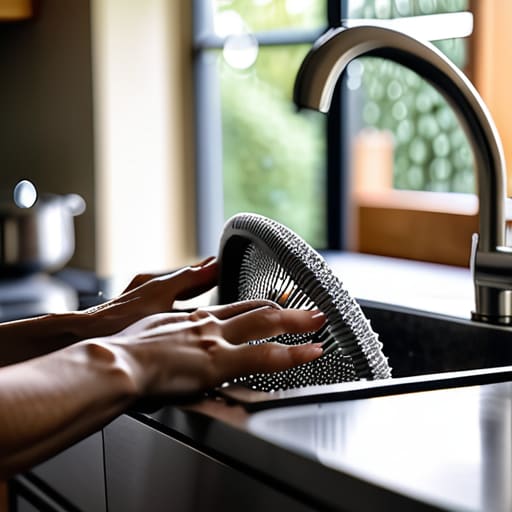
If you want to get more mileage out of your kit, you need to stop treating them like disposable rubbish. The biggest mistake I see is people ignoring the small stuff until the whole machine goes bang. Most of the time, it’s just a bit of grit in a pump or a clogged filter. If you spend ten minutes once a month clearing out the lint and checking the seals, you’ll find that extending kitchen appliance life isn’t some high-tech mystery; it’s just basic hygiene.
Don’t wait for a loud bang or a flood to tell you something is wrong. Keep an eye out for the subtle signs of failing household appliances, like a motor that sounds a bit more strained than usual or a dryer that takes two extra cycles to get the job done. Usually, that’s just a sign of major appliance wear and tear that a quick clean could fix. I’ve got a drawer full of filters from scrapped machines that were perfectly fine—they just needed a bit of attention before they were tossed.
Common Mistakes to Avoid
The biggest mistake I see is people panicking and calling me the second they hear a strange rattle or see a bit of water on the floor. Most folks assume that a weird noise means the motor is shot, when really, it’s just a stray coin or a buildup of limescale. They jump straight to looking at the average appliance replacement cycle instead of just checking the basics. If you treat every little hiccup like a death sentence, you’re going to spend a fortune on new kit you don’t actually need.
Another one that gets me is the “set it and forget it” mentality. People shove their washing machines right up against the wall and never look at the back, or they let dust settle in the vents of their fridge. This kind of major appliance wear and tear is entirely avoidable. If you aren’t checking your filters or giving the coils a quick vacuum once in a while, you’re basically inviting a breakdown. It’s not about being a mechanic; it’s just about not being lazy with the stuff you already own.
Final Thoughts
Look, I’m not here to sell you a new dishwasher every three years. My job is usually just finding the bit of grit or the stray sock that’s making you think you need a credit loan. If you keep an eye on the major appliance wear and tear and don’t ignore those little warning rattles, you’ll find that most of these machines have plenty of life left in them. It’s rarely about the machine being “done”; it’s usually about someone forgetting that a bit of basic care goes a long way.
At the end of the day, don’t get caught up in the average appliance replacement cycle you see in glossy magazines. Those numbers don’t account for someone who actually cleans their filters or runs a service cycle once in a while. If you treat your gear with a bit of respect, you’ll save yourself a heap of money and a lot of unnecessary trips to the landfill. Just remember: most of the time, the machine isn’t dead, it’s just asking for a bit of attention.
Five ways to stop throwing money in the bin
- Stop treating a blocked filter like a death sentence; half the time I’m called out to a “broken” washing machine only to find a single £2 coin or a stray sock choking the pump.
- Listen to the machine instead of ignoring it; if your vacuum starts sounding like a jet engine or your dryer is taking two cycles to get things warm, it’s begging for a bit of maintenance, not a replacement.
- Don’t overfill the drum just because you’re in a rush; overloading puts massive strain on the bearings and the motor, which are the very things that actually determine if a machine lasts ten years or three.
- Check your hoses every couple of years; they get brittle and crack, and it’s much cheaper to swap a perished rubber hose than it is to deal with a flooded kitchen and a ruined floor.
- Clean the lint trap every single time you use the dryer; it’s not just about efficiency, it’s about preventing the heat buildup that kills the heating element prematurely.
The Bottom Line
Don’t bin it just because it’s stopped spinning; half the time it’s just a blocked filter or a five-pound part that’s gone missing.
Most machines aren’t actually “dead”—they’re just being neglected, and a bit of regular cleaning goes further than a new model ever will.
Stop looking for the replacement date and start looking at how you treat the machine; a well-maintained vacuum will outlast a brand-new one any day.
A Final Word Before You Pick Up the Screwdriver
At the end of the day, it all comes down to how you treat the kit. We’ve talked about everything from checking your filters to making sure you aren’t overloading a drum until it screams, but the core message is simple: most machines die because of neglect, not because they’ve reached some magic expiration date. If you keep an eye on the small things—the blocked hoses, the build-up of limescale, and those little bits of grit that get stuck where they shouldn’t—you’ll find that a decent machine can outlast almost anything you buy off the shelf today. Don’t just assume it’s knackered because it’s making a funny noise; take a look under the hood first.
I’ve spent eighteen years pulling apart machines that people were ready to toss on the kerb, only to find they just needed a bit of cleaning or a five-pound part. There is a real satisfaction in making something old run like new again, much like when I’m stripping the rust off an old cast iron pan. We live in a world that wants you to click ‘buy’ on a shiny new model the second something stutters, but there is a quiet sort of pride in making things last. So, before you go calling the replacement shop, give it a chance. You might be surprised at what’s actually still working inside.
Frequently Asked Questions
If my washing machine is making a loud rattling noise, is it actually dying or just something stuck in the drum?
Don’t go calling the scrap man just yet. Most of the time, a rattling machine isn’t dying; it’s just got a bit of grit in its teeth. Usually, it’s a stray 5p coin, a bra wire, or a handful of loose screws rattling around in the drum or the pump filter. Check the filter first—it’s the easiest fix. If the noise is a heavy thumping, then we might be talking bearings, but start with the small stuff.
Is it worth paying for a repair on an older machine, or am I just throwing good money after bad?
It depends on what’s actually wrong. If it’s a blown motor or a cracked drum, you’re probably better off looking for a new one. But if it’s just a faulty sensor or a perished seal, don’t bin it. I’ve seen machines ten years old humming along perfectly just because someone finally cleared a blocked pump. If the repair costs less than half a new machine, it’s usually worth the gamble.
How can I tell if a part is genuinely worn out or if it's just a simple blockage that's causing the trouble?
Look, don’t go ordering a new pump just because the machine is making a racket. If it’s a blockage, you’ll usually hear something rattling or a struggling hum, like it’s trying to swallow a stone. A worn-out part, though? That’s different. That’s a constant, rhythmic grinding or a smell like something’s burning. If it’s just stuck, you’ll find the culprit in the filter or a hose. Check the easy bits before you spend a penny.
