









I’ve spent eighteen years trekking around Bristol, cracking open washing machines and vacuums that people were ready to toss in the skip. It’s a heartbreak, really. Most of the time, the motor is perfectly fine; it’s just a bit of grit or a neglected hose that’s caused the trouble. People think they need a brand-new appliance when, in reality, they just missed a few annual checks worth doing. I’ve seen more “broken” machines end up back in service just because someone took ten minutes to clear out the gunk, and it’s a waste of good engineering every single time.
In this list, I’m going to walk you through five specific things you can do yourself to keep your kit running for years. I’m not talking about anything fancy or expensive—just the practical, no-nonsense maintenance that actually matters. By the time you’ve finished reading, you’ll know exactly how to spot the small issues before they turn into costly repairs. Stick with me, and I’ll show you how to stop being a victim of a blocked filter and start making your appliances last.
The Washing Machine Filter Trap

I can’t tell you how many times I’ve been called out to a job only to find a perfectly good washing machine that won’t drain. Most of the time, it isn’t a blown motor or a dead circuit board; it’s just a sock or a handful of coins jammed right in the filter. If you haven’t opened that little little flap at the bottom of your machine in a year, you’re basically asking for trouble.
Vacuum Suction Secrets
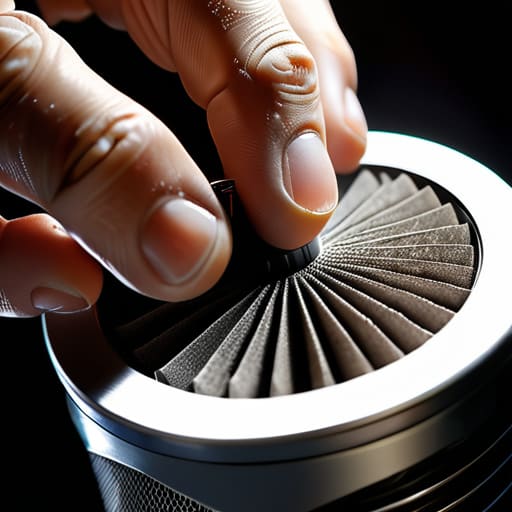
People treat their vacuums like they’re indestructible, but they’re actually quite sensitive to what you’re sucking up. A vacuum that’s lost its “oomph” isn’t usually dying; it’s just suffocating. If you aren’t checking the filters and the hose every few months, you’re forcing the motor to work twice as hard just to move a bit of air.
The Dishwasher Spray Arms
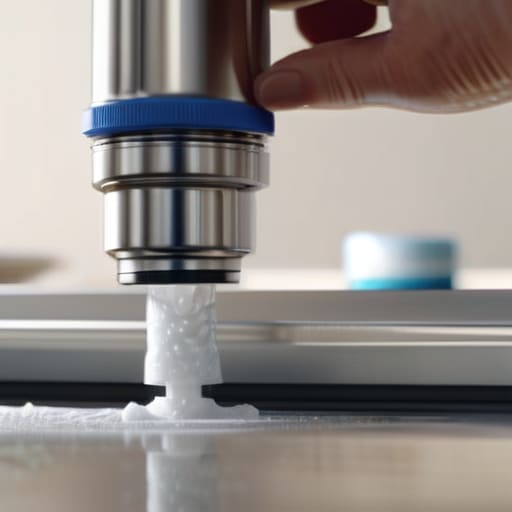
If your plates are coming out of the dishwasher with spots or bits of dried food, don’t go buying new plates just yet. Usually, the problem is sitting right there in the spray arms. Over time, tiny bits of grit and lime scale clog up those little holes, meaning the water isn’t actually hitting the dishes where it needs to.
Fridge Coil Dusting
Most folks never even think about the back of their fridge, which is a massive mistake. Those black coils that sit underneath or behind the unit are responsible for getting the heat out of your food. If they’re coated in a thick layer of kitchen grease and dust, your fridge has to run constantly to stay cool, which absolutely destroys your electric bill.
Tumble Dryer Lint Management
This one isn’t just about making sure your clothes dry faster; it’s a proper fire safety issue. I’ve seen more than a few dryers that looked like they were about to go up in flames because the lint buildup was so thick. It’s not just about the little screen you clean after every load, either; the lint finds its way deeper into the machine than you’d think.
The Bottom Line
Most “broken” appliances are just neglected ones; a bit of cleaning goes much further than a costly replacement.
Don’t wait for the machine to stop working before you look at it—by then, you’re usually looking at a much bigger bill.
Keep an eye on your filters and hoses, because that’s where ninety percent of my jobs actually start.
Don't Wait for the Silence
At the end of the day, it all comes down to the small things. If you take ten minutes once a year to clear out those filters, check your hoses for cracks, and give your seals a proper wipe, you’re already ahead of ninety percent of the people I visit in Bristol. Most of the “broken” machines I see sitting on the curb could have been saved by a simple bit of attention and a ten-pound part that someone was too busy to replace. It isn’t about being a professional; it’s just about not letting a bit of lint or a stray coin turn a perfectly good appliance into a pile of scrap metal.
I know it feels like one more chore on an endless list, but I promise you, the feeling of a machine running smoothly and quietly is worth the effort. There is a certain satisfaction in knowing your kit is looked after, rather than just waiting for the inevitable moment it stops working and leaves you in the lurch. We live in a world that wants us to just throw things away and buy the newest model, but I think there’s more dignity in keeping things running. Treat your machines with a bit of respect, and they’ll likely outlast the next three versions they try to sell you in the shops.
Frequently Asked Questions
If I find a bit of grit or hair in the filter, does that mean the whole machine is on its way out?
Not even slightly. Honestly, if you find grit or hair in a filter, it just means the machine is actually doing its job. That’s what the filter is there for—to catch the rubbish before it reaches the pump. Finding a bit of debris isn’t a death sentence; it’s just a sign that it’s time to give it a quick rinse. Don’t go looking for a replacement just yet.
How often should I actually be looking at the hoses, or is once a year enough to stop a leak?
Once a year is fine for a visual check, but don’t just look at them—give them a proper squeeze. I’ve seen too many people ignore a hose until it’s split right down the middle, turning a kitchen into a swimming pool. If you’ve got pets or kids, check them every six months. Hair and grit can make them stiff, and a stiff hose is a hose that’s about to crack.
Is there a specific way to clean the filters without snapping the plastic bits, or am I just supposed to hope for the best?
Don’t just hope for the best; that’s how you end up with a flooded kitchen. Most of those plastic tabs get brittle from years of heat and detergent. Before you even touch the filter, run some warm—not boiling—water over it to loosen the gunk. When you go to unscrew it, don’t force it. If it feels stuck, give it a tiny wiggle rather than a hard twist. Gentle pressure wins every time.
