








I’ve lost count of how many times I’ve stood in a customer’s kitchen in Bristol, looking at a machine that’s supposedly “dead,” only to find it’s just a bit of trapped lint and a stray sock. People see a puddle on the floor and immediately start googling expensive replacement parts, but the truth is much simpler. Most of the time, you don’t need a new machine; you just need to know how to clear a blocked drain hose without calling out a technician to charge you a hundred quid just to look at it. I’ve pulled out hundreds of these machines over the last eighteen years, and honestly, it’s rarely a mechanical failure—it’s just gunk.
In this guide, I’m going to skip the technical jargon and the fancy tools you don’t actually need. I’ll show you the exact, no-nonsense way to get in there, find the blockage, and get that water moving again. We’ll go through the practical steps to clear the path, from the simple unhooking to the bit of cleaning that actually makes a difference. My goal is to help you stop throwing away perfectly good appliances over a five-pound problem that you can fix yourself in twenty minutes.
Guide Overview
Tools & Supplies
- Bucket for catching residual water
- Pliers or adjustable wrench for loosening clamps
- Old toothbrush or small brush for scrubbing
- Baking soda (approx. 1/2 cup)
- White vinegar (approx. 1/2 cup)
- Boiling water (1 kettleful)
Step-by-Step Instructions
- 1. First thing you need to do is unplug the machine. I know it sounds obvious, but I’ve seen enough people working on live circuits to know that a bit of caution goes a long way. Once you’re sure the power is off, get some old towels and a shallow tray ready. If there’s water sitting in the drum, it’s going to come out the moment you move that hose, and you don’t want your kitchen floor looking like a swimming pool.
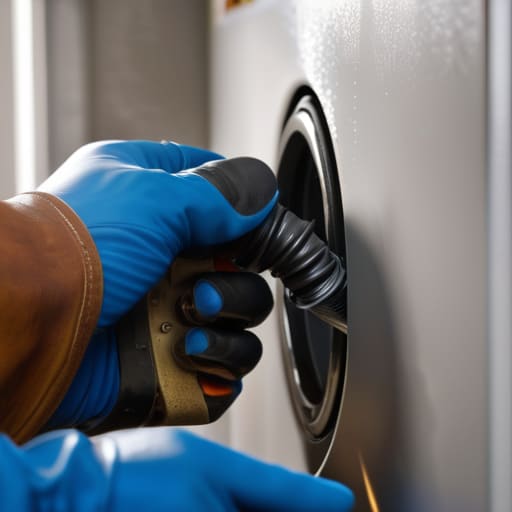
- 2. Get down on your hands and knees and find where the hose connects to your sink or the standpipe. Most of the time, the blockage isn’t even in the machine itself; it’s right where the hose meets the plumbing. Loosen the clip—usually a jubilee clip—and pull the hose free. If it’s stuck fast, don’t force it with pliers or you’ll just crack the plastic; give it a little wiggle and a gentle tug.
- 3. Once the hose is free, take it to the garden or the bathtub. You’re looking for anything trapped inside. I’ve pulled out everything from stray socks to mountainous clumps of hair and old coins. If you can see the blockage, try to push it through using a flexible wire or even a long, thin piece of garden hose. If it’s really stuck, you might need to give the hose a firm squeeze along its length to break up the gunk inside.
- 4. If the hose feels clear but the machine still won’t drain, the problem is likely deeper in the machine, specifically at the sump hose. This is the thick, ribbed bit that goes from the drum to the pump. You’ll usually have to tip the machine back or remove a panel to get to it. Be prepared: this part is almost always full of stagnant water, so make sure your towels are positioned exactly where you expect the spill.
- 5. Check the pump filter while you’re at it. It’s a bit of a chore, but it’s a standard part of the job. Unscrew the filter cap slowly—slowly!—to let the water bleed out into your tray. Once it’s out, clear away any debris, lint, or bits of grit. I always keep a few of these filters in my van because people lose them or break the threads, but for now, just make sure yours is spotless and seated correctly before you screw it back in.
- 6. Once you’ve cleared the line, reconnect everything. Make sure the hose is pushed far enough into the standpipe so it doesn’t suck itself out during a heavy drain cycle, and tighten those clips back up. Run a short rinse cycle with no clothes in it to test it. If it drains properly, you’ve saved yourself a call-out fee and a whole lot of unnecessary stress.
Understanding How to Clear a Blocked Drain Hose
Before you go grabbing a heavy-duty plumbing snake for small hoses, you need to understand what you’re actually fighting. In my eighteen years, I’ve found that it’s rarely a solid object like a coin or a hair clip causing the issue; more often, it’s a thick, grey sludge made of detergent residue and lint. This gunk acts like a slow-setting glue inside the tube. If you’re doing any dishwasher drain hose troubleshooting, keep in mind that food particles can settle in the bends, making the blockage even more stubborn than it looks from the outside.
The trick to successful unclogging washing machine drain hose lines is patience rather than force. If you shove a wire down there too hard, you risk puncturing the corrugated plastic, and then you’re looking at a much more expensive repair than a simple cleaning job. I always suggest using a bit of warm, soapy water to help loosen the buildup before you try to push anything through. If you want to stay ahead of it, preventing drain hose buildup by running a hot service wash once a month is far easier than wrestling with a flooded kitchen floor on a Sunday afternoon.
Key Things to Know
One thing I’ve learned after eighteen years in the trade is that people often go looking for a massive mechanical failure when the culprit is actually just a bit of stray lint or a lost sock. If you’re tackling unclogging washing machine drain hose issues, don’t immediately assume the pump has died. Most of the time, it’s just a physical blockage sitting right in the bend. I’ve seen everything from hairpins to thick clumps of detergent residue that have turned into something resembling concrete.
You don’t need a massive industrial kit to get the job done, but having a few basic drain hose cleaning tools on hand makes life a lot easier. A simple piece of flexible wire or even a long, thin brush can work wonders for removing debris from drain lines without tearing the rubber. Just be careful not to poke too hard; you don’t want to puncture the hose and turn a simple clog into a flooded kitchen. It’s all about being patient and steady with it.
A few things I wish people did before calling me out
- Don’t go wrestling with the machine immediately; check the sink drain first. Half the time, the hose is fine and it’s just your kitchen pipes that are the real culprits.
- Get yourself a proper bucket and some old towels. You aren’t just “unplugging” a hose; you’re inviting a gallon of stagnant, grey water to come visit your kitchen floor.
- If you’re using a coat hanger to poke at a clog, be careful. I’ve seen too many people puncture a soft rubber hose because they were being a bit too aggressive with the metal.
- Check the connection point where the hose meets the machine. It’s common for a bit of lint or a stray sock to get wedged right at the junction, making it look like a massive blockage.
- Once you think it’s clear, run a short rinse cycle without any clothes in it. It’s better to find out it’s still blocked while the machine is empty than when you’ve got a load of wet laundry stuck inside.
The Bottom Line
Most of the time, you aren’t looking at a broken machine, just a machine that’s had a bit too much hair and lint shoved down its throat.
Don’t go buying a new unit just because it won’t drain; nine times out of ten, it’s a five-pound part or a bit of gunk that’s the real culprit.
If you’re going to take it apart, do it properly—and for heaven’s sake, keep an eye on those filters, because that’s where the real trouble usually hides.
Don't Give Up on the Machine Just Yet
At the end of the day, clearing a blocked drain hose isn’t some high-level engineering feat; it’s mostly just about having the patience to get your hands a bit dirty. Whether you’re fishing out a stray sock, clearing out a buildup of old detergent gunk, or just ensuring the hose isn’t kinked behind the machine, you’ve done the hard part. Remember that a quick check of the filter and a bit of attention to those simple obstructions can save you from a massive headache later on. Most of the time, when I turn up to a job, the machine isn’t actually “dead”—it’s just choking on something small that you could have sorted out yourself with a bit of time and a screwdriver.
I’ve seen far too many perfectly good washing machines end up in a skip just because someone didn’t want to spend twenty minutes poking around a hose. It’s a waste of good metal and a waste of your money. My advice is to stop seeing these appliances as disposable boxes and start seeing them as things worth tending to. If you can fix a blocked hose, you can fix just about anything else that comes your way. There’s a real bit of satisfaction in knowing you’ve extended the life of something rather than just clicking ‘buy now’ on a replacement.
Frequently Asked Questions
I've cleared the hose, but why does the machine still smell like stagnant water?
If the hose is clear but the stink remains, you’ve likely got a biofilm problem. All that cleared-out gunk leaves behind a layer of bacteria and old detergent sludge inside the drum and the outer tub. It’s like a dirty sponge. Run a service wash on the hottest setting your machine allows with a bit of white vinegar or a dedicated cleaner. And for heaven’s sake, leave the door ajar when you’re done.
Is it safe to use a plumber's snake or a wire hanger to poke through the blockage?
Absolutely not. Please, don’t do that. I’ve seen enough punctured hoses to last a lifetime. A wire hanger or a metal snake is far too stiff and unforgiving; one wrong move and you’ll pierce that rubber lining like it’s butter. Once you’ve got a hole in the hose, you aren’t just dealing with a clog anymore—you’re dealing with a flood. If it’s stuck, just take the hose off and flush it out properly.
How do I know if the pump itself is dead or if it's definitely just the hose?
It’s the question I get asked more than any other. Here’s the trick: if you hear the pump motor humming or whirring, but nothing’s moving, it’s usually just a clog in the hose or the filter. But if you hear absolutely nothing—just dead silence when the machine should be draining—that’s a bad sign for the pump. If it’s making a loud, angry grinding noise, something’s stuck in the impeller. Usually, it’s just gunk.
