







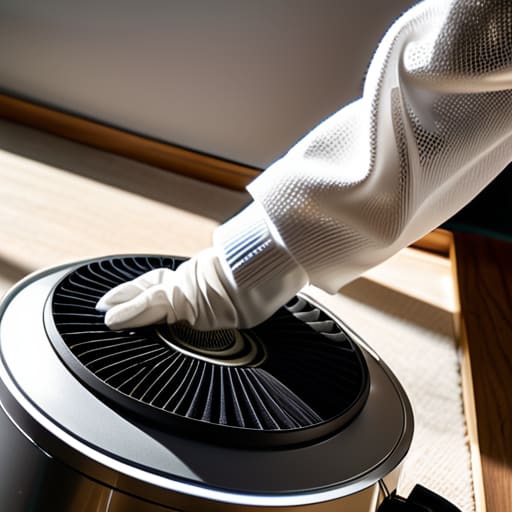

I’ve spent eighteen years pulling motors out of machines in Bristol, and I can tell you right now: that sour, dusty stench isn’t a sign that your motor is dying or that it’s time to head to the tip. Most people think they need a new machine when they start searching for how to clean a vacuum that smells, but the truth is usually much simpler and a lot less expensive. I once spent an hour on my hands and knees in a client’s hallway, only to realize their “broken” machine was just choking on a clogged bit of lint and a damp filter that hadn’t seen the light of day in three years.
I’m not going to give you any of that fancy, over-complicated nonsense you see in glossy magazines. Instead, I’m going to show you exactly how to strip it down, find the source of that funk, and get it breathing fresh again. We’ll walk through checking your seals, washing the right parts, and actually getting the grime out of the hoses. By the time we’re done, you’ll have a machine that works like new without spending a single penny on a replacement.
Guide Overview
Tools & Supplies
- Screwdriver (to access compartments)
- Old toothbrush (for scrubbing crevices)
- Microfiber cloth (for wiping surfaces)
- Baking soda (1 cup)
- Warm water (2 cups)
- Mild dish soap (a few drops)
- Replacement filters (if current ones are damaged)
Step-by-Step Instructions
- 1. First thing you need to do is unplug the beast. I don’t care if you think it’s off; if you’re sticking your hands near a motor or a brush roll, you want that power cord nowhere near your fingers. Once it’s safe, empty the dust bin or pull out the bag. If you’re using a bagless model, don’t just dump it in the bin—take a look at the inside of the canister for any clumps of pet hair or damp debris that might be rotting in there.
- 2. Next, find the filters. Most people treat these like they’re part of the permanent architecture, but they’re actually just sponges for dust and smells. Most modern vacuums have at least two: a pre-motor filter and a HEPA filter. If they’re washable, rinse them under lukewarm running water until the water comes out clear. Don’t use soap unless the manual says so, and for heaven’s sake, let them dry completely before you even think about putting them back in. A damp filter is just a breeding ground for more stink.
- 3. Now, flip the machine over and get to the brush roll. This is where the real nastiness hides. I’ve seen more machines “die” because a thick clump of hair wrapped so tightly around the roller that it stalled the motor. Use a pair of scissors to carefully snip away any hair, thread, or carpet fibers wrapped around the bristles. It’s tedious work, I know, but it’s the difference between a machine that breathes and one that’s choking.
- 4. Take a look at the hose. This is the part people always skip because it’s a pain in the neck. If the smell is coming from deep inside, you likely have something stuck in there—a coin, a clump of hair, or even a bit of wet debris that’s gone mouldy. You can try running a long, flexible brush through it, or if it’s a straight-through design, you might need to disassemble the sections to see what’s actually clogging the airway.
- 5. Don’t forget the seals and the housing. While the filters are drying, take a damp cloth and wipe down the inside of the dust bin and the areas where the filters sit. Dust tends to build up in the nooks and crannies of the plastic casing, and that old dust carries the scent of whatever you last vacuumed up. If there’s a bit of grime, a little bit of white vinegar on a cloth works wonders for neutralising smells without leaving a chemical residue.
- 6. Finally, once everything—and I mean everything—is bone dry, put it all back together. If you put a filter back in while it’s even slightly damp, you’ll be right back where you started, only with a smell that’s twice as bad. Give the machine a quick test run on a bit of carpet just to make sure the suction feels right and that the funk has finally vanished.
Understanding How to Clean a Vacuum That Smells
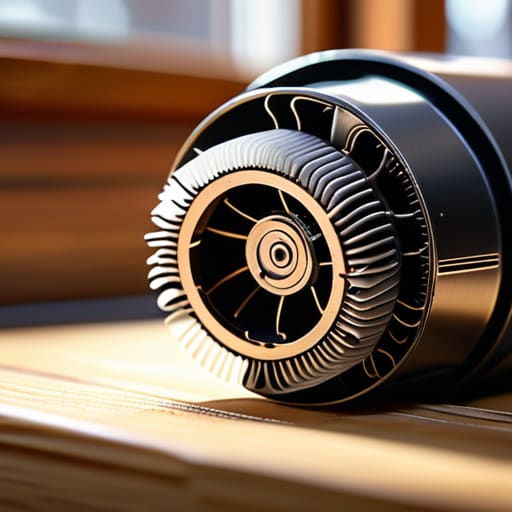
You have to understand that a vacuum doesn’t just “get a smell”—it collects a history of everything you’ve ever spilled. Most people think they need a new motor when they catch that whiff of damp dog or old dust, but it’s rarely a mechanical failure. Usually, it’s just a buildup of organic matter trapped in places you can’t see. I’ve spent eighteen years pulling these things apart, and I can tell you that the scent is almost always living in the hidden crevices where hair and moisture meet.
If you’re dealing with a particularly stubborn stench, you need to look beyond the bag. Cleaning the vacuum dust bin is the obvious first step, but the real culprits are often the seals and the brush roll. If you’ve got a furry household, removing pet hair smell from vacuum units requires you to get in there with some tweezers and a bit of patience. It’s not enough to just empty the bin; you have to ensure there isn’t a clump of damp hair rotting underneath the agitator, acting like a tiny, stinky sponge every time the motor heats up.
Key Things to Know
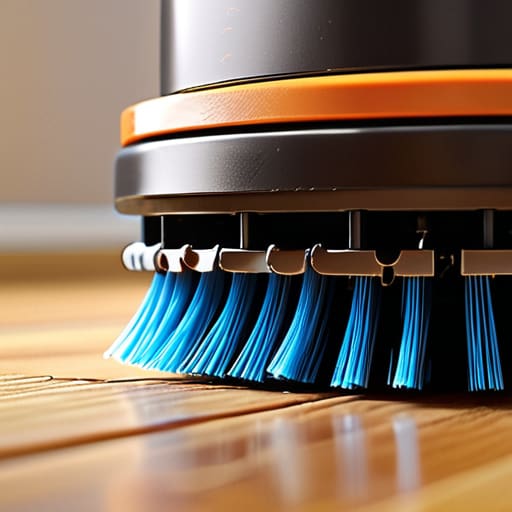
One thing I’ve learned over eighteen years of pulling motors out of dust clouds is that most people forget the most obvious culprit: the brush roll. If you’ve got a dog or a cat, you aren’t just sucking up dirt; you’re collecting organic matter that sits there and rots. When you’re cleaning vacuum brush roll components, don’t just look for the hair tangles. Check for those tiny, matted bits of debris wedged deep in the bristles. If you leave that stuff in there, no amount of scented spray is going to help.
I also tell everyone that a vacuum maintenance checklist should be a monthly habit, not a once-a-year panic when the air turns sour. It’s not enough to just empty the bin; you really need to focus on how to sanitize vacuum filters properly. If you’re using a washable filter, make sure it is bone-dry before it goes back in. I’ve seen plenty of people put a damp filter back into a machine, only to create a breeding ground for mildew that makes the smell ten times worse than when they started.
A few bits of advice from eighteen years under the hood
- Don’t just wash the filter and call it a day; if it’s a foam type and it’s starting to crumble, bin it. A disintegrating filter just breathes dust and old smells right back into your living room.
- Check the hose for more than just clogs. Sometimes a bit of damp hair or a stray sock gets stuck halfway down, and that’s where the rot starts. If you can’t see through it, run a bit of warm soapy water through it.
- If you’re using a bagged vacuum, don’t wait until the bag is bulging like a balloon to change it. A half-full bag is already a breeding ground for whatever’s been sucked up.
- Watch out for what you’re picking up. I’ve seen people try to vacuum up spilled milk or damp pet food—that’s a recipe for a machine that smells like a bin for months, no matter how much you scrub.
- Always let everything—filters, hoses, even the canister—dry completely before you put it back together. I’ve seen plenty of people make the mistake of putting a damp filter back in, only to create a mould problem that’s ten times worse than the original smell.
The Bottom Line
Most of the time, your vacuum isn’t actually broken; it’s just choked on dust and hair that should have been cleared out weeks ago.
Don’t go buying a new machine just because it smells like a wet dog—usually, a bit of elbow grease on the filters and a quick wipe of the dust bin does the trick.
If you want to stop the smell before it starts, make it a habit to check the filters regularly, rather than waiting until the machine starts acting up.
Don't Bin It Just Yet
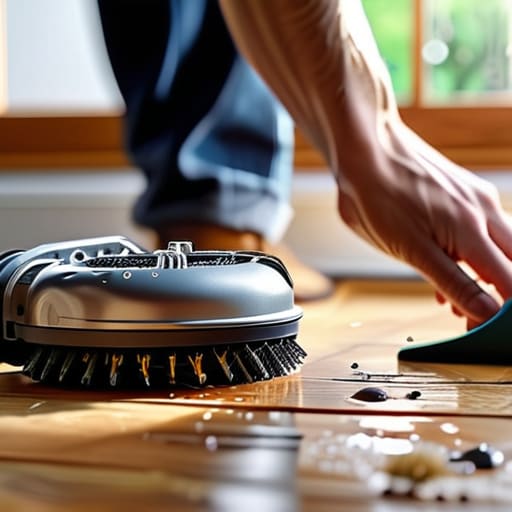
At the end of the day, a stinking vacuum isn’t a sign that you need to spend three hundred quid on a new Dyson. Most of the time, it’s just a bit of neglect in the dark corners of the machine. Whether it’s a clogged hose trapping pet hair or a filter that’s seen better days, the fix is almost always simpler than the manual makes it out to be. Just remember to check the brushes, rinse those filters properly, and keep an eye on the dust bin. If you take ten minutes once a month to actually look inside the machine, you’ll save yourself a lot of heartache and a very expensive trip to the shops.
I’ve spent eighteen years pulling apart machines that people were ready to toss on the curb, and I tell you, it’s a crying shame. We live in a world where people think a bit of a smell means the motor is blown, but usually, it’s just a machine begging for a bit of attention. There is a real satisfaction in taking something that feels broken and making it run sweet again with nothing more than a screwdriver and a bit of patience. Don’t let a bit of dust win; keep your tools handy and keep those machines running.
Frequently Asked Questions
I've cleaned the filters and the bin, but the smell is still coming from deep inside the machine—is my motor actually burnt out?
Don’t go buying a new machine just yet. If the filters and bin are spotless but that stench lingers, you’ve likely got something stuck in the intake hose or, worse, a bit of organic matter—like spilled milk or pet food—rotting in the internal ducting. It’s a nasty job, but usually, it’s just a blockage, not a dead motor. A burnt motor smells like ozone or melting plastic; a dirty machine just smells like old rubbish.
Can I use any old soap to wash the filters, or am I going to ruin the suction if I use the wrong stuff?
Don’t go grabbing the heavy-duty degreaser or anything with fancy moisturizers in it. You want to keep it simple: a tiny bit of mild dish soap in lukewarm water is plenty. The goal is to clear the grit and the smell without leaving a film behind. If you use something too thick or oily, it’ll clog those tiny pores in the filter material, and that’s exactly how you end up killing your suction.
If I've got a bagless vacuum, how often should I be washing the internal parts before the stench becomes permanent?
If you’re running a bagless, don’t wait for the smell to hit you—by then, the bacteria have already moved in. I’d say give the filters and the canister a proper wash once a month, especially if you’ve got pets or kids. If you’re heavy users, maybe every few weeks. Just make sure everything is bone-dry before you put it back together. Putting a damp filter back in is just asking for a permanent stench.
