







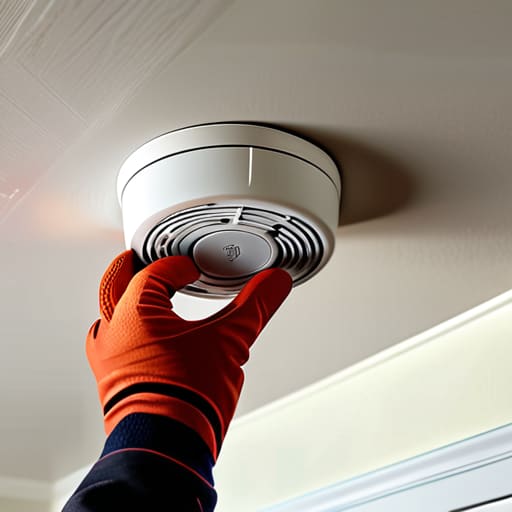

I was elbow-deep in a Bosch washing machine last Tuesday when the homeowner mentioned they’d “sorted” their smoke alarms by just sticking them on the ceiling with a bit of heavy-duty mounting tape. I had to stop mid-wrench just to process that. It’s the same story I see with appliances all the time: people think a quick fix or a bit of adhesive is the same as doing the job right. But when it comes to fitting a smoke alarm properly, that “good enough” attitude is exactly what fails when you actually need it to work. A smoke alarm isn’t a decorative light fixture; it’s a piece of safety equipment that needs to be exactly where the physics of smoke dictates, not just where it looks neat.
I’m not here to give you a lecture or read you the fine print from a glossy manual. I’ve spent eighteen years seeing how people neglect the small, vital details that keep a house running, and I’m not about to let you do the same with your safety. In this guide, I’m going to walk you through the actual, no-nonsense steps of getting these units installed correctly. We’ll cover where the air actually flows, how to avoid the common placement traps, and how to make sure your setup is actually reliable instead of just looking the part.
Guide Overview
Tools & Supplies
- Power drill with drill bits for making holes
- Screwdriver for securing mounting brackets
- Step ladder for reaching high ceilings/walls
- Smoke alarm unit (1 per room/floor)
- Mounting screws (included with unit)
- Wall plugs/anchors (if installing on masonry or drywall)
Step-by-Step Instructions
- 1. First things first, you need to pick your spot. I’ve seen far too many people stick these things in the corner of a room or right next to a kitchen vent, which is a complete waste of time. You want them on the ceiling, ideally in the middle of the room, and at least a metre away from any draughty spots like windows or doors. If air is moving too quickly around the sensor, it’ll just blow the smoke away before the alarm even has a chance to wake you up.
- 2. Once you’ve found the right spot, grab a pencil and mark where the mounting bracket needs to go. Don’t just wing it; if you’re drilling into masonry, you’ll want to be dead certain before you start making holes. Use a spirit level if you have one, because if that bracket is sitting crooked, the whole unit looks a mess and might not sit flush against the surface.
- 3. Now, get your drill out and make your holes. If you’re working on a plasterboard ceiling, make sure you’re using the right wall plugs. I’ve seen plenty of alarms come crashing down a few months later because someone was too stingy with the proper fixings. Once the plugs are in, screw the mounting bracket tight so it doesn’t wiggle when you’re trying to twist the alarm into place.
- 4. If you’ve bought one of those mains-powered units, this is the bit where most people get a bit twitchy. You’ll need to wire it into the existing terminal block. Make sure the power is completely off at the consumer unit before you touch anything. I’ve spent eighteen years looking at electrical components, and I can tell you, there is no shortcut for being careful with live wires.
- 5. Pop the battery in—and please, don’t use one of those cheap, unbranded ones you find in a bargain bin. Use a decent alkaline battery so you aren’t standing on a ladder every three weeks replacing it. Once the battery is in, slide the alarm unit onto the bracket and give it a firm twist. You should feel it click into place so it’s secure and won’t budge if someone bumps it while cleaning.
- 6. The final, and most important, step is the test. Don’t just assume it works because the little green light is on. Press the test button and stay back—it’s going to be loud. If it doesn’t scream, you’ve either got a faulty unit or you’ve messed up the wiring, and you need to go back to step one. It’s better to find out now than at three in the morning when you actually need it.
Understanding Fitting a Smoke Alarm Properly
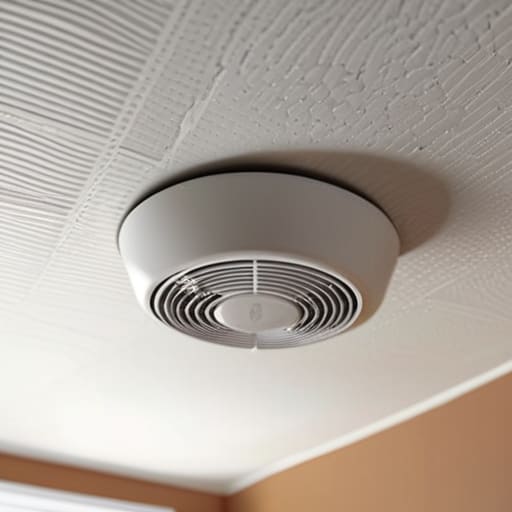
Look, I spent nearly two decades pulling apart washing machines, and if there’s one thing I’ve learned, it’s that people tend to ignore the small stuff until it’s too late. A smoke alarm isn’t like a vacuum cleaner; you don’t just plug it in and forget it exists. You need to think about the air movement in your house. If you’re looking at a smoke alarm location guide, pay attention to the “dead air” spaces. Putting a sensor right in the corner where the wall meets the ceiling is a classic mistake—the smoke won’t even reach it before the room is full.
I also can’t stress enough how much easier life is when you opt for interconnected smoke alarms. I’ve seen too many houses where a fire starts in the kitchen, but the alarm in the hallway stays silent because it’s too far away. If they’re all linked, one goes off, they all go off. It’s not just about following fire safety home regulations to tick a box; it’s about making sure that when something actually goes wrong, you aren’t caught sleeping.
Key Things to Know
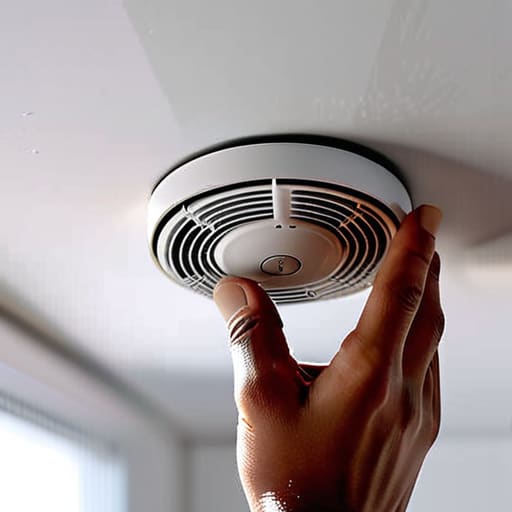
One thing I’ve learned from years of poking around people’s homes is that people tend to treat smoke alarms like they’re “set and forget” gadgets. They aren’t. If you want to actually stay safe, you need to keep a basic smoke alarm maintenance schedule in your head. I’m talking about more than just hitting the test button once a year; you need to be checking for dust buildup in the sensors. A bit of household fluff can be just as troublesome as a real fire when it comes to getting a quick response from the unit.
You also shouldn’t just scatter them wherever there’s a bit of empty wall space. If you’re looking at a smoke alarm location guide, pay attention to the “dead air” spaces—those little corners where the ceiling meets the wall. Smoke doesn’t like to curl into those tight spots, so if you mount it right in the corner, you might as well not have it at all. I always tell people to aim for the middle of the room or at least a good distance from those edges to ensure the sensor actually catches what it’s supposed to.
Five things I’ve learned from seeing too many "broken" alarms
- Don’t go putting them in the kitchen or right outside the bathroom. I’ve seen countless alarms go off just because someone was boiling a kettle or stepped out of a shower. It’s not a fault; it’s just a sensor doing its job too well.
- If you’re mounting it on a ceiling, keep it away from the corners. Air doesn’t circulate well in those little pockets where the wall meets the ceiling, and you’ll end up with a dead zone where smoke can’t even reach the sensor.
- Check the date on the back of the unit before you even pick up a screwdriver. These things have an expiry date, just like milk. There’s no point in a perfect installation if the sensor inside is already tired and ready to quit.
- Make sure you aren’t mounting it right next to a fan or an air vent. If you’ve got a breeze blowing through the room, it’ll just push the smoke right past the alarm, and you’ll be left sitting in a smoky room with a perfectly silent device.
- Get a ladder, not a chair. I’ve seen people wobbling about on kitchen stools trying to reach a high ceiling, and it’s a recipe for a trip to the A&E. If you can’t reach it safely, you won’t do the job properly.
The Bottom Line
Don’t just slap it anywhere; if you put it too close to a kitchen or a bathroom where steam can get to it, you’re going to be dealing with nothing but nuisance beeps.
Treat the installation like any other bit of kit—follow the manual’s placement rules exactly, or you’re basically just hanging a plastic ornament on your ceiling.
A smoke alarm isn’t “set and forget.” You need to test it regularly, because a dead battery is just as useless as a machine with a blocked hose.
Don't Just Stick It on the Ceiling and Forget It
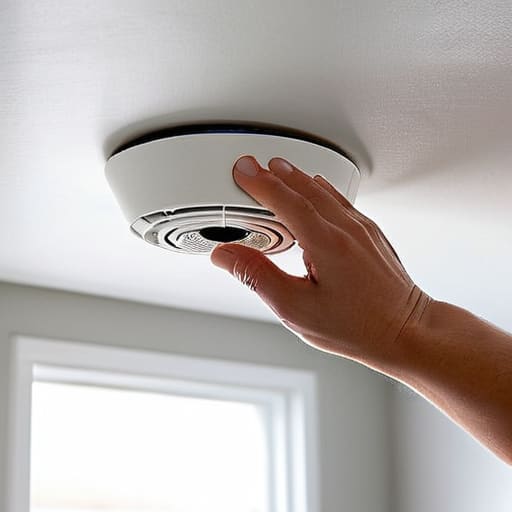
At the end of the day, fitting a smoke alarm isn’t some complex engineering feat, but it does require you to actually pay attention. You’ve got to get the positioning right—away from those drafty corners or the steam from the bathroom—and you absolutely must test the battery every single time you change it. I’ve seen too many people treat these things like a “set it and forget it” appliance, like a toaster or a kettle, but a smoke alarm is different. If you’ve followed the steps, checked the mounting, and made sure the sensor isn’t being choked by dust or paint, then you’ve done the job properly and safely.
I spend my working life fixing things that people have thrown away because they didn’t bother to look a little closer. A smoke alarm is one of those rare bits of kit where being a bit thorough actually matters for something much bigger than just a working machine. It’s about peace of mind, really. Take ten minutes to do it right, and you won’t have to worry about whether it’ll actually wake you up when it counts. It’s a small bit of maintenance that makes a massive difference, and frankly, it’s the easiest way to look after your home.
Frequently Asked Questions
Do I really need to worry about where the kitchen is, or can I just stick it anywhere on the ceiling?
Don’t just stick it anywhere. If you put it right in the kitchen, you’ll be woken up at 2 a.m. every time you burn a bit of toast. That’s a “nuisance alarm,” and they’re a pain. You want it near the kitchen, but not in it. Keep it a few metres away from the cooker to avoid those false trips. It’s about finding the balance between catching a fire and losing your mind.
If I’ve got a fancy new one, do I still need to bother with the old-fashioned battery ones in the hallway?
Look, I’ve spent eighteen years pulling lint and hair out of machines that people thought were dead, and it’s always the same story: people rely on one bit of kit and forget the rest. If you’ve got a fancy new smart alarm, fine, but don’t get lazy. Put a basic battery one in the hallway anyway. It’s cheap, it’s reliable, and it doesn’t need a Wi-Fi signal to tell you your house is on fire.
How often am I actually supposed to be testing these things to make sure they haven't just gone dead?
You should be testing them once a month, no excuses. It only takes a second to press the button and make sure that little siren actually screams. If you’re feeling thorough, check the batteries every six months, though most modern ones are sealed units. I’ve seen far too many “working” alarms that were actually just silent plastic lumps on the ceiling because someone forgot to check them. Don’t wait for a fire to find out.
