









I’ve spent eighteen years pulling apart washing machines and vacuum cleaners, and if there’s one thing I’ve learned, it’s that people love to throw money at problems that don’t exist. You’ll see adverts for these fancy, high-tech dehumidifiers that cost more than a decent set of cast iron pans, promising they’re the only way of keeping a bathroom dry. It’s absolute nonsense. Most of the time, you aren’t dealing with a climate crisis in your ensuite; you’re just dealing with a lack of basic airflow or a seal that’s gone a bit soft. I’ve seen enough damp-ridden floorboards to know that expensive gadgets won’t fix a simple mechanical oversight.
I’m not here to sell you a lifestyle or a miracle cure. I’m just going to tell you what I’ve seen from the business end of a toolkit. I’ll show you how to spot the real culprits—from blocked vents to those tiny, overlooked leaks—so you can stop worrying about the rot and start managing your home properly. This is about practical, common-sense maintenance that actually works, without the sales pitch.
Understanding Keeping a Bathroom Dry

Understanding keeping a bathroom dry
Most people think a damp bathroom is just a bit of bad luck or a poorly built house, but after eighteen years of pulling apart motors and checking seals, I know better. It’s almost always a failure of airflow. When you step out of a hot shower, you’re essentially releasing a cloud of steam that has nowhere to go. If your fan is choked with dust or your window is painted shut, that moisture doesn’t just vanish; it settles. It clings to the grout, soaks into the ceiling, and starts the slow process of preventing bathroom condensation from actually leaving the room.
I’ve seen enough rot behind tiles to know that moisture is a patient enemy. If you aren’t looking into proper bathroom ventilation solutions, you’re basically inviting the damp to move in and stay. It isn’t just about a single wipe-down after a wash; it’s about managing the air itself. If you can’t get the steam out quickly, you’re just feeding the spores. Once that dampness gets trapped in the walls, no amount of scrubbing will fix the structural headache you’ve created.
Key Things to Know
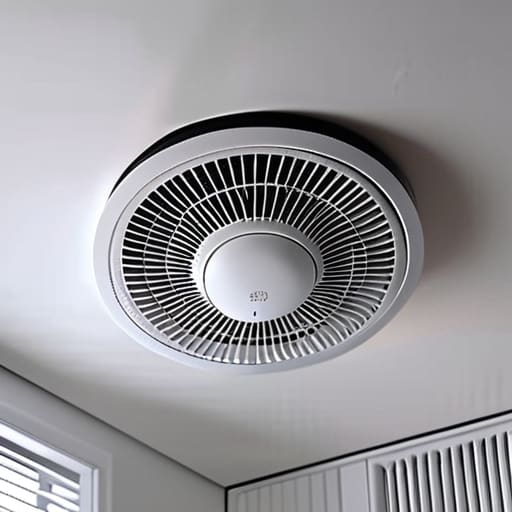
First off, you need to look at your extractor fan. I’ve spent years pulling apart washing machines only to find the pump motor is fine, but the blockage is so thick the machine can’t even breathe. Your bathroom is the same. If your fan sounds like a dying bird or doesn’t move any air at all, you aren’t actually preventing bathroom condensation; you’re just swirling steam around the room. A dusty, sluggish fan is useless, so clean the grate or replace the unit before the moisture settles into your grout.
Secondly, stop letting the steam sit. I’ve seen enough water-damaged floorboards to know that “air drying” isn’t a strategy. If you have a tiny space, you need to focus on reducing humidity in small bathrooms by keeping the door cracked or using a dedicated dehumidifier. If you leave that heavy, damp air trapped in a corner, you’re essentially inviting rot to move in. It’s not about fancy gadgets; it’s about making sure the moisture actually leaves the room instead of soaking into the walls.
Practical Tips and Steps
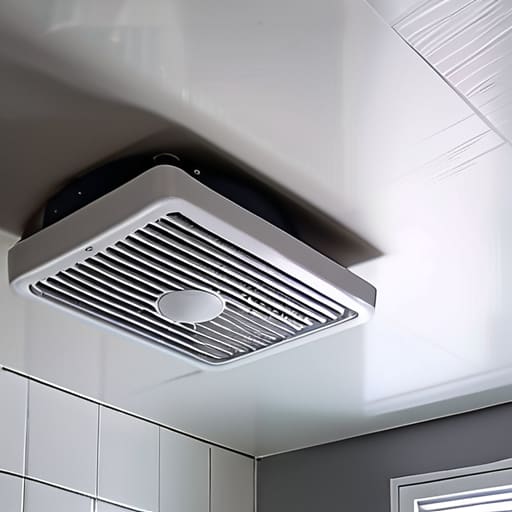
First things first, stop treating your extractor fan like a decorative ornament. I’ve seen enough damp-ridden ceilings to know that most people turn the fan off the second they step out of the shower. If you want to succeed at preventing bathroom condensation, you need to leave that fan running for at least twenty minutes after you’ve finished. It’s not just about the air; it’s about moving the heavy, wet stuff out before it settles into your grout. If your fan sounds like a bag of loose nails, it’s probably choked with dust—clean it out.
Next, take a look at your surfaces. After a hot shower, the tiles are usually dripping, and that’s where the trouble starts. I’m a big believer in a quick wipe-down with a squeegee or a dry cloth; it’s a bit of a chore, but it’s the most effective bathroom moisture removal method there is. If you’re dealing with a cramped space, you really have to focus on reducing humidity in small bathrooms by keeping the door cracked open whenever possible. Don’t let that steam just sit there and soak into the walls.
Common Mistakes to Avoid
The biggest mistake I see—and I’ve seen it in enough damp, crumbling flats around Bristol—is people treating their extractor fan like a suggestion rather than a tool. They flick it on for five minutes, hear the motor whir, and think they’re done. If you aren’t running that fan for at least twenty minutes after a hot shower, you aren’t actually preventing bathroom condensation; you’re just moving the steam around. I’ve pulled apart enough fans to know that half of them are choked with dust anyway, so if yours sounds like a dying vacuum, clean it or replace it.
Another blunder is ignoring the grout and the sealant. People spend a fortune on fancy tiles but leave the silicone looking like a science experiment. If you don’t address those tiny cracks, you’re essentially inviting rot into your walls. I’ve seen more structural damage from a leaky silicone bead than from a burst pipe. Learning how to stop bathroom mould growth starts with making sure your surfaces are actually sealed and bone-dry, not just wiped down with a damp cloth that’s doing more harm than good.
Final Thoughts
At the end of the day, most of the “broken” bathrooms I see aren’t actually broken; they’re just neglected. I’ve spent eighteen years pulling apart machines that died because someone couldn’t be bothered to clear a simple blockage, and bathrooms are much the same. If you aren’t proactive about preventing bathroom condensation, you’re essentially inviting rot into your home. It isn’t about expensive renovations; it’s about the small, daily habits that stop moisture from settling into the cracks and grout.
Don’t wait until you see black spots on the ceiling to start looking into effective bathroom moisture removal. By then, you’re already playing catch-up with the damage. Whether it’s upgrading your fan or just making sure you wipe down the tiles after a soak, it’s all about managing the environment. I’ve seen enough damp-ridden subfloors to know that a little bit of effort now saves you a massive headache—and a lot of money—later. Keep it moving, keep it dry, and don’t let the damp win.
Five ways to stop the damp before it starts
- Don’t just close the door when you’re done; crack it wide open. If you leave it shut, you’re basically trapping a tropical rainforest in a small box, and that’s how you get mould in the grout.
- Get a decent squeegee and use it. I know, it’s an extra thirty seconds, but if you wipe the water off the tiles and the glass after every shower, it can’t sit there and seep into your sealant.
- Check your extractor fan regularly. I’ve seen too many people assume a fan is working just because it’s making a noise, but if it’s choked with dust, it isn’t actually moving any air. Give the blades a wipe.
- Stop leaving wet towels in a heap on the floor. A damp towel is a sponge for moisture; hang them up properly so they can actually dry out, otherwise, your whole room stays humid for hours.
- Keep an eye on your silicone. If you see it peeling or turning black, don’t just ignore it. Once the seal fails, water gets behind the tiles, and that’s a much more expensive job than just scraping it out and applying some new bead.
The Bottom Line
Moisture isn’t just a nuisance; it’s a slow-motion wrecking ball for your subfloor and grout if you let it sit.
Most “broken” bathrooms are actually just neglected ones—keep the air moving and the surfaces dry, and you’ll save yourself a fortune in repairs.
Don’t wait for the rot to show; by the time you see black spots on the ceiling or soft tiles, the damage is already deep in the structure.
One Last Look Before You Close the Door
At the end of the day, keeping a bathroom dry isn’t about some expensive, high-tech renovation; it’s about the small, repetitive habits that prevent a disaster. I’ve seen far too many homes where a simple bit of condensation or a slightly leaky seal turned into a nightmare of black mould and rotting floorboards. If you remember to wipe down the surfaces after a shower, keep your extractor fan running for a bit longer than you think you need to, and make sure your grout isn’t crumbling away, you’ve already won half the battle. Most of the “breakages” I see in my line of work aren’t mechanical failures at all—they are just the result of moisture being left to sit where it doesn’t belong.
Don’t let the little things slide just because they seem trivial. It’s easy to walk away from a damp patch or a slow-draining sink, but those are the exact moments where a five-minute fix turns into a five-hundred-pound repair bill. Treat your bathroom like a piece of machinery that needs a bit of regular maintenance to stay in top shape. If you stay on top of the preventative basics, you won’t find yourself staring at a sodden subfloor or a ruined ceiling in six months’ time. It’s about working smarter, not harder, to keep your home standing strong.
Frequently Asked Questions
If I see black spots appearing in the grout, is that just surface mould or is the water already getting behind the tiles?
If you’re seeing black spots in the grout, don’t just scrub it and hope for the best. Usually, it’s surface mould, but if those spots don’t budge with a good clean, the moisture has already found its way into the grout itself. Once it’s in there, it’s feeding on what’s underneath. If the grout feels soft or crumbly, that’s your sign the water is already getting behind the tiles.
Is it worth spending money on a proper extractor fan, or can I just get away with leaving the window cracked open?
Look, if you’re asking me, the window is a lazy fix. I’ve seen enough damp-bloated floorboards to know that a cracked window won’t pull the heavy steam out of the air fast enough. If you can afford a decent extractor fan, get one. It does the job consistently, even when it’s freezing outside. A window is fine for a breeze, but a fan actually moves the moisture before it settles into your walls.
How often should I actually be checking the sealant around the bath to make sure it hasn't gone dodgy?
Give it a proper look every few months. Don’t just glance at it; run your finger along the edge. If it feels slimy, or if you see any black spots peeking through, it’s already failing. I’ve seen enough damp-rotted floorboards to know that once that sealant pulls away from the tile, even a tiny gap is enough to let water seep into the subfloor. Better to strip and redo it now than replace a bath later.
