









I was elbows-deep in a Bosch washing machine last Tuesday—the kind that looked brand new on the outside—only to find a tangled mess of hairpins and a single, half-dissolved coin choking the drain pump. It’s the same story every week in Bristol. You read these glossy tech blogs where experts rave about “smart connectivity” and “energy efficiency ratings,” but they never actually talk about the grit and grime that kills a machine in three years. There is a massive gap between a lab report and a machine that’s been running on a Tuesday night with a load of heavy towels, and quite frankly, what reviewers never test is how these things hold up once they actually enter a real, messy human home.
I’m not here to talk about software updates or sleek interface designs. I’ve spent eighteen years pulling filters out of scrap heaps, and I know that real reliability is found in the parts you can actually touch and clean. In this post, I’m going to strip away the marketing fluff and tell you exactly where these manufacturers are cutting corners. I’ll show you the structural weaknesses and the “disposable” parts that will cost you a fortune if you don’t know what to look for.
The Unboxing Illusion What Reviewers Never Test in the First Week

When a reviewer gets a shiny new washing machine in their studio, they spend about forty minutes running a single cycle to see if it makes a loud clunking noise. That’s not a test; it’s a greeting. They’re looking at the shiny plastic and the digital display, but they aren’t looking at the integrity of the seals or how the drum housing reacts after fifty heavy-duty cycles. There is a massive gap between unboxing vs long-term ownership, and most tech journalists are completely oblivious to it.
I’ve seen plenty of “top-rated” appliances fail within six months because of a tiny, cheap plastic clip that snaps the moment you actually use the machine for its intended purpose. Reviewers test for features, but they never test for real-world usage scenarios—like a family of four running three loads a day with heavy towels. They see a machine that works perfectly in a controlled environment, but they miss the hidden manufacturing defects that only crawl out once the heat and vibration of daily life start wearing the components down.
Why Perfect Initial Performance Masks Hidden Manufacturing Defects
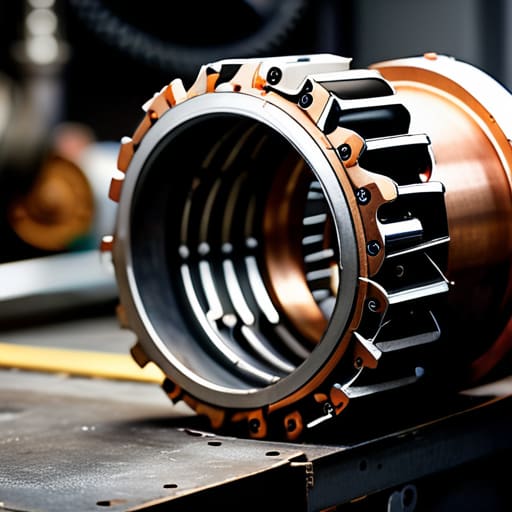
The problem with a shiny new machine sitting on a reviewer’s kitchen counter is that it hasn’t actually done any work yet. When I pull a machine out of a scrap heap, it’s usually because it’s been through the wars, not because it failed on day one. Reviewers tend to focus on that honeymoon period, but they completely ignore the hidden manufacturing defects that only show up after the six-month mark. A motor might spin perfectly fine for twenty cycles, but if the bearings were slightly off-spec from the factory, they’re going to scream like a banshee once they’ve actually been subjected to real-world usage scenarios.
It’s easy to look good in a controlled test, but a vacuum cleaner isn’t meant to live in a showroom; it’s meant to suck up grit and pet hair every single day. I’ve seen countless cases where a component is just barely within tolerance, and it works beautifully during a week-long review. However, when you look at the actual long-term product durability, those tiny deviations add up. By the time the consumer realizes the machine is failing, the reviewer has already moved on to the next shiny gadget.
Real World Usage Scenarios That Break the Machines Reviewers Praise

Reviewers tend to live in a world of pristine environments and gentle handling. They run a cycle, check the spin speed, and call it a day. But my workshop is filled with the aftermath of real-world usage scenarios that those glossy tests simply don’t account for. I see the machines that have been pushed through heavy, unbalanced loads of wet towels or forced to swallow a stray coin or a handful of grit. A machine might pass a week of testing with flying colors, but it hasn’t faced the slow, grinding reality of a household that actually uses it.
Most of the problems I see aren’t about the fancy digital displays; they’re about the mechanical fatigue that sets in after two years of heavy lifting. There is a massive gap between a controlled test and the actual long-term product durability required to survive a busy family home. When a reviewer stops testing after a month, they miss the way a slightly misaligned bearing or a cheap plastic pump housing starts to fail under pressure. They see a success story; I see a machine that’s just waiting to break.
Calculating Long Term Product Durability Beyond the Shiny Surface
Reviewers tend to treat a product like a guest in a showroom—everything is polite, clean, and nothing is ever spilled. But I look at appliances through the lens of a product lifecycle assessment, and I can tell you that a machine’s true character doesn’t show up until year three or four. When I’m standing in a customer’s kitchen in Bristol, I’m not looking at how fast the spin cycle is; I’m looking at the fraying of the drive belt or the way the plastic housing has started to warp from repeated heat cycles.
The gap between unboxing vs long-term ownership is where the real truth lies. A reviewer might give a vacuum five stars because it picks up dust beautifully on a polished floor, but they won’t tell you that the motor brushes are made of cheap carbon that’ll disintegrate after sixty hours of use. They don’t account for the grit, the hair, and the sheer stubbornness of daily life. Most people think they need a new machine, but usually, they just need a bit of grease and a part that shouldn’t have been made of flimsy plastic in the first place.
Predicting Consumer Electronics Failure Rates Through Lifecycle Assessment
When people talk about a product lifecycle assessment, they’re usually looking at spreadsheets and factory data. But when I’m staring at a gutted washing machine on my workbench, I’m looking at the reality of how things actually die. Reviewers focus on whether a machine can handle a single cycle of heavy cottons in a controlled lab. They don’t account for the cumulative stress of three years of hard use, where tiny amounts of limescale or stray coins slowly chew away at the bearings.
The truth is, most consumer electronics failure rates aren’t caused by catastrophic collapses; they’re caused by gradual, predictable wear that no one bothers to simulate. A reviewer sees a sleek interface and a quiet motor, but they don’t see how that cheap plastic sensor will become brittle after five hundred heat cycles. If you want to know if a machine is built to last, you have to look past the initial performance and ask if the components are actually designed for long-term product durability or if they’re just meant to survive the warranty period.
Five things I wish people looked for instead of the shiny manual
- Check the accessibility of the filters. Most reviewers just run a cycle and call it a day, but they never try to actually get their hands inside to clean out the lint or the coins. If you can’t reach the filter without a degree in engineering and a set of specialized tools, that machine is going to end up in a landfill within two years.
- Look at the quality of the seals and hoses. A reviewer won’t tell you if a rubber gasket feels thin or brittle, but I’ve seen enough flooded kitchens to know that a cheap seal is a ticking time bomb. If it looks like it’s made of recycled candy wrappers, it’s not going to last.
- Test the “clog factor.” I’ve spent eighteen years pulling hair, grit, and mystery sludge out of machines that people thought were “broken.” A reviewer won’t run a heavy-duty load of muddy towels or thick fleece blankets to see how quickly the drainage system chokes, but that’s exactly how you’ll use it.
- Listen for the “death rattle” after twenty cycles. A machine might sound whisper-quiet during a thirty-minute test run in a studio, but that doesn’t tell you anything about how the bearings hold up when they’re actually under load. I want to know if that motor starts singing a different tune once it’s actually been working for a month.
- Inspect the repairability of the internal components. I keep the filters from every scrapped machine I find, and it’s a habit because I know how much easier it is to fix something when the parts are actually designed to be replaced. If a reviewer doesn’t mention whether you can actually swap a part without throwing the whole unit away, they aren’t giving you the full story.
The bottom line for your next purchase
Stop trusting a five-star rating based on a week of use; a machine that works perfectly out of the box hasn’t actually been tested until it’s survived its first year of real-world grime.
Look past the shiny exterior and ask if the parts are actually replaceable, because a machine that can’t be opened without breaking is just expensive future landfill.
Real durability isn’t about how fast a motor spins during a demo, it’s about whether a simple blocked filter or a loose hose is going to send the whole thing to the scrap heap.
A bit of common sense
At the end of the day, a shiny unboxing video or a glowing five-star rating from a week of light use doesn’t tell you a thing about whether that machine will actually survive your life. We’ve looked at how reviewers miss the slow creep of manufacturing defects, how they ignore the grit of real-world usage, and why those initial performance metrics are often nothing more than a temporary illusion. If you aren’t looking at the accessibility of the filters, the quality of the internal seals, or how easily a simple blockage can turn a minor fix into a total write-off, you aren’t really testing the product—you’re just admiring the packaging.
My advice is simple: stop looking for the perfect machine and start looking for the one that’s built to be maintained. Don’t be fooled by the high-tech bells and whistles that make a reviewer’s life easy but make a technician’s life a nightmare. A machine is only as good as its weakest, most inaccessible part. If you learn to look past the gloss and ask the right questions about how a thing is put together, you’ll stop being a consumer who replaces things and start being someone who actually owns them.
Frequently Asked Questions
If a machine passes all the professional tests but still fails early, is there a specific sign I should look for during the first few months of owning it?
Listen, if it’s passing the tests but still dying early, you need to watch the noise. Not just a loud bang, but a change in the rhythm. If a washing machine starts sounding even slightly more “off-kilter” or heavy during a spin cycle than it did on day one, something is wrong. It’s usually a bearing starting to go or a pump struggling against something it shouldn’t. Don’t ignore that subtle shift.
How can I tell if a component is built to last or if it’s just one of those cheap plastic bits that's going to snap the moment the warranty expires?
Look for the weight and the sound. When you’re looking at a component, give it a little tap. If it sounds hollow and thin, like a cheap takeaway container, it’s going to snap. I’ve seen a thousand washing machine pump housings that look fine until the first heavy load, then crack. Look for reinforced ribbing or metal inserts where things pivot. If it’s all flimsy, smooth plastic with no structure, it’s designed to end up in a landfill.
Since reviewers don't test for long-term wear, what are the most common "small" parts—like filters or hoses—that I should be checking myself to prevent a total breakdown?
Look, it’s rarely the motor that gives up; it’s the bits that cost less than a sandwich. Check your lint filters and drain hoses first. If a hose is kinked or clogged with sludge, the pump works twice as hard and eventually burns itself out. I’ve seen countless machines scrapped just because a five-pound filter was blocked. Keep the hoses clear and the filters clean, and you’ll save yourself a fortune.
