








I was sitting in a kitchen in Clifton last Tuesday, staring at a machine that a customer was convinced needed a brand-new pump because it wasn’t draining. After eighteen years of pulling apart motors and checking hoses, I knew better; I could practically smell the stagnation from the doorway. Most people think a dishwasher is “broken” when it’s actually just suffocating, and I can’t tell you how many times I’ve seen someone ready to spend hundreds on a replacement when cleaning a dishwasher filter would have sorted the whole mess in five minutes. It’s rarely a mechanical failure; it’s usually just a bit of trapped grit and old food acting like a dam in a river.
I’m not here to give you a glossy manual or tell you to buy expensive chemical cleaners that do more harm than good. I’m going to show you exactly how to get in there, what you’re actually looking for, and how to clear out the muck without breaking any plastic clips. You’ll get my no-nonsense method for doing it right the first time, so you can stop worrying about your plates coming out cloudy and start trusting your machine again.
Guide Overview
Tools & Supplies
- Soft-bristled brush (to scrub mesh)
- Flashlight (to inspect the sump area)
- Warm water (enough to rinse)
- Dish soap (a small amount for grease)
Step-by-Step Instructions
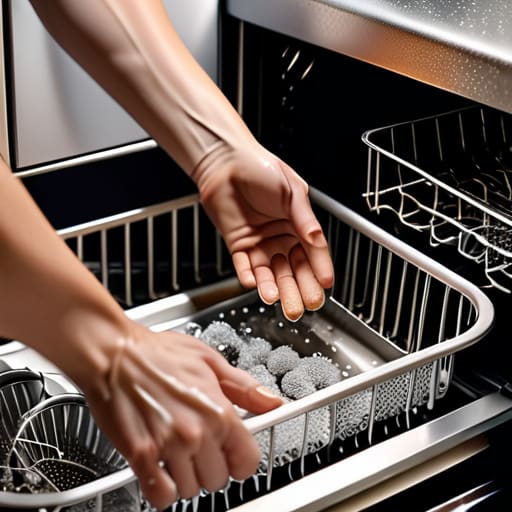
- 1. First thing’s first, you need to get the bottom of the machine clear so you can actually see what you’re doing. Reach into the bottom of the tub and remove the bottom rack entirely; it’ll be in your way, and you’ll want that extra bit of elbow room to lean in.
- 2. Once the rack is out, you’ll see the filter assembly sitting right in the middle of the floor of the dishwasher. Most of these modern machines have a little handle or a tab you can grab, so you just need to give it a gentle twist—usually anti-clockwise—and pull it straight up.
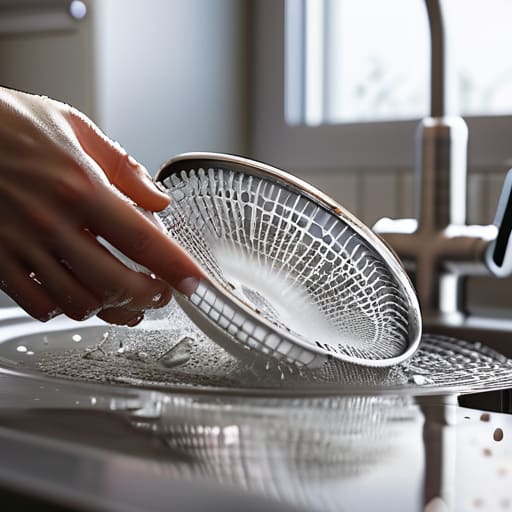
- 3. Don’t be surprised if what you find looks a bit grim; I’ve seen things in these filters that would make a plumber weep. Take that filter over to the kitchen sink and run it under warm, soapy water, using an old toothbrush if you have one handy to get the muck out of the fine mesh.
- 4. While you’re at the sink, take a good look at the housing—the hole where the filter actually sits—to make sure there isn’t a stray bit of glass or a rogue lemon seed stuck down there. If you find a blockage, use a spoon or a small brush to clear it out, but be careful not to scratch the plastic.
- 5. Check the fine mesh part of the filter very closely for any tiny tears or holes. If the mesh is compromised, the machine won’t be able to catch the debris, and you’ll end up with scratched plates or, worse, a clog further down the line that’s much harder to reach.
- 6. Once the filter is looking clean and the housing is clear, drop it back into its slot. Line it up properly and twist it clockwise until it clicks or feels firm; if you don’t seat it right, you’re going to have a very messy situation on your hands when the cycle starts.
- 7. Slide your bottom rack back into place and give the machine a quick test run if you’ve got the time. I always tell my customers that consistency is key—if you clean that filter once a month, you’ll avoid about ninety percent of the calls I get for “broken” dishwashers.
Understanding Cleaning a Dishwasher Filter
Now, I’ve seen plenty of people call me out because they think their machine has actually died, when really it’s just choking on its own dinner. Most of these “broken” units are just suffering from basic dishwasher drain issues caused by a buildup of grease and tiny bits of grit. If you notice your plates coming out feeling slightly tacky or, worse, if you’re doing some dishwasher smell troubleshooting because the kitchen reeks of old cabbage, don’t go buying a new machine just yet. It’s usually just a matter of getting in there and clearing out the muck.
When it comes to how often to clean dishwasher filter components, I tell everyone the same thing: don’t wait for a disaster. If you’re running the machine every day, I’d aim to give that mesh a scrub once a week. It only takes a minute, but it stops that sludge from settling into the pump. I’ve got a drawer at home full of filters I’ve salvaged from scrap heaps, and it’s almost always the same story—a bit of trapped debris and a layer of slime that a quick rinse under the tap would have sorted.
Key Things to Know
One thing I’ve learned over eighteen years is that people often mistake a dirty filter for a dead machine. If you’re dealing with dishwasher drain issues, don’t go calling a technician just yet. Most of the time, there’s just a rogue piece of broken glass or a stray bit of plastic wedged in there. When you’re cleaning the mesh filter, pay close attention to the fine holes; it’s not just about the big chunks of food, but the greasy film that builds up and stops the water from circulating properly.
As for how often to clean dishwasher filter, I tell my customers to aim for once a month, though if you’re running it three times a day with heavy pots, you’ll want to do it more. If you start noticing a funky odor, that’s your first sign of dishwasher smell troubleshooting—usually a buildup of old fats and bacteria hiding in the sump. Just a quick soak in warm, soapy water does wonders. It’s a small bit of maintenance, but it’ll save you from having to replace a whole unit just because it couldn’t swallow its own waste.
A Few Bits of Advice from the Workbench
- Don’t just rinse it under the tap and call it a day. If you’ve got a bit of old grease or a stubborn bit of stuck-on food, you actually need to scrub it with a soft brush and some decent dish soap to get the film off.
- Check the sump area where the filter sits. I can’t tell you how many times I’ve seen a customer complaining about a “broken” pump, only to find a piece of broken glass or a toothpick wedged right under where the filter unscrews.
- Get into the habit of checking it once a week. It takes thirty seconds, but it beats the hell out of waiting for your plates to come out feeling gritty and smelling like old dishwater.
- Watch out for the fine mesh. If you’re using a heavy-duty scouring pad or something too abrasive, you’ll tear the mesh, and then you’re looking at buying a whole new assembly instead of just a bit of cleaning.
- Keep an eye on what you’re putting in the machine. If you’re rinsing plates in the sink before they go in, make sure you’re actually getting the heavy solids off; a little bit of debris is fine, but a pile of pasta or rice is just asking for a blockage.
The Bottom Line
Most “broken” dishwashers are just neglected ones; a quick clean of the filter saves you a call-out fee and a lot of unnecessary stress.
Don’t just rinse it under the tap; you actually need to get in there with a bit of old dish soap and a brush to clear the real grease.
Make it a habit to check the filter once a month so you aren’t surprised by a puddle on your kitchen floor when you least expect it.
Don't Let a Bit of Sludge Win
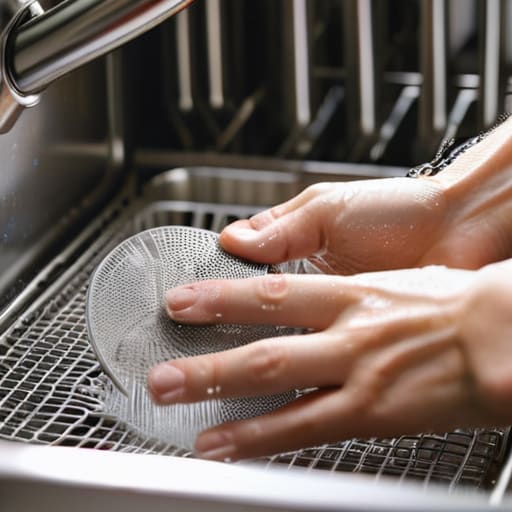
At the end of the day, cleaning your dishwasher filter isn’t some complex engineering feat; it’s just basic maintenance that most people simply neglect. You’ve learned how to pop it out, rinse away the food debris, and check those little mesh screens for any stubborn buildup. Just remember that a quick weekly rinse is far better than waiting until your plates come out looking cloudy and smelling like old dishwater. Most of the “broken” machines I’ve seen in my eighteen years on the job weren’t actually broken at all—they were just choking on a bit of trapped grime that a five-minute scrub could have solved.
It might feel like a chore, but taking ten minutes to look after your appliances is a small act of rebellion against a throwaway culture. We live in a world where people see a drainage issue and immediately start browsing for a brand-new machine online, but I promise you, the machine is usually fine. If you keep on top of these little things, your dishwasher will serve you well for years longer than it deserves. There is a certain quiet satisfaction in knowing you’ve kept something running with nothing more than a bit of patience and a clean sponge.
Frequently Asked Questions
Is it normal if the water in the bottom of the machine still looks a bit cloudy even after I've scrubbed the filter clean?
Don’t panic; it’s usually not a sign of a breakdown. If you’ve scrubbed the filter and it’s spotless, that cloudiness is likely just fine particles or a bit of leftover detergent residue still swirling around. Give it a couple of empty cycles on a hot setting to flush everything out. If it persists, you might have a bit of limescale buildup in the spray arms, but usually, it’s just a bit of lingering grit.
How often am I actually supposed to be doing this, or am I overdoing it if I do it every week?
Look, if you’re doing it every week, you’re not overdoing it—you’re just being thorough. Honestly, though, most people can get away with once a month. It really depends on what you’re washing. If you’ve got kids or a dog that sheds, you’ll be pulling that filter out much more often. I’d rather see you clean it too much than see me out at your house because a bit of grit has killed your pump.
What's to stop the filter from getting clogged again immediately if I haven't rinsed the plates properly first?
Honestly? Not much. If you’re just scraping the big chunks into the bin but leaving that thick, greasy film on your plates, you’re asking for trouble. That sludge doesn’t just disappear; it breaks down into tiny particles that find their way straight into the mesh. I’ve seen plenty of filters cleaned on Monday only to be choked with grey slime by Wednesday. Give them a proper rinse. It saves you the headache later.
