







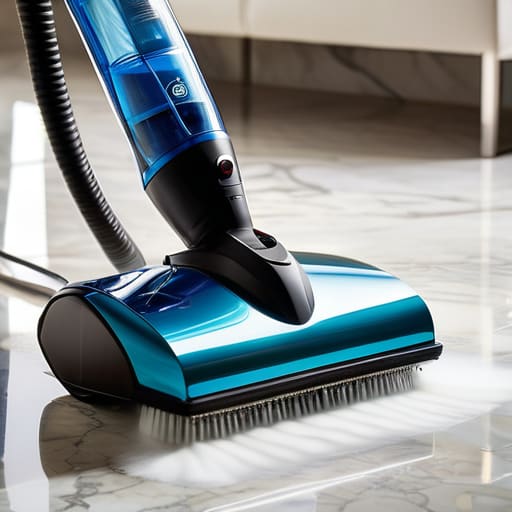

I’ve spent eighteen years pulling apart washing machines and vacuums in Bristol, and if there’s one thing I’ve learned, it’s that most people get completely distracted by the shiny marketing on the box. You’ll see these glossy reviews online talking about “revolutionary steam technology” and “ergonomic-enhanced nozzles,” but they never tell you if the heating element is going to die the moment a bit of limescale hits it. When you’re trying to figure out how to review a steam cleaner properly, you shouldn’t be looking at the fancy LED displays; you should be looking at the build quality of the seals and the accessibility of the internal components.
I’m not here to give you a sales pitch or a list of features that won’t matter after three months of use. My promise to you is a bit more practical: I’m going to show you how to look past the hype and find the machines that are actually built to last. We’ll talk about what actually matters—pressure stability, hose durability, and whether or not you can actually clean it yourself when it inevitably gets a bit clogged. No fluff, just the honest truth from someone who’s seen far too many good appliances end up in a skip.
Understanding How to Review a Steam Cleaner
When you sit down to judge a machine, you shouldn’t just look at the shiny plastic casing or the fancy digital display. I’ve spent eighteen years pulling apart machines that looked brand new only to find they were gutted by poor design. To really get it right, you have to look past the marketing fluff and focus on the steam cleaner pressure and temperature. If the heat isn’t consistent, you aren’t actually sanitising anything; you’re just making the floor wet.
You also need to consider how the machine handles real-world grit. I always look for cleaning efficacy on different floors, because a tool that works on linoleum might be useless against the grime in grout lines. Don’t forget to check the build quality, too. I’ve seen too many “modern” units that feel like they’ll crack the moment you apply any real pressure. A good review isn’t about whether the machine looks pretty on a kitchen counter; it’s about whether it’s actually going to survive a year of heavy use without a hose popping off or a seal failing.
Key Things to Know
When you’re looking at a new machine, don’t get distracted by the shiny plastic or the fancy marketing brochures. I’ve spent eighteen years pulling apart things people thought were “dead,” and usually, it’s just a bit of limescale or a loose connection. The first thing you need to get right is the steam cleaner pressure and temperature. If it can’t get hot enough or hold a steady blast, you aren’t cleaning; you’re just making the floor damp. A lukewarm mist won’t touch a grease stain on a kitchen tile, and I’ve seen too many cheap units give up the ghost because they couldn’t handle the thermal stress.
You also need to look at the actual guts of the thing—what I call the steam cleaner durability and build quality. I check the seals and the hose connections first. If the plastic feels thin or the tank clips look like they’ll snap if you sneeze on them, walk away. You want something that feels substantial in your hand. I also keep a close eye on the steam cleaner nozzle attachments; if they’re flimsy, you won’t be able to get into the corners or the grout lines where the real dirt hides.
Practical Tips and Steps
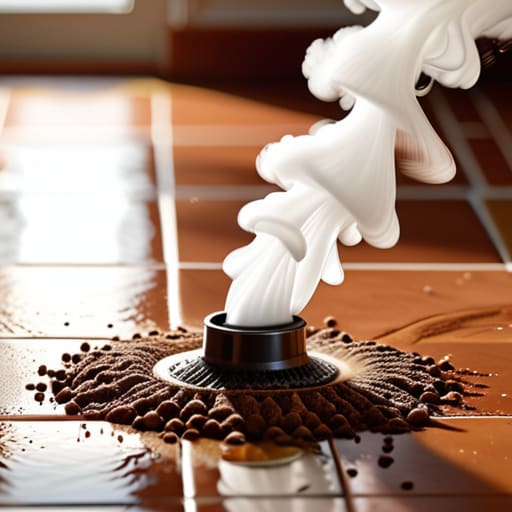
When you’re actually testing a unit, don’t just glide it over a clean floor and call it a day. You need to see how it handles real-world grit. I always suggest testing the cleaning efficacy on different floors, starting with something easy like tile and moving onto more stubborn surfaces. If you can, grab a bit of dried-on mud or some spilled syrup to see if the machine actually lifts the mess or just moves it around. It’s easy to get fooled by a shiny finish, but you want to see what happens when the work gets heavy.
Keep a close eye on the steam cleaner pressure and temperature as you go. A machine might start strong, but you need to know if the heat holds steady or if it starts sputtering halfway through the job. While you’re at it, check the nozzle attachments; they shouldn’t feel like flimsy bits of cheap plastic that’ll snap the first time you apply any pressure. If the attachments feel solid and the steam stays consistent, you’re likely looking at something that won’t end up in my scrap heap by next Christmas.
Common Mistakes to Avoid
The biggest blunder I see people make is falling for the glossy marketing photos and ignoring the actual steam cleaner durability and build quality. You’ll see a machine that looks sleek on a showroom floor, but if the plastic casing feels thin and the hose is prone to kinking, it’s going to end up in my scrap heap within six months. Don’t just look at the shine; feel the weight of the components and check how the parts actually fit together.
Another mistake is obsessing over one single feature while ignoring the bigger picture. Someone might get caught up in the variety of steam cleaner nozzle attachments provided in the box, but if the steam cleaner tank capacity is tiny, you’ll spend more time waiting for it to refill than actually cleaning your floors. It doesn’t matter how many fancy brushes you have if the machine runs out of steam before you’ve even finished the hallway. Always look for a balance between the bits and bobs and the actual stamina of the unit.
Final Thoughts
At the end of the day, don’t let a shiny brochure do the thinking for you. I’ve spent nearly two decades pulling apart machines that looked brand new on the outside but were essentially paperweights because of poor construction. When you’re looking at a new unit, pay close attention to the steam cleaner durability and build quality. If the plastic feels thin or the connections look flimsy, it’s probably going to end up in my scrap heap within a year. A machine is only as good as the parts that hold it together.
Don’t get too caught up in the bells and whistles either. You don’t need twenty different brushes if you’re only cleaning tiles and laminate. Instead, focus on whether the steam cleaner pressure and temperature actually meet your specific needs. I’d much rather have a machine that holds its heat and pressure consistently than one that comes with a mountain of useless attachments. Buy something that’s built to be maintained, not just replaced, and you’ll save yourself a lot of grief—and a lot of money.
Five things I look for before I even plug the thing in
- Check the hose connection first. If it’s a cheap plastic screw-on that feels like it’ll snap if you look at it wrong, walk away. I’ve spent far too many afternoons trying to patch up perished rubber because a manufacturer wanted to save fifty pence on a connector.
- Look at the water tank design. If it’s a nightmare to refill or, worse, if you have to take the whole machine apart just to descale it, you’re going to end up abandoning it in a shed within six months. A good machine should be easy to empty and even easier to clean.
- Don’t just listen to the “steam power” claims in the glossy brochure. Look at the build quality of the nozzle and the attachments. If the plastic looks thin and brittle, that steam pressure is going to blow a seal or crack a housing within a year of regular use.
- See if the parts are actually replaceable. I keep a drawer full of filters and seals from machines that were tossed just because a single bit of silicone perished. A decent machine is one where you can actually buy a replacement part without needing a degree in engineering.
- Test the weight and the balance. It sounds simple, but if a handheld unit is top-heavy or a floor unit is a clunky beast that won’t glide, nobody’s going to use it. A tool that’s a chore to hold is a tool that’s going to end up broken from being dropped.
The Bottom Line
Don’t get blinded by the shiny plastic; look at how easy it is to get inside and clean the parts that actually matter, like the nozzles and the tank.
A machine that’s hard to maintain is a machine that’s destined for the scrap heap, so check if you can actually reach the filters without a degree in engineering.
Focus on build quality over fancy gadgets—I’d much rather have a sturdy, simple steam cleaner than one with a digital screen that’ll stop working the minute it gets a bit of damp.
Wrapping It All Up
At the end of the day, reviewing a steam cleaner isn’t about reading a glossy brochure or getting swept up in fancy marketing jargon. It’s about looking past the shiny plastic and checking the actual bones of the machine. You need to know if the heating element is built to last, if the seals are easy to reach when they inevitably perish, and whether the hose is going to crack after three months of heavy use. If you focus on the build quality, the ease of descaling, and how much sense the attachments actually make, you’ll avoid buying a glorified paperweight. Remember, a good review looks for the parts that matter—the ones that keep the machine running long after the initial excitement has worn off.
I’ve spent eighteen years pulling apart machines that people thought were dead, only to find a bit of limescale or a loose connection. Most of the time, a machine isn’t “broken,” it’s just neglected. When you’re out there reviewing or buying, try to look for something that is built to be maintained. There is a quiet sort of satisfaction in owning a tool that you can actually fix yourself with a screwdriver and a bit of patience. Don’t just buy for the clean floor; buy for the long haul, and you’ll find you need a new one a whole lot less often.
Frequently Asked Questions
If a steam cleaner uses a lot of distilled water, does that mean it's actually working well or just wasting it?
It’s a bit of both, really. If you’re seeing a steady stream of steam, it means the heating element is doing its job and the pump isn’t choking. But if you’re refilling it every five minutes just to clean a single rug, you’ve got a leak or a faulty valve. A good machine should hold its pressure. If it’s gulping water without producing heat, it’s not working; it’s just making a mess.
How can I tell if the heating element is cheap rubbish before I've even plugged it in?
You can’t see the electrical guts through the plastic, but you can feel the quality. Pick it up. If it feels like a hollow toy, that heating element is likely a thin, flimsy coil that’ll scale up and die in six months. Look at the connections and the weight of the boiler. If the unit feels light as a feather, they’ve skimped on the metal. Cheap elements are the first things to go when hard water hits.
Are there certain brands that are just easier to take apart when they eventually get blocked up?
Look, I’ve spent eighteen years pulling apart everything from Kärcher to cheap supermarket brands, and there’s a massive difference. Some brands treat their machines like a puzzle you aren’t supposed to solve—lots of proprietary screws and glued-on plastic that snaps the moment you apply pressure. If you want something that won’t end up in a landfill because of a bit of limescale, look for brands that use standard fasteners and accessible service panels.
