







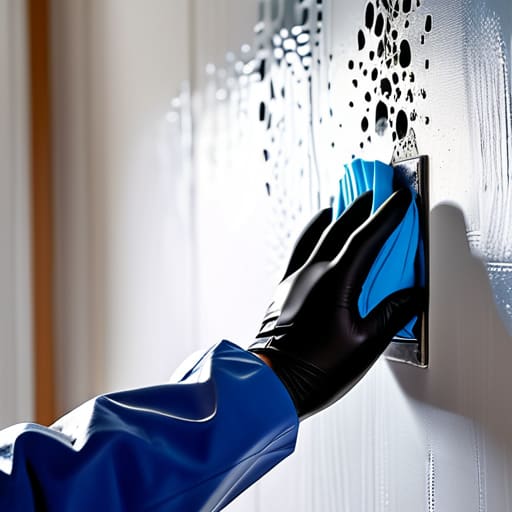

I was elbow-deep in a Bosch front-loader last Tuesday when the smell hit me—that thick, damp stench of rot that tells you something is very wrong. Most people think they need to bin the whole machine when they see black spots on the door seal, but they’re wrong. They’re usually just dealing with a buildup of gunk that’s been ignored for too long. I’ve spent eighteen years seeing perfectly good appliances sent to the scrap heap simply because people didn’t understand mould and how to remove it safely. It’s not about buying expensive, fancy chemicals that sting your eyes; it’s about getting into the corners where the real nastiness hides.
In this guide, I’m going to skip the sales pitch and give you the straight truth on keeping your machines clean. I’ll show you exactly which parts of your washer or dishwasher are breeding grounds for spores and how to scrub them back to life without breaking your bank. We’ll cover the practical tools you actually need and the simple habits that stop the rot from coming back in the first place. No fluff, just the no-nonsense methods I use every single day.
Guide Overview
Tools & Supplies
- Rubber gloves for skin protection
- N95 mask to prevent inhaling spores
- Scrub brush or old toothbrush for agitation
- Spray bottle for applying solution
- White vinegar or commercial mould remover (500ml)
- Baking soda (approx. 1 cup)
- Microfibre cloths or paper towels (1 pack)
Step-by-Step Instructions
- 1. First thing you need to do is get your hands on a proper pair of rubber gloves and maybe some old safety glasses. I’ve seen enough people try to wipe away black sludge with their bare hands only to regret it when they start scratching their skin or breathing in spores. You aren’t performing surgery here, but you also don’t want to be inviting the mould into your own lungs.
- 2. Open the door and pull out that little plastic flap at the bottom front of the machine—that’s where the filter lives. Most people forget this exists until the machine won’t drain, but it’s usually the main breeding ground for that nasty smell. Unscrew it slowly, because be warned, a fair bit of stagnant, grey water is going to spill out onto your floor. Have a shallow tray or an old towel ready.
- 3. Once you’ve got the filter out, take it to the sink and give it a proper scrub. Don’t just rinse it; use an old toothbrush to get into the little grooves where the slime tends to hide. If it’s particularly bad, soak it in a bowl of warm water and a bit of white vinegar. I always keep a few of these in my scrap pile because people constantly forget to clean them, and it’s usually the simplest fix for a machine that seems “broken.
- 4. Now, look inside the rubber door seal—the gasket. This is where the real trouble lives. I’ve pulled apart enough machines to know that if you don’t peel back those folds and wipe them out, you’re just moving the dirt around. Use a cloth soaked in a mild bleach solution or a strong vinegar mix to wipe the entire circumference of the seal. You’ll likely find hidden clumps of hair and lint trapped in there, so don’t be shy about getting stuck in.
- 5. Next, you need to deal with the drum itself. Don’t go throwing a load of clothes in with a massive amount of bleach; that’s a waste of good laundry detergent. Instead, pour a cup of white vinegar directly into the detergent drawer and run a hot cycle—we’re talking 60 or 90 degrees if your machine allows it. This helps kill the spores that have managed to cling to the metal and the internal pipes.
- 6. Finally, once the cycle is done, do not—I repeat, do not close the door. This is the biggest mistake I see. If you shut that door tight, you’re just trapping the moisture back inside, creating a perfect little greenhouse for the mould to come right back. Leave the door cracked open at least an inch to let the drum air out completely. It might look a bit odd in your kitchen, but it’ll keep your machine smelling like a machine instead of a swamp.
Understanding Mould and How to Remove It Safely
Now, I’m not a doctor, but after eighteen years of peering into the guts of damp machines, I know that ignoring those dark spots isn’t just gross—it’s a mistake. When you’re looking at black mould health risks, you have to realize that the spores don’t just sit there; they travel. If you’ve got a washing machine that smells like a wet basement, that fungus is likely living in the rubber seal or the outer tub. You can’t just mask the scent with a bit of extra fabric softener. You need to get in there and kill it, or you’re just breathing in whatever is growing in your drum.
If you’re worried about harsh chemicals, there are plenty of natural mould cleaning solutions that do the job without making your kitchen smell like a laboratory. A good white vinegar solution works wonders on most surfaces. However, the real trick isn’t just cleaning; it’s about preventing condensation and dampness from moving in again. If your machine is tucked into a dark, unventilated cupboard, you’re basically inviting the mould to stay for tea. Keep the air moving, and keep those filters clear.
Key Things to Know
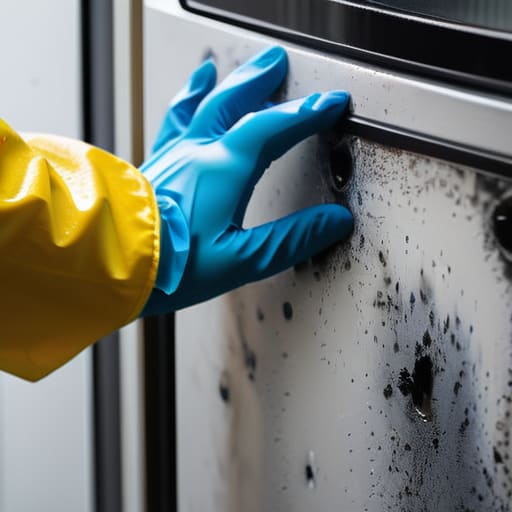
One thing I’ve noticed after nearly two decades of poking around behind drum seals and under pump housings is that people tend to treat mould like a cosmetic issue. It isn’t. If you’re seeing those dark spots creeping around your rubber door seal, you aren’t just looking at a bit of grime; you’re looking at a potential respiratory irritant. I’ve seen enough people panic about black mould health risks to know that you shouldn’t just go in there sniffing around without a bit of sense. Always wear gloves, and if you’re working in a cramped space like under a sink or behind a machine, keep the area ventilated.
You don’t always need the heavy-duty, eye-stinging chemicals to get the job done, either. I’m a big believer in natural mould cleaning solutions like white vinegar for most of the surface stuff, as long as you’re thorough. But the real trick isn’t just the scrubbing; it’s the prevention. Most of the damp I find is down to poor airflow. If you aren’t controlling indoor humidity levels by opening a window or using a dehumidifier, you’re basically just inviting the spores back for tea the moment you finish cleaning.
Five things I’ve learned from pulling out the worst of the worst
- Don’t just spray and pray. If you see black spots on a rubber seal, spraying a bit of cleaner on the surface won’t do a lick of good; you need to get in there with a proper brush and actually scrub the spores out of the folds.
- Check the door gasket, not just the drum. I’ve seen countless people cleaning their machines only to find the real rot is hiding in the little creases of the rubber seal where water sits and goes stagnant.
- If it smells like a damp basement, your filter is likely the culprit. Most people forget the filter exists until the machine stops draining, but by then, it’s usually a breeding ground for slime and mould.
- Stop using too much detergent. It sounds counterintuitive, but that excess sudsy buildup creates a film inside the outer tub that acts like food for mould—it’s basically a buffet for spores.
- Run a hot service cycle once a month. You don’t need fancy, expensive chemicals; just a high-temperature wash with a bit of white vinegar or a dedicated cleaner will keep the gunk from settling in the first place.
The Bottom Line
Most “broken” machines are just dirty ones; a bit of regular scrubbing and a clean filter will save you a hundred quid in repair bills.
Don’t let the mould sit—if you ignore that smell now, you’ll be replacing a whole rubber seal or a drum later, and that’s when it gets expensive.
Safety isn’t just about the electricity; it’s about not breathing in whatever’s growing in your detergent drawer, so keep the windows open and use the right cleaners.
Don't Let It Win

At the end of the day, getting rid of mould isn’t about some magic chemical or a fancy new gadget; it’s about being thorough. I’ve spent eighteen years pulling machines apart, and the ones that come back to me smelling like a damp basement are always the ones where someone tried to take a shortcut. You’ve got to scrub the seals, clear out the filters, and—most importantly—make sure you aren’t just wiping the surface while the rot stays tucked away in the crevices. If you don’t address the root cause, like a blocked hose or a door left shut, you’re just fighting a losing battle against a cycle that’ll keep repeating itself every single month.
It might feel like a chore, but there is a real satisfaction in taking something that’s gone foul and making it run clean again. We live in a world where it’s far too easy to just toss a machine in the skip the moment it starts acting up, but I promise you, most things are worth saving. A bit of elbow grease and a little bit of regular maintenance can keep your appliances running for years longer than the manufacturer intended. Don’t let a bit of grime convince you that something is broken when it’s really just waiting to be cleaned.
Frequently Asked Questions
If I've already cleaned the rubber seal but the smell is still there, is the mould hiding inside the drum itself?
It’s a fair question, and honestly, it’s what I see most often. If the seal is spotless but the stench lingers, the mould hasn’t just moved; it’s likely colonised the outer tub or the space behind the drum. It gets into the sludge that builds up in the folds you can’t see. You’ll need a heavy-duty service wash—hot, empty, and with a proper descaler—to flush out what’s hiding in the dark.
Do I really need to use those heavy-duty chemicals, or will a bit of white vinegar and a scrub do the job?
Look, if it’s just a bit of surface fuzz, white vinegar and a stiff brush will do the trick. It’s cheap and it works. But if you’ve opened the machine and found thick, black sludge hiding in the rubber seal or the drum rim, vinegar isn’t going to cut it. That’s deep-seated. In those cases, you need something stronger to actually kill the spores, otherwise, you’re just moving the mess around.
How often should I actually be checking the filter if I'm already running regular cleaning cycles?
Look, those self-cleaning cycles are fine for a bit of maintenance, but they aren’t a magic wand. They won’t clear out a stray sock, a handful of coins, or a thick clump of hair and lint. I’d say check that filter once a month, minimum. If you’ve got kids or pets, maybe every few weeks. If you wait until the machine starts acting up, you’re already dealing with a problem that could’ve been avoided.
