









I’ve spent eighteen years pulling motors out of washing machines and vacuum cleaners, and if there is one thing I’ve learned, it’s that people love to blame the machine when the problem is actually just a clogged path. You’ll see people online spending hundreds on fancy, high-tech air purifiers or complex ventilation systems, thinking that’s the secret to how to improve airflow in a flat. Honestly? Most of the time, you don’t need a new gadget or a contractor; you just need to stop suffocating your space with dust, heavy curtains, and poorly placed furniture that’s doing nothing but blocking the way.
I’m not here to sell you a lifestyle upgrade or some expensive piece of plastic that’ll end up in a landfill by next year. I’m going to show you how to look at your living space the way I look at a busted boiler: by finding the obstruction and clearing it. I’ll give you the straight talk on how to get the air moving again using nothing more than a bit of common sense and the tools you already have in your cupboard. No hype, no nonsense—just practical ways to make your flat breathe again.
Stop Suffocating How to Improve Airflow in a Flat Today
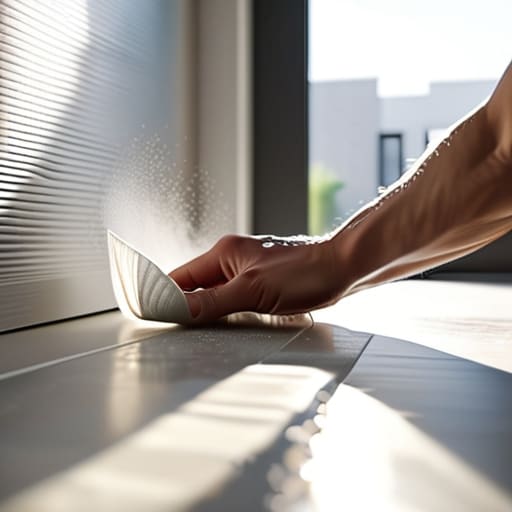
Look, I’m not an architect, but after eighteen years of pulling apart motors and clearing out clogged vents, I know a thing or two about how air moves—or fails to move. Most of the time, people think they need a massive renovation, but you’re usually just fighting against your own habits. The first thing I do is check the obvious: your windows and your vents. If you’ve got dust caked onto your extractor fans or those little trickle vents in the window frames, you’re essentially trying to breathe through a thick woolen jumper. Clearing that debris is the simplest way of improving indoor air quality without spending a penny.
If your place feels heavy and stale, it’s likely because the moisture has nowhere to go. I see it all the time with washing machines left open or drying clothes on radiators; you’re just pumping water into the air. You need to create a “push and pull” effect. Open a window on the windward side and another on the opposite side to kickstart some natural air circulation techniques. It sounds basic, but it’s the most effective way of preventing condensation in apartments before you end up with black mould creeping up the corners of your ceiling.
Mastering Natural Air Circulation Techniques Without a Heavy Toolkit

You don’t need a degree in engineering or a bag of expensive tools to get the air moving; you just need to understand how it travels. Most people think opening a window is enough, but if you’ve only got one opening, the air just sits there like a stagnant pond. The trick is to create a path. If you can open a window on one side of the flat and another on the opposite side, you’re creating a cross-breeze that actually pulls the old air out. It’s the simplest of natural air circulation techniques, yet I see people struggling with stuffy rooms every single day because they keep their internal doors shut tight.
If you’re stuck with a single window, try the “push and pull” method. Place a small desk fan facing outward in the window. It sounds counterintuitive, but it forces the stale, humid air out, which creates a vacuum that sucks fresh air in through other gaps. This is one of the most effective ways of reducing indoor humidity levels without running a noisy dehumidifier 24/7. It’s about managing the pressure, not just opening holes in the wall.
Small Space Secrets for Reducing Indoor Humidity Levels Effectively

If you’ve ever opened up a washing machine and found a thick layer of sludge behind the drum, you know exactly what happens when moisture gets trapped with nowhere to go. In a small flat, that same principle applies to your walls and windows. Most people think they have a structural problem, but they’re actually just dealing with poor managing dampness in small spaces. I’ve seen enough moldy seals to know that the culprit is usually just stagnant, heavy air.
One of the simplest things you can do is keep your doors open between rooms to stop pockets of moisture from settling. If you’re cooking or drying clothes indoors—which I know is a necessity in a tight space—you have to be aggressive about reducing indoor humidity levels. Use a small dehumidifier or even just a dedicated vent if you have one. It’s not about fancy gadgets; it’s about making sure the dampness has an exit strategy. If you don’t give the moisture a way out, it’ll find a way into your plasterwork instead.
Preventing Condensation in Apartments Before the Damage Begins
I’ve spent eighteen years pulling damp, mouldy bits out of washing machine seals and vacuum hoses, so I know exactly what happens when moisture has nowhere to go. In a flat, that moisture doesn’t just vanish; it clings to your coldest surfaces. If you see beads of water on your window frames every morning, you aren’t looking at a structural failure—you’re looking at a lack of movement. Preventing condensation in apartments isn’t about fancy expensive gadgets; it’s about making sure the air isn’t sitting still.
One of the biggest mistakes I see is people sealing themselves in too tight. We want to keep the heat in, but we end up trapping the dampness instead. You need to create a constant, gentle exchange. Even if it’s just cracking a window for ten minutes while the kettle boils, you’re managing dampness in small spaces far more effectively than any dehumidifier could on its own. Think of it like a machine’s filter: if it’s clogged with stagnant air, the whole system fails. Keep the air moving, and you’ll save yourself a lot of scrubbing later.
Smart Apartment Ventilation Solutions for Improving Indoor Air Quality
If you aren’t looking to rip out the drywall, you need to start looking at the machines you already own. Most people treat their air purifiers or small fans like furniture—set it and forget it. That’s a mistake. I’ve spent half my life pulling lint and dust out of machine intakes, and I’m telling you, a clogged filter is just a fancy way of making a machine work harder to achieve nothing. If you want to focus on improving indoor air quality, you have to actually maintain the tools you’re using. A dusty HEPA filter is just a paperweight that’s sucking up electricity.
When it comes to apartment ventilation solutions, don’t overlook the mechanical stuff. If you have a window unit or a portable extractor, check the vents. People often ignore the buildup of grime in the housing, which eventually restricts the very air you’re trying to move. It’s rarely a broken motor; it’s usually just a blockage. Keep those filters clean, keep the paths clear, and you’ll find you don’t need to spend a fortune on fancy new tech to breathe a bit easier.
Five quick fixes that don't involve a contractor
- Stop treating your extractor fans like they’re invisible. I’ve seen more kitchen fans fail because they were caked in a layer of grease thicker than a Sunday roast than because the motor actually died. Pop the cover off, give it a wipe, and make sure the vent outside isn’t blocked by a bird’s nest or a pile of leaves.
- Check your radiator fins. If you’ve got dust bunnies nesting between the metal slats, you’re basically putting a blanket over your heat source. The air can’t circulate if it can’t move past the metal, so get a brush in there and clear the path.
- Don’t let your furniture act like a dam. I see people put massive, heavy bookshelves right up against the wall or directly in front of a vent. You’re essentially strangling the airflow. Leave a few inches of breathing room so the air can actually travel around the room instead of just hitting a wall and dying.
- Clean your vacuum cleaner’s filter. It sounds silly, but if you’re using a vacuum that’s struggling to breathe, you’re just kicking dust back into the air rather than sucking it up. A clogged filter means poor suction and more stagnant, dusty air in your living space.
- Keep the “pathway” clear between windows and doors. If you’re trying to get a cross-breeze, don’t block the line of sight between the open window and the door with a heavy curtain or a tall plant. Air needs a clear lane to run through, otherwise, it’s just going to swirl around in one corner and leave the rest of the flat feeling heavy.
The bottom line
Most “broken” airflow isn’t a building flaw; it’s just a blocked path, so check your vents and filters before you go buying expensive new gear.
Don’t wait for the damp to show up on the walls—manage your humidity daily by clearing the air and managing moisture as it happens.
You don’t need a toolkit to make a difference; simple, consistent habits like opening windows at the right time beat a fancy gadget every single time.
Getting the Air Moving for Good
At the end of the day, improving the air in your flat isn’t about some grand architectural overhaul or buying every expensive gadget on the market. It’s really just about removing the obstacles. Whether you’re clearing out a clogged vent, managing your humidity levels, or simply learning how to play with your window placements to catch a cross-breeze, you’re essentially just helping the air do its job. I’ve seen far too many people call a technician for a “broken” system when, in reality, they just had a layer of dust choking the intake or a damp room that needed a bit of breathing room. Don’t let a simple blockage dictate how you feel in your own home.
If there is one thing eighteen years of pulling apart motors and cleaning filters has taught me, it’s that most things aren’t actually broken; they’re just neglected. Your flat is no different. It’s a living, breathing space, and it needs a little bit of regular maintenance to keep it feeling fresh. You don’t need a degree in engineering to make a difference; you just need to stop fighting the physics of your space and start working with it. Take ten minutes this weekend to check a filter or crack a window, and I promise you, the difference in how you feel will be worth every second.
Frequently Asked Questions
If I’ve already cleaned my extractor fan and the air still feels heavy, is it a motor issue or just a blocked duct somewhere in the walls?
If the blades are spinning clean but the air’s still thick, you’re likely fighting a blockage further down the line. I’ve seen it a hundred times: the fan is working fine, but it’s trying to push air through a duct choked with lint or grease. It’s like trying to breathe through a pinched straw. Before you go buying a new motor, check the ducting for kinks or buildup. Usually, it’s just a blocked path.
Can I actually improve the airflow in a small flat without running my electric heater or AC all day and blowing my budget?
You don’t need to run the AC like a furnace to get moving air. Most people think they need more power, but they actually just need less resistance. It’s like a vacuum with a clogged hose—it works twice as hard for half the result. Open your windows on opposite sides of the flat to create a cross-breeze, and keep your furniture from blocking the path. It’s about physics, not your electricity bill.
I’ve noticed my windows are constantly fogging up even when I leave them cracked; am I doing something wrong with the ventilation?
You’re not necessarily doing anything wrong, but you might be fighting a losing battle against physics. If your windows are fogging while they’re cracked, you’ve got too much moisture trapped inside for the air to actually move. It’s like trying to dry a soaked towel in a closed cupboard. Check your extractor fans—if they’re caked in grease or dust, they aren’t pulling anything out. You need active extraction, not just a tiny gap in the glass.
