








I’ve spent eighteen years pulling apart everything from heavy-duty washers to temperamental vacuums, and if there’s one thing I’ve learned, it’s that people love to overcomplicate things that are actually quite simple. You’ll see all these fancy websites talking about “advanced moisture extraction algorithms” and “smart-sensor integration,” but when it comes to testing a dehumidifier, most of that is just expensive marketing fluff. I once spent an afternoon in a damp basement in Clifton, surrounded by three different “top-rated” units that couldn’t pull a single pint of water out of the air because their sensors were rubbish. You don’t need a degree in atmospheric science to see if a machine is doing its job; you just need to know what to look for when the humidity is actually biting.
I’m not here to sell you on a shiny new model or some high-tech gadget that’ll break the moment a bit of dust hits the filter. Instead, I’m going to show you how to put these machines through a proper, real-world trial using nothing more than your own eyes and a bit of common sense. I’ll tell you exactly how to check the compressor, how to spot a cheap plastic casing that won’t last a season, and how to ensure you aren’t just paying for a glorified, noisy fan.
Ive Opened a Thousand Machines Here Is Testing a Dehumidifier
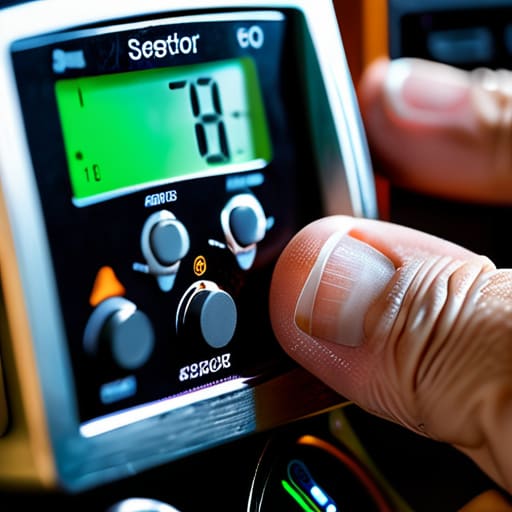
When I pull a unit apart, I’m not looking at the shiny plastic casing or the marketing stickers; I’m looking at the guts. Most people think a machine is “working” just because the fan spins, but I want to see if it’s actually doing the heavy lifting. When I’m checking a unit, I don’t just trust the little digital readout on the front panel. Those built-in displays are notorious for lying to you. To get a real sense of what’s happening, I rely on hygrometer calibration for testing using my own handheld tools. If the machine says the room is at 45% but my sensor says 55%, I know that internal sensor is rubbish.
It’s the same story with the actual performance. You can read all the brochures you want about the water extraction rate per day, but until you’ve sat in a damp room watching the bucket fill up in real-time, you don’t know the truth. I’ve seen plenty of “efficient” models that end up being nothing more than expensive, noisy fans because the coils aren’t sized right for the compressor.
Measuring Ambient Moisture Levels Reveals the Truth Beneath the Casing
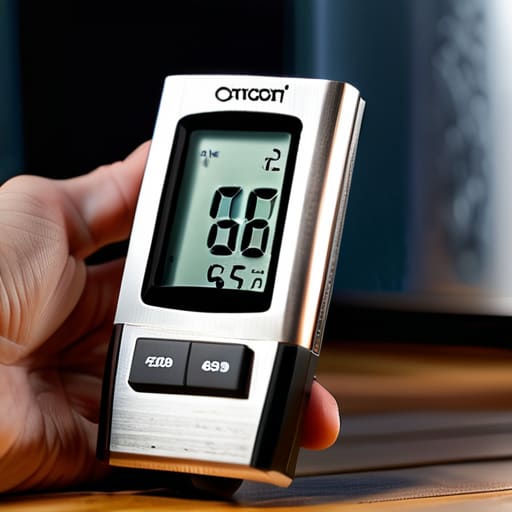
You can’t just trust the little digital readout on the front of the machine; those things are often about as reliable as a cheap plastic washer. If you want the real story, you need to be measuring ambient moisture levels with a proper tool. I always keep a handheld hygrometer in my kit, and I make sure I’ve done a bit of hygrometer calibration for testing before I even plug a unit in. If the machine says the room is at 45% but my calibrated sensor says it’s actually 55%, I know right away that the internal sensor is lying to me.
Once I’ve established a baseline, I watch how the machine actually behaves over a few hours. It’s not just about how much water ends up in the tank, but how much it pulls from the air relative to the energy it’s sucking from the wall. I’ve seen plenty of units claim a massive water extraction rate per day, only to find they’re just churning air around without actually lowering the dew point effectively. You have to look past the marketing fluff and see if the machine can actually hold its ground when the air gets heavy.
Water Extraction Rate Per Day Separating Promise From Reality
Manufacturers love to slap a big, shiny number on the box, claiming a massive water extraction rate per day, but those figures are usually measured in a lab under perfect conditions. In a real Bristol terrace with damp rising through the floorboards, those numbers rarely hold up. I’ve spent enough time with a bucket and a stopwatch to know that a machine might boast about pulling liters from the air, but if the compressor is struggling or the coils are poorly designed, it’s all just marketing fluff.
To get the real story, you have to stop looking at the labels and start looking at the collection tank. I set up a controlled run in a small, sealed room to see if the machine actually delivers what it promises. It’s not just about how much water it grabs, though; it’s about how much electricity it burns to do it. A machine might be a beast at pulling moisture, but if the dehumidifier energy efficiency rating is rubbish, you’ll be paying more in standing charges than you’ll ever save on damp repairs. You need a workhorse, not a power-hungry vanity project.
Why Hygrometer Calibration for Testing Is My Non Negotiable Rule
If you’re relying on the little digital display built into the machine to tell you how much moisture is in the air, you’re essentially asking for a lie. I’ve seen it a hundred times: a customer calls me out because their unit “isn’t working,” only for me to find the internal sensor is reading wildly different from the actual room conditions. Without proper hygrometer calibration for testing, you aren’t actually measuring anything; you’re just watching a programmed guess.
I don’t trust a single sensor unless I’ve checked it against a calibrated reference tool first. If your baseline is off by even five percent, your entire calculation for the water extraction rate per day becomes useless. You might think the machine is struggling, but in reality, your measuring tool is just drifting. To get the truth, you need to be certain that your relative humidity sensor accuracy is spot on before you even plug the unit in. It’s the only way to know if the machine is actually doing the work or if you’re just chasing ghosts in the data.
Decoding Energy Efficiency Rating and Deceptive Decibel Levels
Don’t let those shiny stickers on the front fool you. I’ve seen plenty of machines with a top-tier dehumidifier energy efficiency rating that end up costing you more in the long run because they simply can’t keep up with the load. A machine that claims to be efficient but struggles to maintain the target moisture level is just a very expensive way to move air around. You have to look at how much work the compressor is actually doing to achieve that water extraction rate per day; if it’s running non-stop just to keep a damp room stable, that energy rating is nothing but marketing fluff.
Then there’s the noise. Manufacturers love to quote dehumidifier decibel levels in a laboratory setting, but they rarely mention how that pitch changes when the unit is actually under strain. A low hum is fine, but a rhythmic, metallic rattling usually means a fan blade is off-balance or a motor is struggling. I always listen for that consistent, steady drone—anything else tells me the internal components are going to fail long before they should.
Five things I look for before I let a machine into my workshop
- Check the drain hose connection before you even plug it in. Most people blame a faulty pump when, in reality, the threading is rubbish or the hose is just a fraction too thin to hold a seal. If it can’t move water out without leaking, it’s just a very expensive, noisy bucket.
- Don’t trust the built-in humidity sensor. They’re almost always optimistic to make the machine look better than it is. If you want to know if the unit is actually doing its job, you need to cross-reference it with a proper hygrometer; otherwise, you’re just guessing.
- Listen to the compressor, not the fan. A fan can be loud and still be working fine, but if that compressor has a rhythmic knocking or a high-pitched whine, it’s a ticking time bomb. I’ve seen too many “brand new” units die within six months because the internal mounting was shoddy.
- Feel the air coming out of the exhaust. If you’re running a compressor model and the air isn’t noticeably warmer than the room, it isn’t pulling moisture out of the air—it’s just spinning its wheels. It’s a simple way to spot a weak unit without needing a degree in engineering.
- Inspect the filter access. If the manufacturer has made it a nightmare to get to the mesh, they’ve designed it to fail. A machine that’s impossible to clean is a machine that’s going to choke on dust and burn out its motor within a couple of seasons.
The Bottom Line on Testing Dehumidifiers
Don’t trust the box; trust the hygrometer, because a machine that claims to dry a room while the sensor says it’s still damp is just a loud, expensive fan.
Look past the energy rating and check the build quality, because I’ve seen too many “efficient” units fall apart the moment a bit of scale builds up in the coil.
Real performance is measured in litres, not promises, so run the test long enough to see if the extraction rate actually holds up when the air gets heavy.
Don't Let the Box Fool You
At the end of the day, testing a dehumidifier isn’t about reading the glossy brochure or believing the fancy energy rating on the sticker. It’s about looking past the plastic casing to see if the machine actually does the heavy lifting. We’ve looked at the real water extraction rates, the truth about those decibel levels, and why you can’t trust a single reading without a properly calibrated hygrometer. If you aren’t measuring the ambient moisture levels yourself, you’re just guessing. I’ve spent eighteen years pulling apart machines that were tossed out for no reason, and I can tell you that a machine is only as good as its ability to perform under pressure, not how much it costs at the shop.
My advice is simple: stop buying into the hype and start looking for the build quality. A machine that’s easy to clean and has accessible filters is a machine that will actually stay in your home instead of ending up in a landfill because of a minor blockage. We live in a throwaway culture, but we don’t have to. If you take the time to test properly and maintain what you own, you’ll find that good engineering lasts a lifetime. Don’t just settle for a box that promises to dry your air; find the one that’s built to actually do the job.
Frequently Asked Questions
How can I tell if my dehumidifier is actually working if the room still feels damp?
If the room still feels muggy, first check the bucket. If it’s bone dry despite the machine running, you’ve likely got a blocked condenser or a faulty sensor. If the bucket is filling but the air stays heavy, your machine is probably just undersized for the space. Don’t just trust the “dry” light on the panel; grab a cheap hygrometer. If that reading isn’t dropping, the machine isn’t doing its job.
Is it worth paying more for a model with a larger tank, or am I just paying for more plastic?
Look, I’ve spent half my life pulling filters out of machines that people thought were dead. Most of the time, it’s just a bit of sludge. With dehumidifiers, it’s the same logic. A bigger tank isn’t just more plastic; it’s about how often you’re willing to play servant to the machine. If you’re in a damp basement, a small tank means you’ll be emptying it every four hours. Pay for the capacity if you want it to actually do its job while you’re sleeping.
What are the signs that a machine's compressor is about to give up the ghost?
You’ll hear it before you feel it. If that steady hum turns into a rhythmic clicking or a heavy, labored thumping, the compressor is struggling. It’s like an old car engine gasping for air. You might also notice the machine running constantly without actually pulling moisture from the air—it’s working harder but achieving nothing. If it’s getting hot to the touch or smelling slightly scorched, it’s not just tired; it’s on its last legs.
