








Don’t let those glossy parenting magazines fool you into thinking you need to spend a small fortune on designer plastic covers and fancy gadgetry just to learn how to childproof a kitchen. I’ve spent eighteen years elbow-deep in the guts of washing machines and dishwashers, and if there’s one thing I’ve learned, it’s that most “safety” products are just expensive ways to hide a fundamental lack of common sense. You don’t need a high-tech sensor to tell you that a toddler with a curious grip is going to find a way into the bottom drawer; you just need to understand how these machines and cabinets are actually built.
I’m not here to sell you on some overpriced lifestyle brand. Instead, I’m going to give you the straight-talking truth based on what I see when I’m out on service calls in Bristol. I’ll show you which latches actually hold up to a determined climber and which ones are just for show, and I’ll explain how to secure your heavy appliances so they don’t become a hazard. This is about practical, no-nonsense protection that works in a real, messy, lived-in home.
Understanding How to Childproof a Kitchen
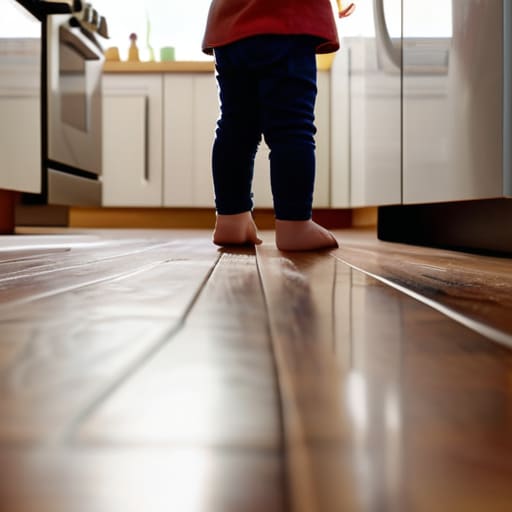
Before you go out and buy every plastic gadget on the market, you need to do a proper kitchen hazard assessment for parents. I’ve spent eighteen years looking at the insides of machines, and I can tell you that most accidents don’t happen because of some high-tech failure; they happen because a curious little hand reached into a gap that shouldn’t have been there. Get down on your hands and knees—actually get on the floor—and look at the world from their level. You’ll see things you missed while standing up, like the loose cord hanging from the kettle or the gap under the dishwasher where a finger might get pinched.
It isn’t just about what they can touch, but how you’ve organized the space. A toddler safe kitchen layout means keeping the “danger zones” out of reach, but since we can’t live in a padded cell, we have to use tools. I’m a big fan of magnetic cabinet locks for kids because they don’t ruin the look of your woodwork like those cheap plastic latches, and they actually stay put when a toddler starts using their weight to tug on a handle. You’re looking for the weak points in your setup before they become a problem.
Key Things to Know
When I’m looking at a kitchen, I don’t see a place for making tea; I see a collection of moving parts, heat sources, and heavy objects that don’t know how small a person is. My first step is always a proper kitchen hazard assessment for parents. You have to get down on your hands and knees—I mean it—to see the world from their level. You’ll notice things you’d never see standing up, like a loose wire behind the fridge or a drawer that doesn’t quite sit flush.
One thing I’ve learned from years of pulling apart machines is that stability matters just as much as locks. You should be securing heavy appliances like your washing machine or dishwasher to the wall; a curious toddler can use a heavy door as a step ladder, and nobody wants a machine tipping over. While you’re at it, don’t just rely on the flimsy plastic latches that snap off after a week. I’ve seen enough broken parts to know that magnetic cabinet locks for kids are much more reliable if you want to keep little fingers away from the cleaning supplies tucked in the lower cupboards.
Practical Tips and Steps
First things first, you need to get down on your hands and knees. I’ve spent years crawling under sinks to reach a blocked drainpipe, so I know exactly what a toddler sees from floor level. Start with baby proofing cabinets and drawers, especially the ones housing the heavy cleaning chemicals or those sharp knives you thought were tucked away safely. I’m a big fan of magnetic cabinet locks for kids because they’re invisible from the outside and don’t involve those flimsy plastic latches that snap off after a week of heavy use.
Next, let’s talk about the heat. I’ve seen enough melted plastic and scorched surfaces to know that the stove is a magnet for curious hands. Getting some decent stove knob covers for safety is a non-negotiable for me. While you’re at it, take a look at your layout; a toddler safe kitchen layout means keeping the high-traffic zones clear of anything that can be pulled down. If you have a heavy dishwasher or a fridge that isn’t quite level, make sure you’re securing heavy appliances so they don’t tip if a little one decides to use the door as a ladder.
Common Mistakes to Avoid
The biggest blunder I see—and I’ve seen it in hundreds of homes across Bristol—is the assumption that a “locked” door is a permanent solution. People tend to rely on those cheap plastic latches that pop off if a toddler gets a bit of leverage. If you aren’t securing heavy appliances like the dishwasher or the fridge properly, you’re just leaving a door open for trouble. I’ve seen kids try to use the handle of a heavy washing machine as a step ladder; if that machine isn’t level and anchored, things go south very quickly.
Another mistake is focusing entirely on the low-level stuff while forgetting the heat. You can spend hours on baby proofing cabinets and drawers, but if you haven’t addressed the stovetop, you’ve missed the real danger. I’ve pulled enough burnt-out heating elements out of machines to know that a curious hand reaching for a knob is a recipe for disaster. Don’t just hide the knives; make sure you’re actually preventing kitchen burns and scalds by blocking access to the heat source itself. It’s about the whole machine, not just the handles.
Final Thoughts
At the end of the day, childproofing isn’t about turning your home into a padded cell; it’s about foresight. I’ve spent eighteen years pulling apart machines that were perfectly fine, only to find they were ruined because someone ignored a simple safety measure or a basic maintenance task. When you’re looking at a toddler safe kitchen layout, don’t just think about where the snacks are. Think about the heavy stuff. I’ve seen enough accidents to know that securing heavy appliances like the dishwasher or the fridge is just as vital as locking the spice rack.
Don’t get caught out by the small things, either. It’s easy to focus on the big hazards and completely forget about the little details, like whether your magnetic cabinet locks for kids are actually installed correctly or if they’ll pop open under a bit of real pressure. Take a moment to sit on the floor and look at the room from their level. You’ll see the gaps, the loose cords, and the sharp corners you missed while standing up. It’s a bit of extra work now, but it beats the alternative.
Five things I’ve learned from opening too many cabinets
- Get down on your hands and knees. I’ve spent eighteen years crawling under counters to reach a blocked pump, so I know what a toddler sees. If you aren’t at their eye level, you’ll miss the sharp corner of a drawer or that loose screw waiting to be turned.
- Lock the heavy stuff first. It’s not just about the cleaning chemicals; it’s about the weight. A curious kid pulling on a heavy dishwasher door or a bottom drawer can tip a whole unit if it isn’t leveled and secured properly.
- Watch the appliance dials. I’ve seen far too many ovens “broken” because a child turned the knob and stayed on a low heat for hours. If your stove doesn’t have child locks, get those knob covers on immediately.
- Check your cords. It’s not just about preventing trips; it’s about the pull. A toddler grabbing a toaster cord can bring the whole appliance crashing down on their head. Keep the leads tucked away, not just dangling.
- Mind the small parts. Every time I scrap a machine, I find bits of plastic or loose screws that shouldn’t be there. If you’re repairing something in the kitchen, keep your small components in a magnetic tray—don’t let a tiny washer end up on the floor where a little one can find it.
The Bottom Line
Don’t just look at the sharp corners; look at the mechanics. A toddler doesn’t care about a heavy pot, they care about the finger-trap gap in a dishwasher door or a drawer that slides out too easily.
Most “broken” appliances are just poorly maintained ones, and a messy kitchen is a dangerous one. Keep your filters clean and your surfaces clear so you aren’t scrambling to move things when a little one starts climbing.
Childproofing isn’t a one-and-done job. As they get stronger and more curious, you’ll need to re-examine those locks and latches—especially the ones on the heavy-duty stuff like the oven and the under-sink cupboards.
A Final Look Before You Close the Door
At the end of the day, childproofing a kitchen isn’t about turning your home into a padded cell; it’s about foresight. We’ve gone over the essentials, from securing those heavy lower cabinets to making sure the dishwasher locks actually stay engaged when a curious hand starts pulling. It’s easy to overlook the small things, like a loose cord behind the toaster or a drawer that slides open a bit too smoothly, but those are the little gaps where trouble finds a way in. If you take the time to audit your space from a toddler’s eye level—literally getting down on your hands and knees—you’ll see exactly what I see when I’m looking for a blocked hose or a loose screw. Don’t wait for a near-miss to realize that a latch was loose or a heavy appliance wasn’t properly anchored.
I’ve spent eighteen years pulling apart machines that people thought were dead, only to find they just needed a bit of attention and a bit of care. Your kitchen is much the same. You don’t need to be perfect, but you do need to be proactive. Once you’ve secured the gadgets and blocked the hazards, you can stop worrying about the “what ifs” and get back to what matters. A safe kitchen isn’t just about preventing accidents; it’s about creating a space where your family can thrive without constant anxiety. Keep your eyes open, keep your tools handy, and remember that a little bit of maintenance today prevents a much bigger headache tomorrow.
Frequently Asked Questions
If I've already installed magnetic locks on the cabinets, do I still need to worry about the heavy appliances like the dishwasher or the oven?
Absolutely. Magnetic locks are fine for the cupboards, but they won’t stop a determined toddler from pulling a heavy oven door down on their fingers or trying to climb into a dishwasher. I’ve seen enough heavy machinery to know that weight is its own kind of danger. Make sure your oven door has a latch and check that your dishwasher isn’t something they can use as a step-ladder to reach the counters.
Is it worth buying expensive childproof covers for the stove knobs, or can I just find a way to block access to the whole unit?
Look, I’ve spent eighteen years pulling knobs off stoves that have been yanked too hard. Those plastic covers are a bit of a faff and they break easily. Honestly? If you can, just block the whole unit. A sturdy gate or even a heavy-duty cabinet lock on the oven door is much more reliable. It’s better to stop them from reaching the heat entirely than to rely on a bit of flimsy plastic.
How do I make sure my childproofing doesn't actually cause a machine to fail, like if I'm blocking a vent or a filter access point?
That’s a fair question, and honestly, it’s one I wish more parents asked. I’ve seen plenty of “safety” fixes turn a perfectly good dishwasher into a paperweight. If you’re using adhesive covers or blocking gaps, just make sure you aren’t sealing off the airflow. If a vent is blocked or you can’t reach a filter without a crowbar, the machine is going to struggle. Don’t sacrifice the machine’s ability to breathe just to keep little hands out.
