







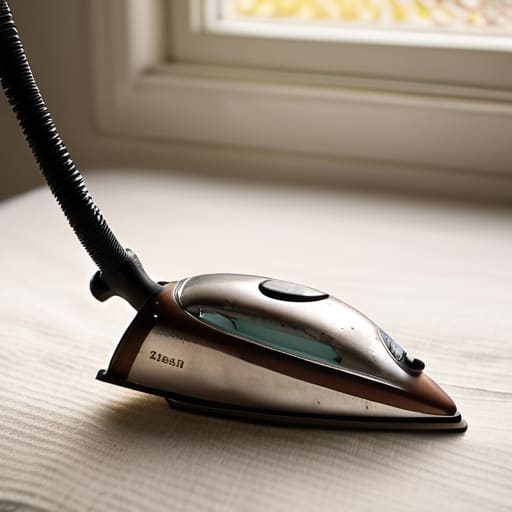

I’ve lost count of how many times I’ve seen a perfectly good steam iron tossed into a skip just because it started spitting brown, crusty water all over a clean shirt. Most people think that once the steam holes are choked up with limescale, the machine is a lost cause and it’s time to head to the shops for a new one. They couldn’t be more wrong. Learning how to clean a steam iron isn’t some high-tech science; it’s usually just about clearing out the mineral gunk that’s been building up while you weren’t looking. I’ve pulled apart enough appliances to know that a bit of vinegar and some patience can save you a trip to the retailer.
I’m not going to give you any of those fancy, expensive chemical sprays that cost more than the iron itself. Instead, I’m going to show you the straightforward, no-nonsense way to get that steam flowing smoothly again using things you likely already have in your kitchen cupboard. We’ll walk through the cleaning process step-by-step, from unblocking the soleplate to flushing out the internal reservoir, so you can stop fighting with your laundry and get back to business.
Guide Overview
Tools & Supplies
- Soft cloth or microfiber towel for wiping the soleplate
- Cotton swab for cleaning steam holes
- White vinegar (approx. 1/2 cup)
- Distilled water (approx. 1 cup)
Step-by-Step Instructions
- 1. First things first, you need to empty whatever lukewarm water is sitting in the reservoir. If you leave it in there while you’re cleaning, you’re just asking for a mess. Grab a cloth and wipe down the exterior so you aren’t handling a dripping wet iron while you’re trying to work.
- 2. If your iron is spitting out brown bits or just won’t steam properly, you’ve likely got mineral buildup. I usually suggest a mix of equal parts white vinegar and distilled water. Pour that into the tank, but don’t go filling it to the brim—you want to leave a bit of breathing room so it doesn’t overflow when things start bubbling.
- 3. Turn the iron on to the highest heat setting and let it get nice and hot. Once it’s up to temperature, hold it over a sink or an old towel and press the steam button repeatedly. You’ll see some nasty, discolored water coming out at first; that’s just the gunk leaving the system. Keep going until the water coming out looks clear.
- 4. Now, let’s talk about the soleplate. If there’s burnt fabric or something sticky stuck to the bottom, don’t go at it with a metal scouring pad—you’ll ruin the coating and then the iron is useless. Instead, while it’s still warm (but not scalding!), take a damp cloth with a tiny bit of non-abrasive cleaner and gently rub the spots away.
- 5. For the really stubborn, crusty bits, I’ve seen people use baking soda mixed with a little water to make a paste. Smear it on the plate, let it sit for a minute, and then wipe it off. It’s a bit of a chore, but it’s much better than tossing a perfectly good iron just because the bottom is scorched.
- 6. Once the plate is clean, do one final rinse. Fill the tank with plain, distilled water—never use tap water if you can help it, or you’ll be right back where you started—and run the steam cycle again. This clears out any leftover vinegar smell or baking soda residue so you don’t end up scenting your clean laundry with vinegar.
- 7. Finally, wipe the whole thing down with a dry, soft cloth and let it cool completely before you pack it away. If you’ve done it right, the steam should come out steady and the plate should glide like it’s brand new. It’s usually just a matter of clearing the pathways, not a mechanical failure.
Understanding How to Clean a Steam Iron
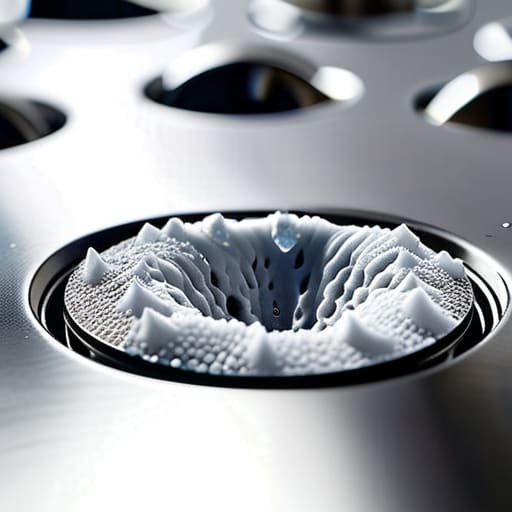
The thing about steam irons is that they’re basically tiny, high-pressure boilers sitting on your ironing board. Most people think when the steam stops coming out or the iron starts spitting water, the machine is knackered. It isn’t. Usually, it’s just a massive clog of calcium. When you’re trying to remove mineral buildup from iron, you’re essentially fighting against the hard water that’s been baked into the internal heating elements. If you ignore it, that scale turns into a hard, white crust that blocks the steam vents entirely.
I’ve seen plenty of folks panic when they end up cleaning iron soleplate burnt fabric after a mishap, but that’s often just a symptom of the machine struggling to regulate temperature because of the gunk inside. A simple vinegar and water solution for iron works wonders for a quick flush, but you have to be thorough. You aren’t just cleaning the surface; you’re clearing the pathways. If you don’t get that scale out of the tiny steam vents, you’ll find yourself fighting a losing battle with a machine that’s more temperamental than a toddler.
Key Things to Know
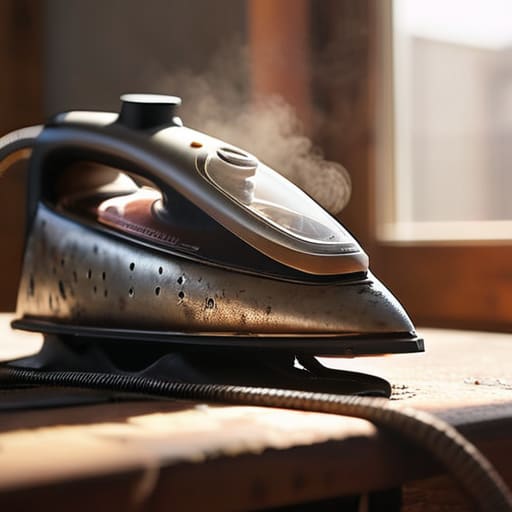
One thing I’ve seen too often in my eighteen years is people panicking because they’ve just burnt fabric on their ironing board. If you’ve managed to scorch a shirt, don’t go scrubbing it with steel wool like you’re cleaning a cast iron skillet; you’ll ruin the coating. Usually, a bit of patience and some gentle heat will do the trick. The real trouble, though, isn’t the surface—it’s what’s hiding inside.
Most of the “broken” irons that end up on my workbench are just choked with scale. If you aren’t regularly performing a descaling steam iron process, you’re basically asking for trouble. When that mineral buildup gets thick enough, it starts clogging the vents, and that’s when you get that annoying spitting of water all over your clean laundry.
If you want to stay ahead of it, I always suggest a simple vinegar and water solution for iron maintenance every few months. It’s a cheap way to remove mineral buildup from iron before it turns into a permanent blockage. It’s much easier to prevent a clog than it is to dig one out.
A Few Bits of Advice Before You Get Started
- Don’t go chasing fancy chemical sprays; most of that stuff is just overpriced water that can leave a film behind. A bit of white vinegar and some distilled water does the job just fine without the nonsense.
- If you see black flakes spitting out of the holes, stop what you’re doing immediately. That’s mineral buildup telling you the internals are choking, and if you keep pushing, you’ll ruin the heating element for good.
- Always use distilled water if you can manage it. I’ve seen too many people use hard tap water and then act surprised when their iron starts acting like it’s got a grudge against their clean shirts.
- Be careful with the soleplate. If it’s got burnt-on fabric stuck to it, don’t go at it with a metal scouring pad like you’re cleaning a cast iron skillet. You’ll scratch it, and once that surface is ruined, the iron won’t glide anymore.
- Give the steam vents a proper poke with a cotton bud once you’ve finished cleaning. It’s easy to miss a tiny bit of grit tucked in a corner, and that’s usually what causes those annoying little spitters.
The Bottom Line
Most “broken” irons are just choking on limescale; a bit of vinegar and some patience will save you from buying a new one.
Don’t wait for the steam to start spitting brown water before you act—clean it while it’s still performing decently.
Treat the water tank with respect; using distilled water might be a faff, but it beats scrubbing out mineral crust every month.
A Bit of Maintenance Goes a Long Way

At the end of the day, keeping an iron running well isn’t about magic; it’s just about being a bit proactive. Whether you’ve been using white vinegar to tackle that stubborn scale or you’ve finally cleared out the gunk from the steam vents, the goal is the same: preventing that white, crusty mess from ruining your clean shirts. If you take five minutes to clear the pathways and keep the soleplate smooth, you’re avoiding the most common reason people end up tossing a perfectly good machine into the skip. Just remember, don’t ignore the buildup—once that mineral scale gets deep into the internal reservoir, it becomes a much bigger headache than a simple weekly rinse.
I’ve spent eighteen years looking at the insides of machines, and I can tell you that most “broken” appliances are actually just neglected ones. It’s a shame to see a sturdy piece of kit get binned just because someone didn’t want to deal with a bit of descaling. Taking care of your tools doesn’t just save you a trip to the shops; it’s a bit of common sense that keeps your home running smoother. Treat your iron with a little respect, and it’ll likely outlast the next three you might be tempted to buy.
Frequently Asked Questions
What do I do if the steam holes are so clogged that even the vinegar trick isn't working?
If the vinegar isn’t doing the trick, you’ve moved past a simple clog and into scale territory. At this stage, you need to stop soaking and start poking. Get a needle or a very fine pin and gently clear each individual hole. If that fails, you might have to take the soleplate off entirely—which isn’t for the faint of heart—to scrub the internal channels. It’s a proper job, but it beats the scrap heap.
Is it actually safe to use white vinegar in my iron, or am I just going to end up corroding the internal parts?
Look, I’ve seen enough machines end up in the scrap heap to be cautious. If you use pure, undiluted vinegar, you’re asking for trouble with the seals. But if you mix it—half vinegar, half distilled water—you’ll be fine. It’s the scale that kills an iron, not a little acetic acid. Just don’t go pouring straight white vinegar into the tank and expecting miracles; you’ll just end up with a very expensive, corroded paperweight.
My iron is spitting out brown, rusty-looking water—does that mean it's time to scrap it or can I still save it?
Don’t go reaching for the bin just yet. Brown water usually just means you’ve got some nasty mineral buildup or a bit of internal corrosion from using tap water. It’s common. If the heating element still works and it isn’t leaking from the casing, it’s worth a fight. Give it a proper descale with white vinegar or a dedicated cleaner. If that doesn’t clear the pipes, then we can talk about the scrap heap.
