







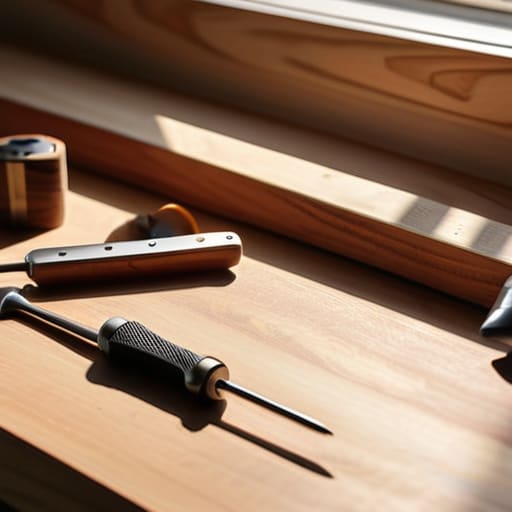

I’ve spent eighteen years pulling apart washing machines and vacuums in Bristol, and if there’s one thing I’ve learned, it’s that most people treat their belongings like they’re disposable. They see a machine that won’t drain or a cupboard door that won’t sit flush and think they need a whole new life, when really they just need a bit of leverage and the right bit of steel. When you’re living in a smaller space, you don’t have the luxury of a massive workshop, so you have to be picky about the tools worth owning for a flat. You can’t afford to clutter your cupboards with cheap, flimsy plastic sets that snap the moment you actually try to apply some real pressure to a stubborn screw.
In this list, I’m cutting through the nonsense to give you five essential items that actually earn their keep. I won’t be suggesting anything fancy or decorative; I’m talking about the rugged, reliable bits of kit that will help you fix a loose handle or clear a blocked hose without needing to call out a professional. These are the few things that will ensure your home stays running smoothly instead of falling apart over a missing five-pound part.
A proper screwdriver set
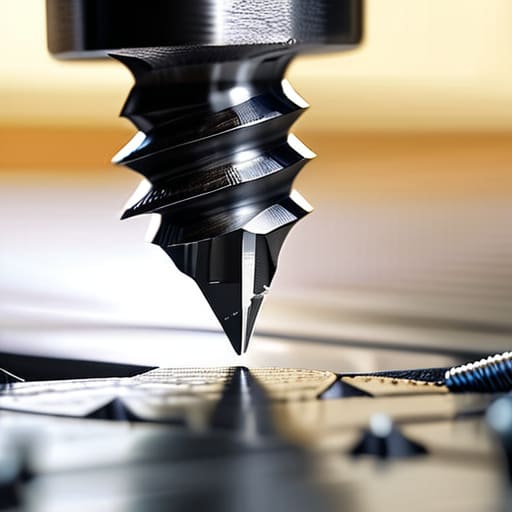
Most people living in flats think they can get away with one of those cheap, flimsy sets from a supermarket. I’ve spent eighteen years pulling out screws that have been stripped bare because someone used a tool that didn’t actually fit the head. If you use a screwdriver that’s just a fraction too small, you’re going to ruin the screw, and then you’re looking at a much bigger headache than a simple fix.
The multi-purpose pliers
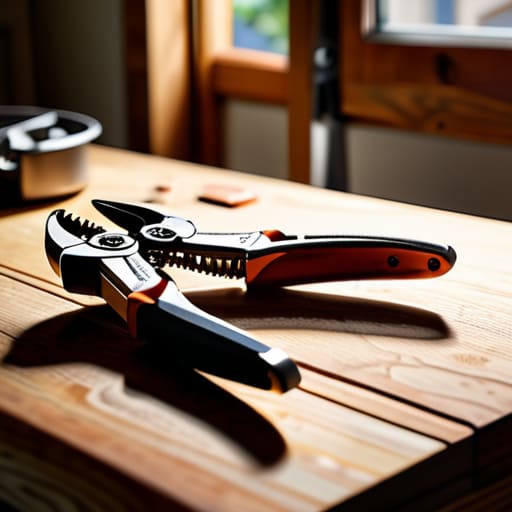
I’ve seen more “broken” appliances than I can count, and half the time, it was just a loose wire or a clip that had popped out of place. A decent pair of combination pliers is your best friend in these situations. They aren’t just for cutting wire; they’re for gripping, twisting, and pulling things that are stuck in places your fingers simply can’t reach.
A reliable voltage tester
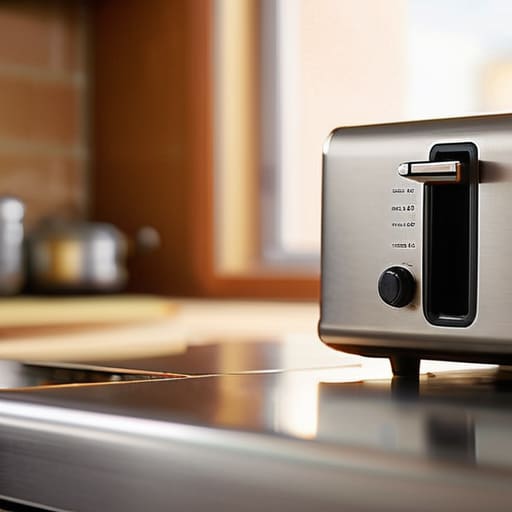
This is the one thing people forget until they’re staring at a toaster that’s stopped working and feeling a bit nervous about poking around inside. Safety isn’t something you should compromise on, especially when you’re dealing with electricity in a small, enclosed space. A simple non-contact voltage tester is a tiny bit of kit that can save you from a very nasty shock.
An adjustable spanner
In a flat, you rarely have the luxury of a full socket set, but an adjustable spanner—or a “monkey wrench” as some of the old-timers call it—is a must. It’s the ultimate space-saver because it can adapt to almost any nut or bolt you encounter. Whether it’s a leaking pipe under the sink or a loose connection on a radiator, this tool is your all-rounder.
A decent torch or headlamp
Trying to repair something inside a dark cupboard or behind a heavy appliance with nothing but the light from your phone is a recipe for disaster. I’ve lost more screws than I care to admit simply because I couldn’t see where they were falling. A proper LED headlamp is a game-changer because it leaves both your hands free to actually hold the tool and the part you’re working on.
The Bottom Line
Don’t go buying a whole workshop; in a flat, you just need a few decent tools that won’t fall apart the first time you actually use them.
Most “broken” appliances are just neglected ones, so keep your tools handy enough to clear a blocked filter before you call a professional.
Buy for repair, not just for replacement—if you can’t fix it with what’s in your drawer, it’s probably just clutter waiting to happen.
Don't Let a Little Bit of Grit Stop You
At the end of the day, you don’t need a workshop the size of a garage to keep a flat running smoothly. If you’ve got a decent set of drivers, a reliable multi-tool, and a bit of patience to clear out a clogged drain or tighten a loose handle, you’re already ahead of most. It isn’t about having every gadget under the sun; it’s about having the right few things to handle the small stuff before it turns into a big, expensive headache. Most of the time, a machine isn’t actually dead; it’s just being stubborn because someone forgot to check a filter or tighten a screw.
I’ve spent eighteen years pulling apart machines that people were ready to bin, and I can tell you that most things are fixable if you just stop and look at them properly. There’s a certain satisfaction in hearing a vacuum hum back to life or seeing a tap stop its annoying drip because you actually took the time to do something about it. Don’t be intimidated by a bit of mechanical mystery. Grab your tools, take a breath, and remember that the best way to save money is simply to stop throwing things away the moment they act up.
Frequently Asked Questions
Do I really need a full toolkit, or can I get away with just a basic screwdriver set and a pair of pliers?
Look, if you’re just tightening a loose handle, a screwdriver and pliers will do. But if you’re actually trying to fix something—like a washing machine that won’t drain because of a blocked pump—you’ll find yourself stuck pretty quickly. You’ll eventually need a decent set of hex keys or a socket driver. Don’t buy a massive, cheap kit that’ll strip your screws; just get a few quality bits. It’s better to have three good tools than twenty rubbish ones.
Is there a way to fix a leaking tap or a clogged drain without having to buy a whole expensive plumbing kit?
Look, you don’t need a heavy-duty plumbing kit for most of these headaches. If a tap is dripping, it’s usually just a perished washer or a bit of grit in the cartridge—a single adjustable spanner and a screwdriver will do you. For a clogged drain, skip the expensive chemicals that eat your pipes; just get a decent plunger and maybe a zip tie with some notches cut into it to fish out the hair.
What should I do if I find a tool is broken or stripped while I'm halfway through a repair?
Stop. Don’t just keep cranking on it; that’s how you turn a simple fix into a nightmare. If a screw head is stripping, you’ve likely used the wrong size or too much force. If it’s already gone, try a bit of valve grinding compound or a rubber band for grip. If that fails, you’ll need pliers or a screw extractor. Take a breath. Most “broken” repairs are just moments where you need a different approach.
