








Most people think they need to haul their heavy drapes to the dry cleaners or replace those dusty Venetian slats entirely the moment they look a bit grey. I’ve spent eighteen years pulling apart washing machines and vacuums in Bristol, and if there’s one thing I’ve learned, it’s that people throw things away far too early just because they’ve neglected the simple maintenance. You don’t need a specialist or a brand-new set of window dressings; you just need to understand how to clean curtains and blinds without stripping the finish or ruining the fabric. It’s usually just a matter of getting the grit out of the tracks and the dust out of the weave before it becomes a permanent part of the household.
I’m not going to give you any of those fancy, expensive chemical solutions that promise miracles but mostly just leave a sticky residue behind. Instead, I’m going to show you the practical, no-nonsense way to strip away the grime using tools you likely already have in your cupboard. We’ll go over the gentle methods for delicate fabrics and the proper way to tackle those stubborn, dusty slats so you don’t end up snapping a mechanism. It’s about working smarter, not harder, to keep your home looking decent without wasting a penny.
Guide Overview
Tools & Supplies
- Vacuum cleaner with brush attachment for dust removal
- Microfiber cloth for wiping surfaces
- Soft sponge for delicate scrubbing
- Mild dish soap or specialized fabric cleaner (1 bottle)
- Warm water (1 bucket)
- Distilled white vinegar (1 small bottle)
Step-by-Step Instructions
- 1. Start with the dust. Before you even think about getting anything wet, you need to get the loose grit off, otherwise you’re just turning the dust into muddy streaks on your fabric. Grab a vacuum cleaner with the soft brush attachment—don’t use the stiff one or you’ll pull the threads—and run it slowly from the top of the curtain down to the bottom. Do the same for the blinds, making sure you get into the slats.
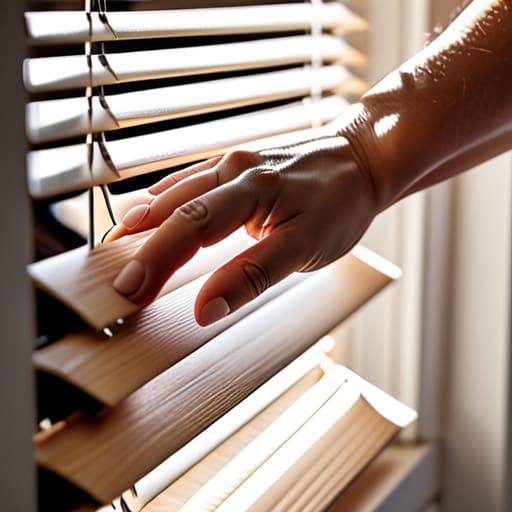
- 2. For the blinds, if they’re the plastic or wooden sort, I find it easiest to use a damp microfiber cloth. Don’t go soaking wet; you just want it barely moist. Wipe each slat individually, working your way from the top down. If you try to wipe them all at once, the dirt just falls onto the ones you’ve already cleaned, and you’ll be doing the job twice.
- 3. Now, if you’re tackling heavier curtains, check the care label first. I’ve seen too many people ruin a perfectly good set of drapes by tossing them in a hot wash when they should have been hand-cleaned. If they’re machine washable, use a gentle cycle and a bit of mild detergent. If they’re delicate, a lukewarm sink bath with a tiny bit of wool wash is your best bet.
- 4. For those stubborn spots or stains on the fabric, don’t go scrubbing like you’re trying to polish a floor. That’ll just fray the material. Instead, make a little paste of baking soda and water, dab it onto the spot, and let it sit for a bit. It’s a simple fix that works better than most of the expensive sprays people buy in the supermarket.
- 5. If you have Venetian blinds with metal slats, you can be a bit more thorough, but keep an eye on the cords. If the cords get too wet, they can swell or get stuck in the mechanism, and then you’re looking at a repair job you probably don’t want. Just wipe the slats and keep the cleaning cloth mostly dry when you’re near the strings.
- 6. Once everything is clean, the most important part is the drying. Never, ever hang curtains back up while they’re still damp. If you do, they’ll start to smell musty, and you’ll be right back where you started. Spread them out flat or hang them in a room with plenty of airflow until they are bone dry.
- 7. Finally, take a moment to check the hardware. While you’re up there, give the curtain rods or the blind mechanisms a quick wipe with a dry cloth. It’s much easier to catch a bit of grit or a loose screw now than it is when the whole thing comes crashing down in the middle of the night.
Understanding How to Clean Curtains and Blinds
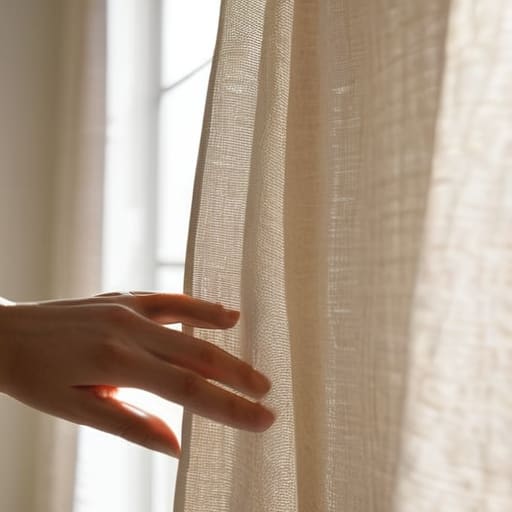
Before you go grabbing the bucket and sponge, you need to look at what you’re actually dealing with. I’ve seen plenty of people ruin a perfectly good set of drapes because they treated them like a tea towel. If you’re machine washing fabric curtains, for heaven’s sake, check the care label first. Some fabrics will shrink faster than a wool jumper in a hot wash, leaving you with nothing but expensive rags. It’s much better to spend ten minutes checking the tag than ten minutes mourning a ruined window.
For the harder stuff, like slats or wooden frames, don’t go at it with brute force. When I’m cleaning venetian blinds, I find that most people make it harder by using too much water. If you soak them, you’re just inviting streaks or, worse, warping the material. A bit of patience and a soft cloth goes much further than a heavy scrub. It’s about understanding the material—treat the delicate bits with a bit of respect, and they’ll stay looking decent for years.
Key Things to Know
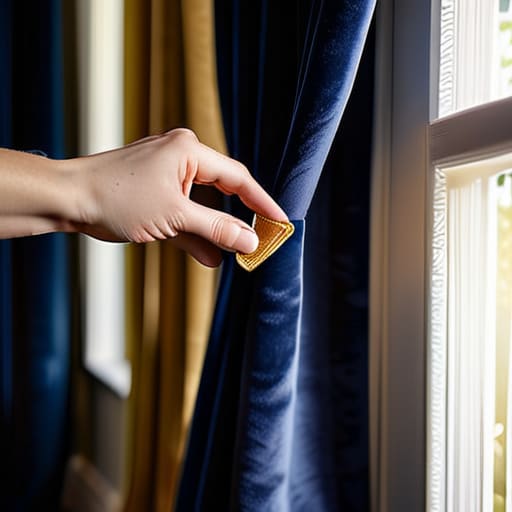
Before you even touch a sponge or a spray bottle, you need to check the labels. I’ve seen too many people ruin a perfectly good set of heavy velvet drapes by throwing them straight into a cycle, thinking they can just handle it. If you’re machine washing fabric curtains, you’d better be certain they won’t shrink into a doll’s outfit the moment they hit the water. If the tag says “dry clean only,” believe it. It’s much cheaper to pay a professional than to replace the whole window dressing because you were too impatient to read the fine print.
Another thing people overlook is the sheer amount of grit that builds up in the slats. When you’re cleaning venetian blinds, don’t just wipe over the dust; you’ll end up smearing it into a grey sludge that’s twice as hard to get off. I always suggest a quick pass with a vacuum attachment first. Vacuuming window coverings before you get them wet is the only way to ensure you aren’t just moving the dirt around. It saves you a lot of scrubbing later on.
A Few Things I’ve Learned the Hard Way
- Don’t go at it with a wet cloth first. If you’re dealing with dusty blinds, you’ll just turn that grit into mud and smear it into the slats. Get the dust off with a dry brush or a vacuum attachment before you even think about moisture.
- Check the labels, but don’t trust them blindly. I’ve seen plenty of “hand wash only” curtains that handle a gentle cycle just fine, but if you’re unsure, test a tiny, hidden corner first. It’s better to spend ten minutes testing than a hundred pounds replacing a shrunk curtain.
- Treat your blind cords like you’d treat a frayed appliance cable. If they’re tangled or filthy, don’t yank them. Clean them slowly with a damp cloth, and if they look like they’re about to snap, stop there and get them replaced. A snapped cord is a headache you don’t need.
- Watch your heat. People love using steam cleaners to get rid of stains, but if you’re too close or the setting is too high, you’ll warp the plastic or ruin the weave of the fabric. It’s like using a heat gun on a delicate circuit board—just don’t do it.
- Keep a regular schedule for the easy stuff. You shouldn’t have to strip the whole window every time. A quick once-a-week dusting keeps the heavy grime from building up, which means you won’t have to do the heavy, messy scrubbing nearly as often.
The Short Version
Don’t go in guns blazing with heavy chemicals; most of the time, a bit of patience and a soft brush will do more than a bottle of expensive spray.
Check the labels and the mechanisms before you start pulling at anything—if you force a blind that’s stuck, you’re looking at a replacement, not a cleaning job.
It’s the little things that build up, like dust in the slats or grit in the folds, that make everything look old and tired when they really just need a proper once-over.
Don't Overthink It
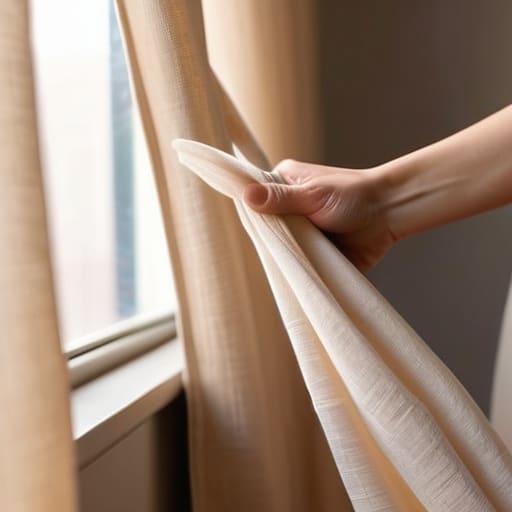
At the end of the day, cleaning your curtains and blinds isn’t about performing some grand, professional restoration; it’s just about being sensible with what you’ve got. Whether you’re vacuuming the dust out of Venetian slats or giving heavy drapes a gentle wash, the secret is always the same: don’t rush the process. If you try to scrub a delicate fabric like you’re cleaning a greasy oven door, you’ll end up with a ruined mess. Stick to the basics, test your cleaning solution on a tiny, hidden corner first, and remember that consistency beats intensity every single time. A little bit of regular maintenance saves you from the headache of a total replacement later on.
I spend my working life looking at things people have tossed aside because they thought they were beyond saving. Most of the time, they weren’t broken; they were just neglected. Your window treatments are no different. They aren’t just fabric and plastic; they’re what keep your home feeling decent and your air breathable. If you take ten minutes once a month to clear the cobwebs and the grit, you’ll find they last a lifetime. It’s not much work, but there’s a quiet satisfaction in knowing you’ve looked after your things properly instead of just waiting for them to fall apart.
Frequently Asked Questions
Can I just throw my blinds in the washing machine like I do with my towels, or will that ruin the slats?
Don’t you dare. I’ve seen enough ruined household items to know that a washing machine is a violent place for anything delicate. If you chuck those slats in with your towels, the agitation will bend them or snap the connectors faster than you can say “repair bill.” It’s not worth the risk. Stick to a gentle wipe-down or a soft cloth; leave the heavy spinning to the things actually built to handle it.
If I've got a stubborn grease stain from the kitchen, is there a way to get it out without soaking the whole curtain?
Don’t go dunking the whole lot in a sink; you’ll just end up with a damp, heavy mess that’s a nightmare to dry. If it’s kitchen grease, grab a bit of grease-cutting dish soap—the concentrated stuff. Dab a tiny amount onto the spot with a soft cloth, work it in gently without rubbing too hard, and then blot it with a clean, damp rag. It’s about precision, not force.
How do I know if a particular fabric is too delicate for a DIY clean before I go and ruin it?
Look, I’ve seen enough ruined fabrics to know that “gentle” is a relative term. If the label says “Dry Clean Only,” listen to it. Don’t be brave. If you’re unsure, do the pinch test: grab a tiny, hidden bit of fabric in a corner and squeeze. If it stays wrinkled or the color shifts, leave it alone. If it’s silk, velvet, or anything with heavy embroidery, don’t risk a DIY job. Just call a professional.
