









I was halfway through a service call in Clifton last Tuesday when a customer tried to hand me fifty quid for a “dead” vacuum. She was convinced the motor had finally given up the ghost, but once I flipped it over, I saw the culprit: a matted, felt-like plug of Golden Retriever fur strangling the rollers. It’s the same story every single time. People think they need a brand-new machine, but more often than not, the problem is just the sheer, stubborn reality of removing pet hair from a brush bar that hasn’t seen a pair of scissors in six months.
I’ve spent eighteen years pulling machines apart, and I can tell you that most of them aren’t actually broken; they’re just suffocating. In this guide, I’m going to show you exactly how to clear those clogs without snapping any of the delicate plastic clips or losing your patience. I won’t give you any fancy, expensive gadget nonsense—just the practical, straight-to-the-point steps for getting that suction back using tools you likely already have in your kitchen drawer.
Guide Overview
Tools & Supplies
- Scissors or seam ripper to cut through tangled hair
- Tweezers for extracting small stubborn strands
- Small screwdriver (if disassembly is required)
- Microfiber cloth or paper towel for cleaning residue
Step-by-Step Instructions
- 1. First things first, you need to unplug the machine. I don’t care if it’s a cordless stick vacuum or a big upright; if that motor kicks in while your fingers are near the belt, you’re going to have a very bad day. Set it on a flat surface, preferably somewhere you can sweep up the mess afterwards, like a kitchen floor or a garage workbench.
- 2. Flip the vacuum over so it’s sitting on its back. Depending on your model, you’ll either see a few screws holding the baseplate on, or a simple latch that clicks open. If you’re working with an older upright, you might need a Phillips head screwdriver, so don’t go trying to force it with a butter knife. Once the cover is off, you’ll see the brush bar sitting there, looking more like a bird’s nest than a cleaning tool.
- 3. Now, you need to get that brush bar out of the housing. Most modern machines have a little lever or a button that releases the roller, but on some of the older, sturdier models I’ve seen, you might have to unscrew the end caps to slide it out. Take your time here; if you feel a lot of resistance, don’t force it. You don’t want to snap a plastic clip and turn a ten-minute job into a trip to the tip.
- 4. Once the bar is free, you’re going to see the real problem: a massive, matted clump of hair and carpet fibres wrapped tightly around the ends. Grab a pair of sharp scissors—not the dull ones in the kitchen drawer, but something that actually cuts—and carefully snip along the length of the hair. You want to cut through the hair itself, not the bristles of the brush.
- 5. After you’ve made your cuts, use your fingers or a pair of tweezers to pull the hair away in sections. You’ll likely find that it’s packed much tighter near the bearing ends of the roller. This is where most people fail; they clean the middle but leave the gunk at the ends, which causes the motor to work twice as hard and eventually burn out.
- 6. While you’ve got the machine open, take a look at the belt. If it looks frayed or feels loose, it might be time to order a replacement, but usually, it’s just covered in fine dust. Give the whole assembly a quick wipe with a dry cloth to get rid of the grit. Avoid using water or cleaning sprays directly on the brush bar or the motor components; moisture is the enemy of a good repair.
- 7. Finally, slide the brush bar back into its housing, making sure it sits flush and doesn’t wobble. Reattach the cover or the screws, and give the roller a quick spin with your hand to ensure it moves freely and smoothly. Once you’re sure nothing is catching, plug it back in and give it a test run. You’ll notice the suction is much better when the machine can actually breathe.
Understanding Removing Pet Hair From a Brush Bar
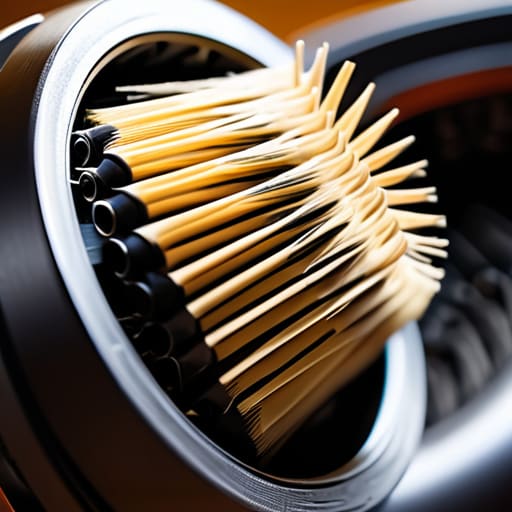
When I’m elbow-deep in a machine, I notice a pattern. People see a vacuum that’s lost its suction and immediately start looking at the replacement parts website. But more often than not, the motor is perfectly fine; it’s just struggling against the friction of a thousand tiny strands of hair. When you’re cleaning pet hair buildup, you aren’t just tidying up; you’re actually reducing the workload on the belt and the motor. If that hair gets tight enough around the ends of the roller, it creates heat, and that’s when you start seeing actual damage to the plastic housing or the drive belt.
I always tell my customers that vacuum brush bar care is less about a deep scrub and more about consistency. If you wait until the machine sounds like it’s gasping for air, the hair has already wound itself into a knot that’s a nightmare to untangle. I’ve seen enough stripped spindles to know that a bit of regular maintenance saves you a lot of money. If you can spend five minutes every few weeks cleaning roller brush tangles, you’ll likely extend the life of that machine by several years.
Key Things to Know
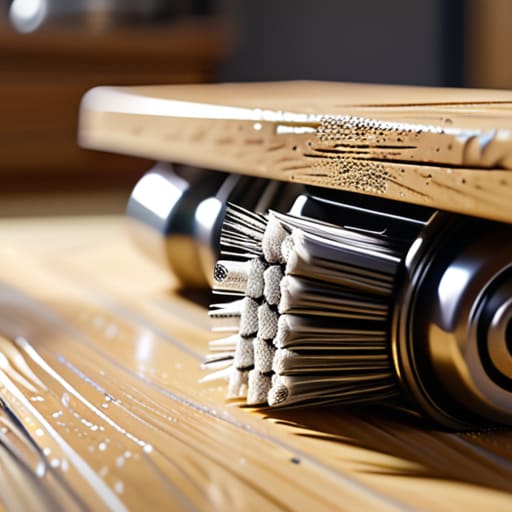
One thing people always forget is that it isn’t just about the hair itself; it’s about the debris that gets trapped inside the mechanism. When you’re cleaning pet hair buildup, you’ll often find that fine dust and grit have worked their way into the bearings at either end of the roller. If you just pull the hair off and shove it back in, that grit stays there, acting like sandpaper on the motor. I’ve seen plenty of expensive machines end up in my scrap pile simply because the owner didn’t realize a bit of sand was grinding the assembly to pieces.
When it comes to regular vacuum brush bar care, you really shouldn’t wait until the machine starts smelling like burnt rubber or losing suction. Make it a habit to check the roller once a month. While you’re in there, take a quick look at the drive belt too. If the hair is thick enough to wrap around the spindle, it puts a massive amount of strain on that belt. Preventing the tension from getting too high is much easier than trying to replace a snapped belt or a burnt-out motor later on.
A Few Bits of Wisdom Before You Start Wrenching
- Don’t go at it with kitchen scissors if you can help it; you’ll end up nicking the bristles or, worse, slicing into the belt. A pair of heavy-duty craft snips or even a seam ripper works much better for getting through those thick, matted clumps without making a mess.
- If you’ve got a vacuum that’s acting like it’s lost all its suction, don’t immediately assume the motor is shot. I’ve seen more “dead” machines that were actually just struggling because the brush bar was so weighed down by hair that it couldn’t even spin properly.
- Keep an eye on the ends of the bar where it meets the bearings. That’s where the real trouble hides. Pet hair loves to wrap itself tight around the spindle, and if you leave it there, it’ll eventually melt the plastic or seize the bearing up entirely.
- Check the belt while you’re in there. If you’re pulling out a massive bird’s nest of hair, there’s a good chance the drive belt is frayed or stretched from trying to turn through the sludge. It’s easier to swap a five-pound belt now than to deal with a machine that won’t turn on at all next week.
- Get a small screwdriver handy to pop the end caps off if your model allows it. Most people just clean the visible bits and call it a day, but the real grit and hair get tucked inside the housing where you can’t see them, and that’s what eventually kills the machine.
The Bottom Line
Most “broken” vacuums are actually just suffocating; before you go out and spend hundreds on a new motor, check the brush bar for a hair clog first.
Don’t be afraid to get your hands dirty—taking the brush bar out and clearing the debris is a ten-minute job that saves you a fortune in repair bills.
Regular maintenance is the only way to stop the hair from winding so tight around the bearings that it actually causes permanent damage.
Don't Bin It Just Yet
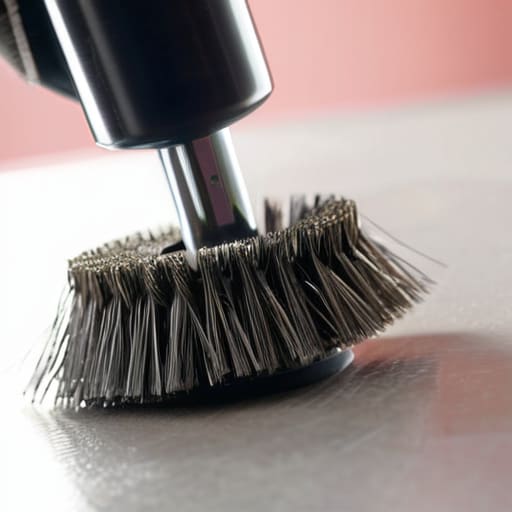
At the end of the day, cleaning out that brush bar is just basic maintenance, much like clearing the lint from a dryer filter or descaling a kettle. You’ve checked the bearings, snipped away the stubborn clumps of hair, and made sure nothing is wrapped tight enough to stall the motor. It isn’t about having a fancy, high-end machine; it’s about the fact that most vacuum failures are actually just simple blockages waiting to be cleared. If you take ten minutes once a month to give the brush a proper once-over, you’ll find that your machine runs much cooler and pulls significantly more suction than it did when it was “dying.”
I’ve spent eighteen years looking at the scrap heaps in Bristol, and it breaks my heart to see perfectly good motors sitting in a landfill just because someone couldn’t be bothered to grab a pair of scissors. A little bit of elbow grease goes a long way in extending the life of your tools. Don’t let a bit of pet hair convince you that you need to spend hundreds on a replacement. Keep your machines clean, keep them maintained, and they’ll keep serving you for years. It’s much more satisfying to fix something than it is to buy something new.
Frequently Asked Questions
Is it normal if the brush bar feels a bit loose or wobbles once I've cleared all the hair out?
It depends on the machine, but a little bit of play isn’t always a death sentence. If it’s just a tiny bit of wiggle, it’s likely just the tolerances in the plastic housing. However, if it’s wobbling like a spinning top, you’ve probably got a worn-out bearing or a perished drive belt. Check the ends of the bar for any cracks or grit that might be preventing it from sitting flush.
Do I really need to take the whole vacuum apart, or can I just snip the hair away with scissors through the casing?
Look, you can try the scissors trick through the casing, but it’s a bit like trying to perform surgery through a keyhole. You’ll miss the hair wrapped tight around the actual bearings at the ends, and that’s where the real friction happens. If you leave those clumps tucked away, you’re just asking for the belt to snap or the motor to overheat. Just pop the head off; it takes two minutes and actually gets the job done.
How often should I actually be doing this—once a week, or only when I notice the suction dropping?
If you’ve got pets, don’t wait for the suction to die. By the time you notice it’s struggling, that hair has already been braided into the bearings and is putting unnecessary strain on the motor. I’ve seen too many motors burn out simply because they were fighting a hairball. If you’ve got a dog or a cat, make it a weekly habit. It takes two minutes, but it saves you a hundred-pound repair bill later.
