









I was elbow-deep in a Bosch washing machine last Tuesday—the kind that looks sleek and modern but feels like it’s made of recycled milk cartons—when I realized the customer had been sold a lie. They thought they were getting a bargain, but they were actually just paying for a fancy digital display that’s going to fail the moment the warranty expires. People get so caught up in the sticker price that they completely miss the real distinction between value for money versus cheap junk that’s destined for the landfill. I’ve spent eighteen years pulling these machines apart, and I can tell you, the “savings” you make at the checkout usually end up costing you a fortune in repair bills and replacement parts by next Christmas.
I’m not here to sell you on high-end luxury brands that cost more than a small car, nor am I going to tell you to buy the bottom-shelf rubbish. My goal is to give you the straight talk based on what I actually see when I open up a machine’s casing. I’ll show you how to spot the build quality that matters and how to avoid those “disposable” appliances that are designed to fail.
Understanding Value for Money Versus Cheap
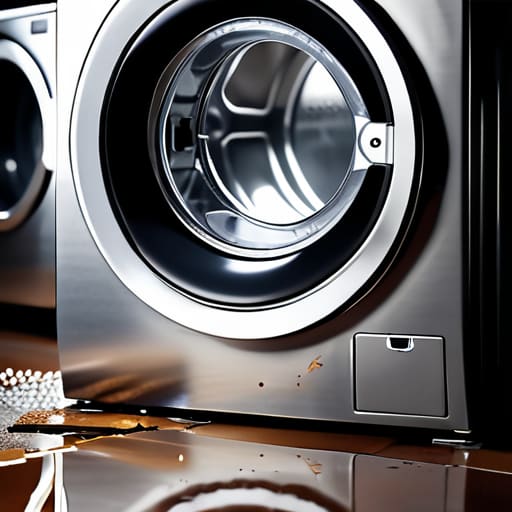
When I’m standing in someone’s kitchen looking at a washing machine that’s just given up the ghost, I’m rarely looking at the price tag they paid for it. I’m looking at what it’s costing them now. People tend to get caught up in the sticker shock of a high-end model, but they forget about the total cost of ownership. A cheap machine might save you a couple of hundred quid upfront, but if you’re calling me out every six months because a plastic pump has cracked or a sensor has fried, that “saving” has evaporated.
It really comes down to a simple quality vs price tradeoff. A well-built machine has thicker housings, better bearings, and—most importantly—parts that are actually accessible. When I see the junk coming through my door, it’s usually because the manufacturer decided to save fifty pence by using a component that can’t be replaced without a sledgehammer. You aren’t just buying a box that spins; you’re making an investment vs expense decision. If you buy the bargain bin version, you aren’t saving money—you’re just pre-paying for your next repair bill.
Key Things to Know
When you’re looking at a price tag, you’ve got to look past the number on the sticker. I’ve spent nearly two decades pulling apart machines that people swore were “dead,” only to find a bit of lint or a loose connection. The real trick is a bit of long-term cost analysis. If you buy a budget vacuum that loses suction in six months and costs fifty quid to fix, you haven’t saved anything. You’ve just paid for a piece of rubbish twice.
You also need to watch out for the hidden costs of low quality. It’s rarely the initial purchase that bites you; it’s the fact that the replacement parts for the cheap models are either non-existent or priced like gold. I always tell people to think about the total cost of ownership. A machine that costs a hundred more upfront but uses standard, replaceable filters and has accessible components is an investment. The cheap one? That’s just an expensive headache waiting to happen in your utility cupboard.
Practical Tips and Steps
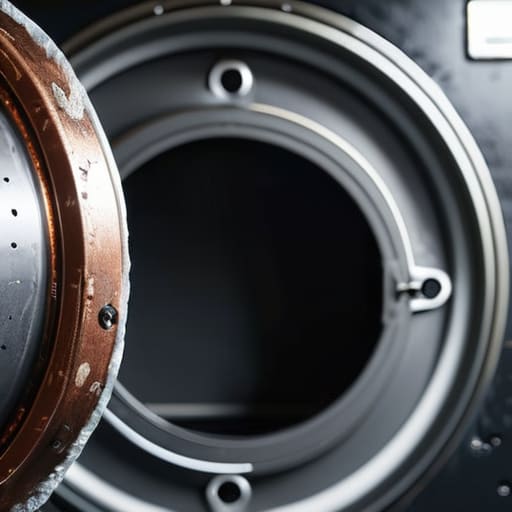
When you’re standing in the middle of a shop looking at a shiny new washing machine, don’t just look at the price tag on the shelf. You need to do a quick long-term cost analysis in your head. I’ve spent nearly two decades pulling apart machines that people swore were “dead,” only to find a single blocked pump or a snapped belt. If you buy the absolute cheapest model available, you aren’t just saving fifty quid today; you’re often signing up for the hidden costs of low quality later on. I’ve seen too many people cry when a budget drum bearings fail after just eighteen months, turning a “saving” into a total loss.
Before you tap your card, ask yourself if the machine is actually designed to be serviced. Can you get to the filter without a degree in engineering? Are the parts actually available, or is it a sealed unit that’s destined for the landfill the moment a fuse blows? Treating a good appliance as an investment vs expense is the only way to play the game. If you spend a bit more upfront for a brand that actually stocks spare parts, you’ll be much happier when you’re just doing a simple bit of maintenance instead of calling me out to replace the whole lot.
Common Mistakes to Avoid
The biggest mistake I see is people looking only at the sticker price on the shop floor. They see a washing machine for two hundred quid less than the next model and think they’ve won. They haven’t. They’ve just signed up for a headache. When you don’t do a proper long-term cost analysis, you end up paying for that “saving” three times over in replacement parts and call-out fees. I’ve seen far too many people staring at a dead drum because they tried to save a few pennies on a machine built with plastic gears instead of metal ones.
Another blunder is ignoring the hidden costs of low quality when it comes to maintenance. Cheap machines often use non-standard filters or proprietary screws that make a simple five-minute fix impossible for anyone without a specialist toolkit. If you can’t get your hands on a basic replacement part without ordering it from halfway across the world, you aren’t saving money; you’re just delaying the inevitable trip to the landfill. It’s a classic case of mistaking an investment vs expense—buying a decent machine is an investment in your sanity.
Final Thoughts
At the end of the day, I don’t care much for fancy marketing or shiny control panels that look like they belong on a spaceship. I care about what’s inside the casing. When you’re standing in the aisle looking at two different washing machines, don’t just look at the sticker price. You need to think about the total cost of ownership. A machine that costs you an extra hundred quid upfront but doesn’t need a new pump every eighteen months is the one that actually saves you money.
I’ve spent nearly two decades pulling lint, coins, and broken plastic out of machines that people thought were “dead.” Most of the time, they weren’t dead; they were just poorly built and impossible to service. If you want to practice smart consumer spending, look for brands that actually allow you to get inside them without needing a degree in engineering. Don’t let the initial savings fool you; the hidden costs of low quality usually show up exactly when you least want them to—like on a Tuesday morning when you’ve got a mountain of laundry and a puddle on your kitchen floor.
Five things I look for before I even pick up a screwdriver
- Check the access points first. If a machine is sealed shut with proprietary screws or glued-in panels, it’s not an appliance; it’s a disposable plastic box. If you can’t get to the guts without breaking the casing, walk away.
- Look at the weight of the components. A cheap washing machine feels like a toy because it’s mostly thin sheet metal and flimsy plastic. A machine that’s built to last has some heft to it—that’s the sound of actual stability and better motors.
- Ask about the parts availability. I’ve seen plenty of “bargain” vacuums end up in my scrap pile because the manufacturer decided to stop making the specific little plastic clip that holds the motor in place. If you can’t buy a spare part for under twenty quid, it’s not a bargain.
- Don’t be fooled by the shiny control panel. A touchscreen on a dishwasher is just one more expensive bit of electronics that’ll fry the moment a bit of steam gets behind it. I’d much rather see a solid, tactile dial that I can actually replace if it snaps.
- Inspect the filters and hoses. If the filter is a tiny, complicated mess that requires a specialized tool to clean, it’s designed to clog and be replaced. A machine with a simple, accessible filter is a machine that actually wants to stay in your kitchen.
The Bottom Line
Don’t let a low price tag fool you; if a machine is built with plastic gears where there should be metal, you’re just paying for the privilege of replacing it in two years.
Real value isn’t just the sticker price, it’s how easy it is to get your hands inside to clear a blockage or swap a part without needing a specialist degree.
Before you buy, check if the brand actually stocks spares—there’s no point in owning a “bargain” if you can’t find a five-pound filter to keep it running.
The Bottom Line
At the end of the day, it all comes down to what’s happening inside the casing. You can save a few quid upfront by grabbing the cheapest model on the shelf, but I can almost guarantee you’ll be seeing me—or someone like me—within eighteen months when a plastic clip snaps or a motor burns out from poor build quality. Real value isn’t about the sticker price; it’s about buying something that actually does its job without needing a constant stream of replacement parts. If you take the time to check the build materials, look for accessible filters, and avoid the “disposable” brands, you’re going to save yourself a massive headache and a lot of wasted money in the long run.
I’ve spent nearly two decades pulling junk out of people’s kitchens, and most of it could have been avoided with a bit of foresight. Don’t let a shiny showroom floor fool you into thinking a low price tag equals a good deal. Instead, aim for something built to be maintained, not just replaced. There is a real, quiet satisfaction in owning a machine that still hums along perfectly a decade after you bought it. Stop looking for the bargain and start looking for the workhorse; your wallet, and your sanity, will certainly thank you for it.
Frequently Asked Questions
If I find a machine that's half the price of a decent one, is it actually worth the risk of it dying in two years?
If it’s half the price, you aren’t just saving money; you’re pre-paying for the repairman. I’ve seen it a thousand times: a “bargain” washing machine that uses glued-in bearings instead of serviceable ones. When those go, you can’t fix them; you just bin the whole thing. If you can’t take it apart to clean the filter or swap a part, it’s not a deal—it’s just expensive rubbish waiting to happen.
Are there specific brands I should be looking for that actually use replaceable parts instead of just gluing everything shut?
Look, I can’t give you a magic brand name because even the good ones are getting sneakier with their plastic clips. But if you want to avoid the “glued shut” nightmare, look for machines with accessible service panels. Miele and Bosch usually play ball with screws and modular parts, but always check if the motor or pump is bolted in or just snapped into a plastic housing. If it looks like a puzzle box, walk away.
How can I tell if a "sale" price is actually a bargain or if they've just marked up the original price to make it look like a steal?
Look, I’ve seen enough “half-price” washing machines to know the game. If you want to spot a real bargain, stop looking at the red sticker and start looking at the model number. Retailers love hiking the price on an old model just to “slash” it when a new one comes out. Check a few different sites or use a price tracker. If the “sale” price is what it was selling for last month, it isn’t a steal.
