







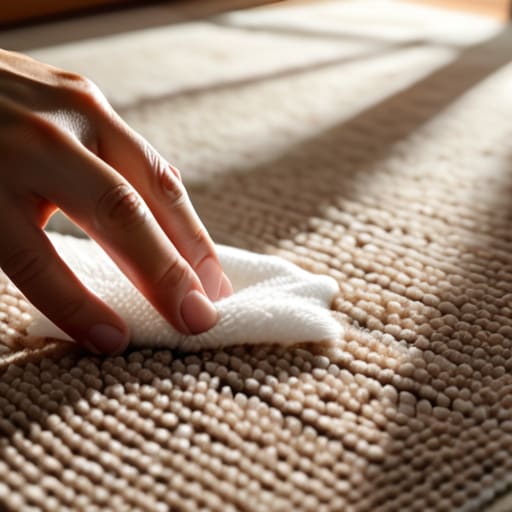

I’ve spent eighteen years pulling motors out of washing machines and unblocking hoses that people swore were dead, and if there is one thing I’ve learned, it’s that most people make their problems worse by trying too hard. You see it all the time: someone spills a bit of red wine or gravy and immediately starts scrubbing like they’re trying to polish a floor, only to end up with a permanent, fuzzy patch of ruined fibers. If you want to know how to clean a carpet stain properly, you have to stop treating it like a battlefield and start treating it like a delicate mechanical process. Most of the time, the damage isn’t from the spill itself, but from the frantic, messy way you try to fix it.
I’m not going to give you a list of fancy, expensive chemicals that promise miracles but mostly just leave a sticky residue for more dirt to cling to. Instead, I’m going to show you the no-nonsense way to tackle a mess using what you’ve likely already got under the sink. We’ll talk about the right pressure, the right tools, and why blotting is your best friend while scrubbing is your worst enemy. Let’s get stuck in.
Guide Overview
Tools & Supplies
- White microfiber cloths or paper towels for blotting
- Soft-bristled brush or old toothbrush for agitation
- Spoon or dull knife for scraping solids
- Warm water (approx. 1-2 cups)
- Mild dish soap or specialized carpet cleaner (approx. 1 tablespoon)
- White vinegar (approx. 1/4 cup for neutralizing)
Step-by-Step Instructions
- 1. First things first, grab some clean paper towels or a thick white cloth. Whatever you do, do not scrub like you’re trying to polish a floor. If you start rubbing in circles, you’re just pushing the liquid deeper into the carpet pile and spreading the mess to the surrounding fibers. Just press down firmly to soak up as much as you can.
- 2. Once you’ve blotted up the excess, you need a cleaning solution that won’t ruin the backing. I’ve seen enough people use harsh bleach or heavy detergents that end up stripping the color right out of the carpet. A simple mix of a few drops of mild dish soap and some lukewarm water usually does the trick without causing a chemical reaction.
- 3. Apply your mixture sparingly. I don’t want you pouring a whole bowl of suds onto the floor; you’ll just end up with a damp patch that takes three days to dry and starts smelling like a wet dog. Use a clean cloth to dab the solution onto the stain, working from the outside edges toward the center. This keeps the stain from creeping outward.
- 4. Let it sit for a few minutes, but don’t let it dry completely. You want the solution to actually break down whatever it is you’ve spilled—whether it’s coffee or something worse. If you let it dry into a crust, you’re going to have a much harder time getting it out later.
- 5. Now, do another round of blotting with a fresh, dry towel. You’re trying to pull that soapy water back up out of the fibers. Keep switching to clean sections of the towel so you aren’t just moving the dirt around. If the stain is stubborn, you might have to repeat this bit a couple of times, but patience is key here.
- 6. Rinse the area with a little bit of plain, cold water. People often forget this part, and that’s why their carpets feel crunchy or sticky once they’re dry. That stickiness is just leftover soap, and it’ll act like a magnet for dust, meaning the stain will actually look darker in a month’s time.
- 7. Finally, get some weight on it to dry it out properly. Put a stack of paper towels over the damp spot and set something heavy on top, like a couple of thick books. This helps draw the remaining moisture up and out of the carpet. Leave it alone for a few hours; trying to walk on it while it’s still damp is a guaranteed way to ruin your hard work.
Understanding How to Clean a Carpet Stain Properly
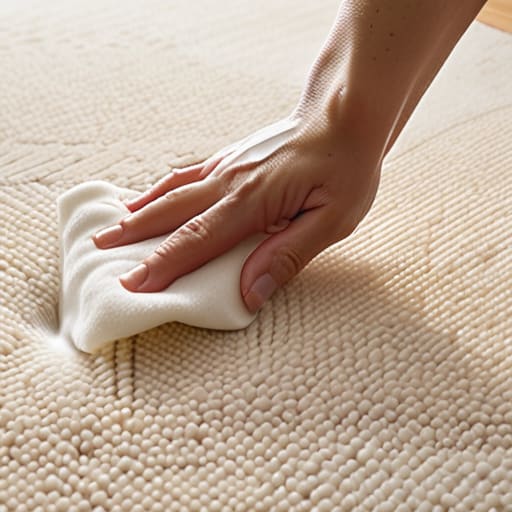
The thing about most people is that they see a spill and immediately go for the heavy-duty scrubbing. Stop right there. If you start rubbing a stain like you’re trying to polish a piece of cast iron, you aren’t cleaning it; you’re just driving the liquid deeper into the backing. The best way to blot liquid spills is to use a clean, white cloth and press straight down. You want to soak up the moisture, not spread the mess. I’ve seen enough ruined fibers to know that once you fray those threads with aggressive scrubbing, no amount of expensive spray is going to bring them back to life.
If you’re dealing with something more difficult, like a dog having an accident, don’t just throw any old soap at it. You really need specific carpet cleaning solutions for pet accidents that break down the enzymes, otherwise, the smell will just linger in the padding. If you’re trying to keep things simple, a basic homemade carpet cleaning mixture of vinegar and water works wonders for most things, provided you test a small corner first. It’s all about preventing carpet discoloration before you even start the heavy lifting.
Key Things to Know
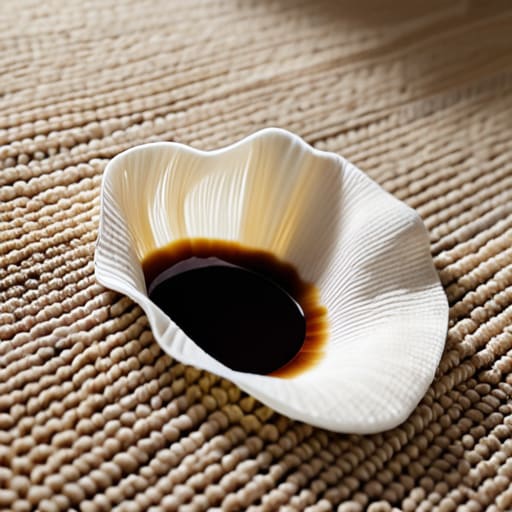
First thing you need to understand is that time is your biggest enemy. If you’re dealing with a spill, the best way to blot liquid spills is to use a clean, white cloth—never rub, or you’ll just grind the grit deeper into the pile. I’ve seen plenty of people try to scrub a spot out of panic, only to end up with a fuzzy, ruined patch that looks worse than the original mess. If you’re dealing with something more serious, like a dog’s mishap, make sure you’re using specific carpet cleaning solutions for pet accidents rather than just any old soap. Standard detergents can leave a residue that actually attracts more dirt later on.
Another thing I always tell people is to test your cleaning agent on a tiny, hidden corner first. Whether you’re using a store-bought bottle or a homemade carpet cleaning mixture, you have to be careful about preventing carpet discoloration. Some of those DIY vinegar tricks are fine, but if you leave them sitting too long on certain synthetic fibers, you might find yourself with a permanent light spot. It’s much easier to spend five minutes testing a patch than it is to replace a whole rug.
A Few Things I’ve Learned From Seeing Ruined Carpets
- Stop the scrubbing. I can’t tell you how many times I’ve seen someone go at a spot with a stiff brush like they’re trying to scrub a floor, only to end up fraying the pile until it looks like a patch of dead grass. Blot, don’t brush.
- Watch your heat. If you’re using a steam cleaner, don’t just sit it there on one spot. You’ll bake the stain right into the backing, and once that happens, you aren’t cleaning it—you’re just making it permanent.
- Test your chemicals in the corner. I’ve seen people pour expensive cleaners all over a rug only to realize they’ve bleached the color out of it. Find a spot tucked under the sofa first; if it changes the color there, don’t touch the main area.
- Don’t over-saturate the padding. If you pour a bucket of soapy water into the carpet, you’re just inviting mould to grow underneath. You want to treat the surface, not turn your living room floor into a swamp.
- Work from the outside in. It sounds simple, but if you start right in the middle of the mess, you’re just spreading the stain outward in a wider circle. Start at the edges and work your way to the centre to keep the damage contained.
The Bottom Line
Don’t go overboard with the water; if you soak the backing, you’re just inviting mould to move in where you can’t reach it.
Test every cleaner on a hidden corner first, because I’ve seen far too many people accidentally bleach their rugs while trying to fix a tiny spill.
Patience beats scrubbing every single time; if you go at it with too much elbow grease, you’ll just fray the fibres and make the mess look permanent.
A Bit of Common Sense Goes a Long Way
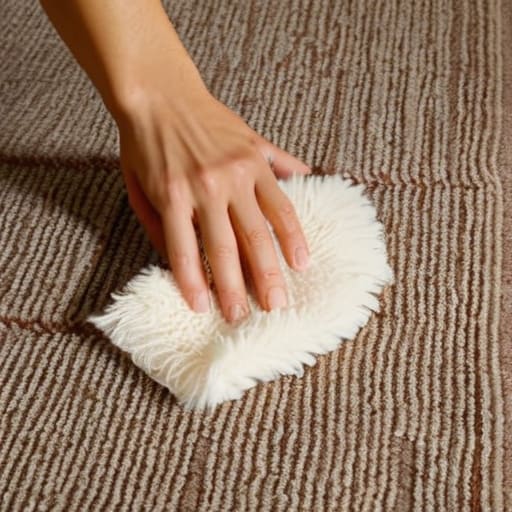
At the end of the day, cleaning a stain isn’t about finding some magic, expensive chemical that promises the world; it’s about having the patience to do it right. Remember to blot, not scrub, and for heaven’s sake, don’t drown the carpet in soapy water like you’re trying to wash the dishes. If you keep your movements controlled and your solutions mild, you’ll avoid the two biggest mistakes I see: spreading the mess further or pulling the backing right off the floor. It’s a simple matter of being methodical and respecting the material you’re working with.
I’ve spent eighteen years pulling junk out of people’s homes, and most of the time, they’re throwing things away that just needed a bit of attention and a little bit of care. The same goes for your home. You don’t need to replace the whole carpet just because life happened and a bit of spilled tea or mud made its way into the fibers. If you treat your belongings with a bit of respect, they’ll last you a lifetime. Take your time, do the job properly, and you’ll find that most things are far more resilient than we give them credit for.
Frequently Asked Questions
Is it actually worth buying one of those heavy carpet cleaning machines, or am I just wasting money on something that'll sit in the cupboard?
Look, I’ve spent eighteen years pulling lint and grit out of motors, and I’ll tell you this: most of those machines end up as expensive paperweights in a cupboard. If you’ve got one-off spills, don’t bother. But if you’ve got kids, dogs, or a house that actually sees some life, a decent machine is worth the floor space. Just make sure you actually clean the filters afterward, or you’ll burn the motor out in a month.
Can I use my regular household bleach on a stubborn mark, or am I going to end up with a permanent bald patch in my rug?
Don’t even think about it. You’ll end up with a permanent, bright white bald patch that’ll make the stain look like a minor inconvenience. Bleach doesn’t just lift dirt; it eats the color right out of the fibers. I’ve seen enough ruined rugs to know that once you’ve stripped the dye, there’s no fixing it. Stick to a dedicated stain remover or a bit of white vinegar instead. It’s much safer for the fabric.
What do I do if I've already scrubbed at the stain and it seems to be getting bigger instead of disappearing?
Stop. Put the brush down and step away from the carpet. You’ve likely just pushed the pigment deeper into the fibers or, worse, started spreading the liquid outward, creating a larger ring. If you keep scrubbing, you’re just making a bigger mess. Take a clean, dry towel and press down hard—don’t rub—to soak up what you can. Once it’s stopped spreading, we can talk about a proper extraction.
